The logic seems straightforward enough: when filling up costs a fortune, drivers start doing sums on an electric car. Polling in the United States backs that up, with 57% of American drivers saying high petrol prices have made them more interested in going electric. Yet the sales figures tell a completely different story. Interest is rising, fuel is expensive, and EV adoption has simply stopped climbing.
That gap between what drivers say and what they buy is one of the more curious stories in the car market right now, and it says a lot about how policy, pricing and plain old habit shape the cars people actually end up parking outside their homes.
The American EV Market Has Hit a Wall
Battery electric vehicles and plug-in hybrids have been credible everyday cars for roughly 16 years, ever since the Nissan Leaf and Chevrolet Volt arrived. By most measures the modern EV is now a better thing to drive than its petrol or diesel equivalent, and many plug-in hybrids are arguably the pick of their segment.
For a while, sales followed that progress. Then President Donald Trump scrapped federal incentives and rebates, and adoption flatlined. Today fewer than 10% of new vehicles sold in the United States are electric (a figure that covers battery electrics, and which has hovered at that level through the past year). In China the figure is around 60%, and in Europe it sits at 23.2% across the first three quarters of the year. Those numbers aren’t a rounding error. They describe three different worlds.
The global picture is shifting quickly in other ways too. As AutoPulse reported recently, petrol cars slipped below half of global sales for the first time in a century, a milestone that would have seemed absurd a decade ago. The US, though, is drifting in the opposite direction.
Why the US Is Falling Behind China and Europe
The comparison with China and Europe is uncomfortable but hard to argue with. China has built its lead on cheap domestic models, aggressive industrial policy and a charging network that has grown alongside the cars. Europe has leaned on emissions rules, purchase incentives and increasingly strict fleet targets.
The US has done the opposite at federal level. Removing the rebates didn’t just take money off the table, it removed the signal that going electric was a national priority. Buyers respond to certainty, and the message now is mixed at best.
There’s also a trade dimension bubbling away. Washington has been steadily fencing off Chinese-made EVs and their software through tariffs and import restrictions, a reminder that the cheap electric cars which could theoretically broaden the US market are being kept out by trade policy, not welcomed in. Affordable electric cars are the single biggest lever for adoption, and they are getting harder to import in the West, not easier.
The Iran Conflict and the Fuel Price Shock
In the US, petrol prices have been, to borrow the phrasing, exploding in 2026. The cause is the ongoing war in Iran, which has disrupted oil pipelines, refineries and shipping routes. One US journalist reported paying $8 a gallon for diesel in California on a recent road trip, with fill-ups running into triple digits.
That is a genuine shock to household budgets, and it is exactly the kind of shock that historically nudges buyers towards efficiency. The expectation was that this would be the moment EVs finally broke through. It hasn’t happened, and the reasons are less mysterious than they look.
State Tax Cuts and Red Diesel: A Sticking Plaster
States have responded to the price spike in predictable fashion, cutting fuel taxes and in some cases allowing red diesel in road vehicles. Texas went further than most, according to a separate AutoPulse report: Texas declared diesel a “statewide disaster” and Abbott suspended dyed fuel rules as prices hit $6.43 a gallon.
These measures ease the immediate pain, but they don’t change the underlying maths. In many states prices have stayed flat or kept climbing regardless. More importantly, tax holidays reinforce the idea that the answer to expensive fuel is cheaper fuel, rather than fewer gallons burned. It’s a short-term fix that quietly undermines the case for switching.
The Used EV Is the Real Opportunity
Here’s where the story gets more interesting, because the barrier to EV ownership in the US isn’t really desire. It’s price. New EVs remain expensive, and without federal support the monthly figures are hard to justify for many households.
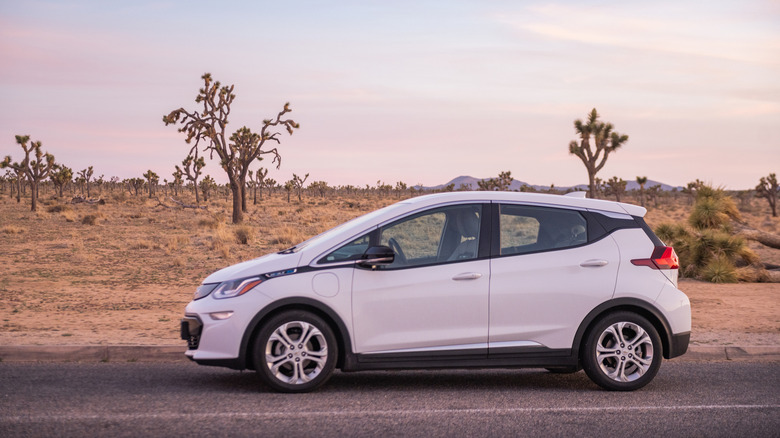
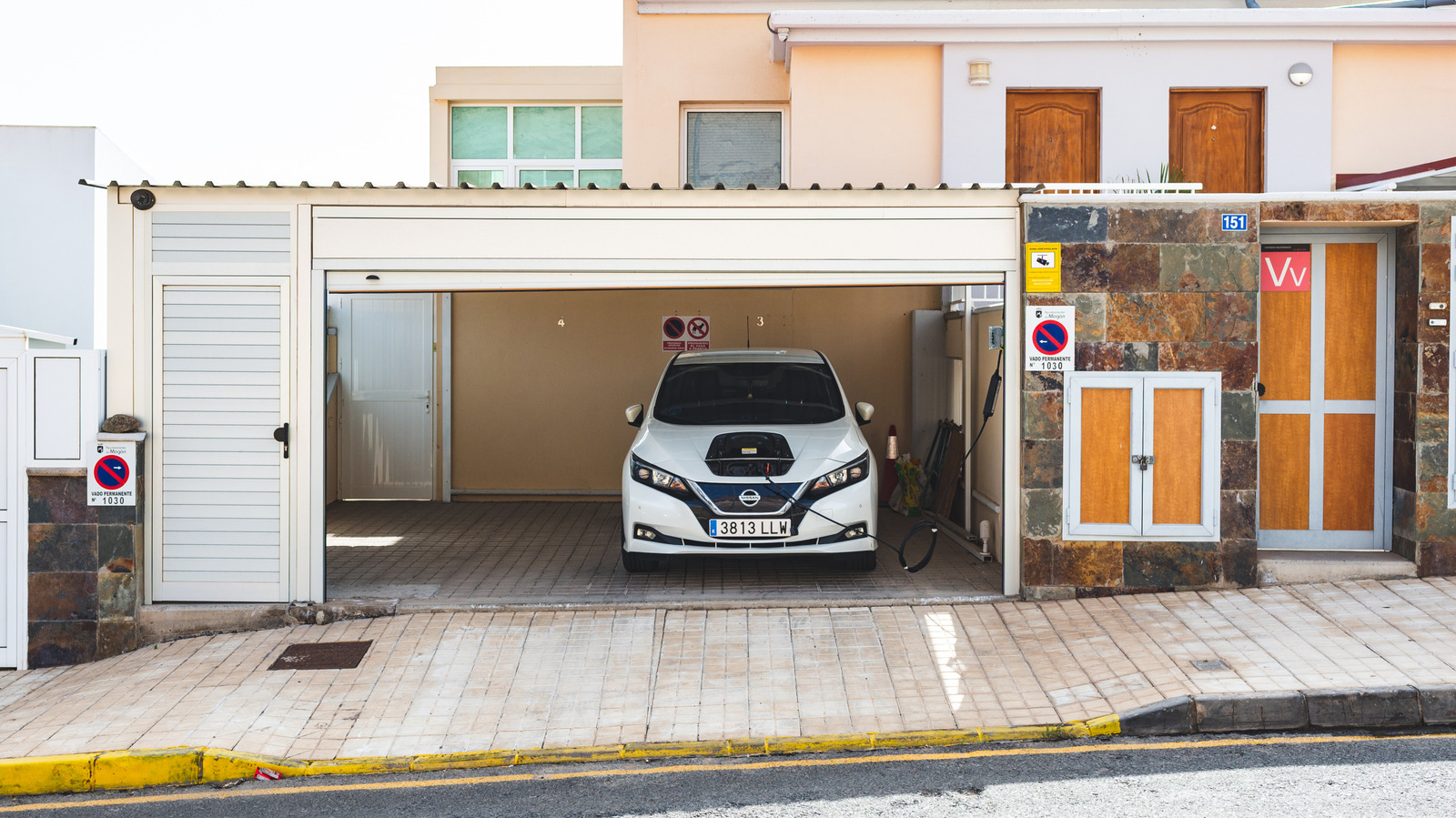
The used market tells a different story. Depreciation has done the heavy lifting that incentives used to do. Early short-range models such as the Nissan Leaf now change hands for modest money, and a used Chevrolet Bolt, a car with well over 200 miles of range, can cost a fraction of its original list price. For anyone doing a predictable daily commute, a second-hand electric car now makes straightforward financial sense, and rising fuel costs only sharpen the arithmetic.
That’s the pattern worth watching. There has arguably never been a more accessible moment to put a used EV on the driveway as a daily driver.
The Hybrid Middle Ground
The other reason EV sales have stalled is that buyers aren’t going back to thirsty petrol cars. They’re buying non-plug-in hybrids, which are selling strongly even as plug-in adoption stays low.
It’s easy to see why. A conventional hybrid needs no charging infrastructure, no change of routine and no leap of faith. It simply returns better fuel economy, which is precisely what a driver facing $6 diesel wants. For a lot of American households, that’s the whole brief.
The catch is that hybrids lock in petrol dependency for another decade. They’re a sensible bridge, but they’re also a comfortable place to stop, and plenty of buyers are happily stopping there.
What Has to Change Before EVs Gain Real Traction
The honest version of EV ownership is more nuanced than either camp admits. Plugging in at home, waking up to a full battery and skipping forecourts entirely is a genuinely superior way to run a car. But long family trips still tend to involve a petrol or diesel car, simply because the charging network doesn’t yet make every route painless. The frustration isn’t the vehicles. It’s the infrastructure and the inconsistency of policy around them.
It’s also worth remembering how much of this is structural. Decades of underinvestment in public transport created car dependency in much of the US, and you can’t unpick that with a rebate or a tax cut. The car isn’t optional for most people, which makes the cost of running one a political question as much as a personal one.
Three things stand between the US and meaningful EV adoption. The first is price, and the used market is already solving that faster than any policy. The second is charging, which needs to be boringly reliable before mainstream buyers will commit. The third is consistency, because a market can’t scale on incentives that appear and vanish with each administration.
High fuel prices alone were never going to do it. They raise interest, as the polling shows, but interest isn’t a purchase. Until an electric car is the obvious financial and practical choice for an ordinary household, expensive petrol will keep sending buyers to hybrids rather than to plugs.
The irony is that the solution is sitting on used forecourts right now, depreciated, proven and cheaper than ever. The question is whether American drivers will look past the showroom and the politics long enough to notice.