Genesis has spent years building a range of polished, petrol- and diesel-powered luxury SUVs, and now the brand is finally taking the electrified plunge. The GV80 Hybrid is the company’s first-ever hybrid, and rather than simply bolting batteries onto the existing three-row family hauler, Genesis has made a deliberate trade: it has dropped a row of seats in exchange for a punchier, more efficient powertrain. The result is a two-row, five-seat luxury SUV with 347bhp, a cabin dripping in upscale materials, and a specification list that reads more like a flagship saloon than a mid-size 4×4.
Genesis goes hybrid: what the GV80 Hybrid is and why it matters
The GV80 Hybrid is a new variant of Genesis’s established luxury SUV, arriving for the 2028 model year in the US. It is the brand’s first hybrid model, which makes it a significant milestone for a manufacturer that has until now relied solely on combustion power. The three-row GV80 has been a fixture in the luxury SUV segment for several years, so adding an electrified option is a natural next step rather than a radical reinvention.
What makes the hybrid interesting is the packaging decision behind it. The standard GV80 comes with three rows of seats as standard. The hybrid does not. A third row is simply not available on the GV80 Hybrid, a curious move for a family-focused SUV, but one that Genesis presumably made to accommodate the battery pack and electric motors without compromising the sleek exterior proportions. Instead of seven seats, buyers get five, but they also get a more powerful and more efficient drivetrain. It is a trade-off that puts the GV80 Hybrid into the growing mid-size luxury SUV hybrid segment, where it will line up against the Porsche Cayenne E-Hybrid, Mercedes-Benz GLE450e and Volvo XC90 T8, though those three are plug-in hybrids and the Genesis is not, so the comparison is not quite like-for-like.
Powertrain breakdown: turbo four plus two electric motors
Under the bonnet, the GV80 Hybrid pairs a turbocharged four-cylinder engine with two electric motors for a combined output of 347bhp. That is a meaningful step up from the standard model’s combustion-only options, and Genesis claims the setup should deliver perky performance alongside good fuel economy, although no official figures have been released yet.
Power is sent to either the rear wheels or all four via a seven-speed automatic transmission. The most unusual detail is that the gearbox has no reverse gear at all. Instead, the electric motors handle reversing, which saves weight and complexity. It is the kind of engineering decision that only makes sense in a hybrid, and it shows Genesis is thinking carefully about how the electrified components can do more than just assist the engine. For a brand that has built its reputation on smooth, refined drivetrains, the switch to a motor-driven reverse should be seamless in practice.
Two rows only: the hybrid loses a third row
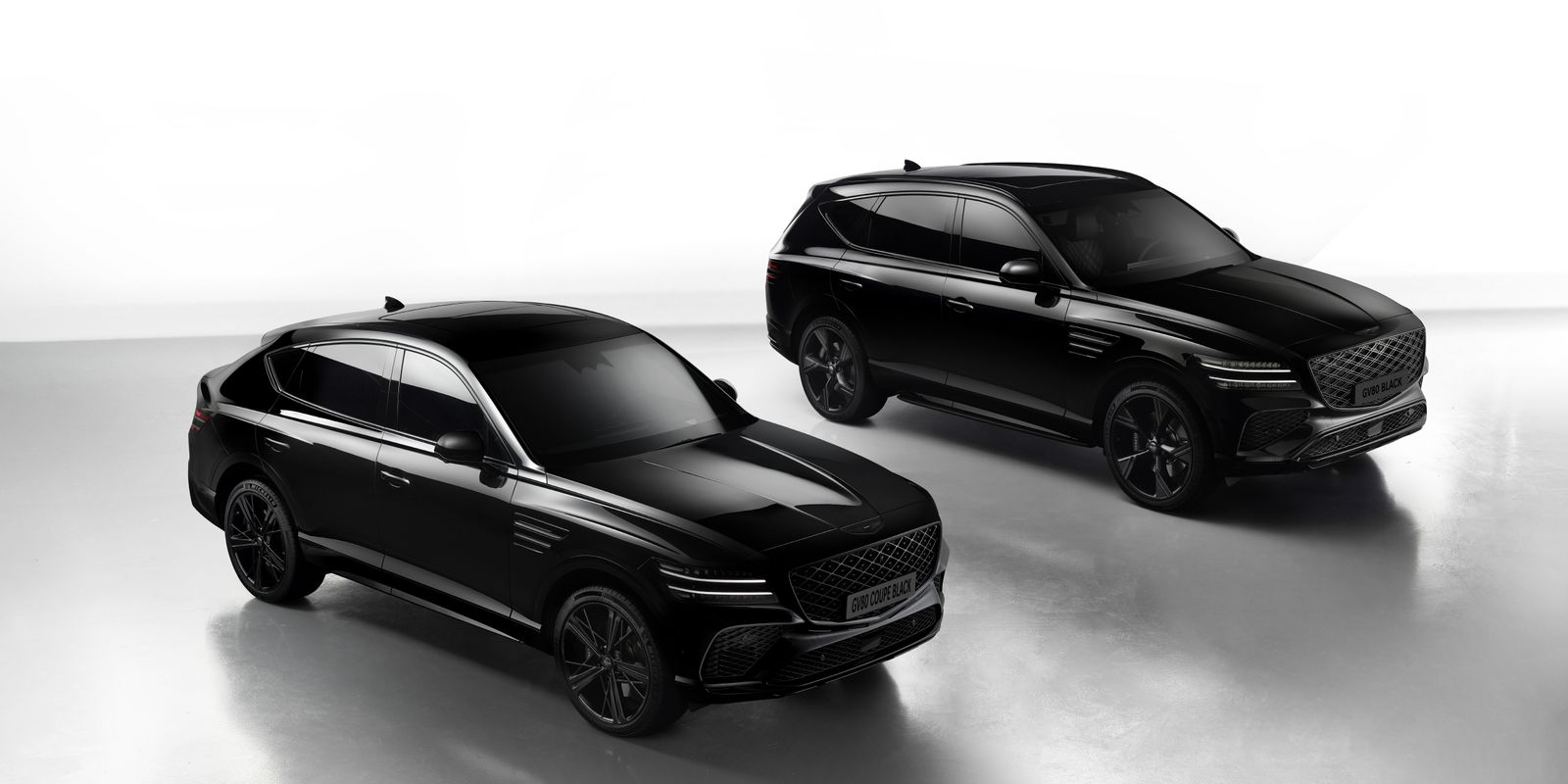
The headline compromise is the seating layout. Where the regular GV80 offers three rows, the hybrid is strictly a two-row, five-seat proposition. For buyers who regularly carry more than five people, that is a dealbreaker. Genesis has not confirmed whether the two-row Coupe body style will also be offered as a hybrid, so the electrified lineup currently amounts to a single five-seat SUV.
Whether the missing third row matters depends entirely on how you use an SUV. For a couple or a small family, the second row is generous enough, and the trade-off in efficiency and power is likely worth it. For anyone who needs seven seats, the standard GV80 remains the obvious choice. It is a rare case of a hybrid variant being less practical than the car it is based on.
Design tweaks: how to spot the hybrid
Genesis has not simply dropped the new powertrain into the existing body and called it a day. The GV80 Hybrid gets a unique grille and bespoke wheel designs to set it apart from the petrol and diesel models. These are subtle changes rather than a full redesign, but they give the electrified variant its own visual identity, which matters in a segment where badge snobbery is real and buyers like their cars to look like the expensive one.
The overall shape remains unmistakably GV80, which is no bad thing. It is a handsome, upright SUV with a strong road presence, and the hybrid-specific detailing adds a touch of modernity without shouting about its electrified status. If you want to announce that you have gone hybrid, the unique grille does the job quietly.
Inside the cabin: 27-inch OLED and a mood curator
The interior is where the GV80 Hybrid really makes its case. Genesis has finished the cabin in top-grade materials, with burled wood trim and metal brightwork appearing even on lower trims. That is a rarity in a market where entry-level models often feel like penalty boxes, and it gives the hybrid a genuinely premium feel from the moment you open the door.
The centrepiece is a 27-inch OLED display that combines the infotainment screen and gauge cluster into a single wide panel atop the dashboard. It is a clean, modern layout that reduces clutter and gives the cabin a tech-forward look. The brand’s “mood curator” is also along for the ride, adjusting cabin lighting, sound and scent to match a selected mood. It is a slightly gimmicky feature, but one that fits the luxury brief and gives passengers something to play with on a long journey.
The front seats are comfortable and supportive, and the driver’s seat is available with a massage function for those longer motorway runs. The second row is a three-across bench with plentiful legroom on all trims, so even the middle passenger has room to stretch out. Cargo space is likely to be a little tighter than the standard GV80, though Genesis has not published hybrid cargo figures.
Standard kit across the range
Genesis has not been shy with the standard equipment list. Every GV80, hybrid included, comes with wireless smartphone charging, a Wi-Fi hotspot, and wireless Android Auto and Apple CarPlay. That is a strong baseline, and it means buyers do not have to tick boxes to get the connectivity features they expect. In a segment where options lists can run to thousands of pounds, a generous standard specification is a genuine differentiator.
The same goes for the safety suite. Blind-spot monitoring, front and rear parking sensors, lane-keeping assist, and adaptive cruise control with a hands-free driving mode are all fitted as standard on every GV80. The hands-free cruise is particularly useful on a long motorway slog, and it puts the Genesis on a par with established rivals from Germany and Sweden. Crash-test results are available from the NHTSA and IIHS in the US.
Ownership: valet service and a strong warranty
Genesis has built a reputation for looking after its customers, and the GV80 Hybrid continues that theme. The brand offers a strong warranty plus complimentary scheduled maintenance, though the exact terms for this model have not been confirmed. More unusually, a valet service will pick up and drop off the vehicle for maintenance and provide a loaner Genesis in the meantime. That is the kind of white-glove treatment that luxury buyers expect, and it takes the hassle out of servicing in a way that many rivals do not match.
For buyers cross-shopping the GV80 Hybrid against a Cayenne E-Hybrid or an XC90 T8, the ownership package could be a genuine deciding factor. Running a luxury SUV is about more than the monthly payment, and Genesis is clearly aware of that.
Rivals and what we still don’t know
The GV80 Hybrid arrives into a crowded and competitive segment. The Porsche Cayenne E-Hybrid, Mercedes-Benz GLE450e and Volvo XC90 T8 are all established plug-in hybrid luxury SUVs with strong brand loyalty and, in some cases, more powerful electrified drivetrains. Genesis is the newcomer here, and it will need to lean on its generous standard kit, distinctive design and ownership package to win buyers over.
There is also the small matter of what we do not yet know. Genesis has not released pricing, fuel-economy figures or an on-sale date for the GV80 Hybrid, and the launch details confirmed so far apply to the US market. That leaves a lot of questions unanswered, particularly for buyers who want to know how much the electrified variant will cost compared with the standard model.
For those who like their off-roaders electrified, the market is certainly moving in that direction. The 2027 Subaru Forester Wilderness Hybrid: Tougher Off-Roader Gains Electric Assist shows how electrification is spreading across segments.
The GV80 Hybrid is a sensible, well-executed first step into electrification for Genesis. It loses a row of seats, but it gains power, efficiency and a cabin that feels genuinely special. Whether it can tempt buyers away from the established German and Swedish competition will depend on the price, the economy figures and when the full details are confirmed. On the evidence so far, it deserves a place on any luxury SUV shortlist.