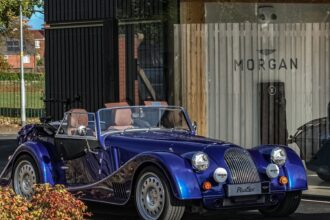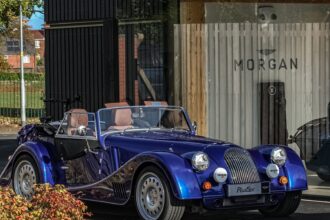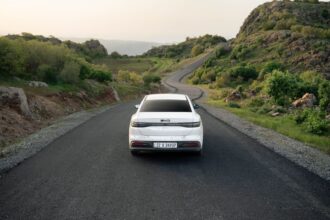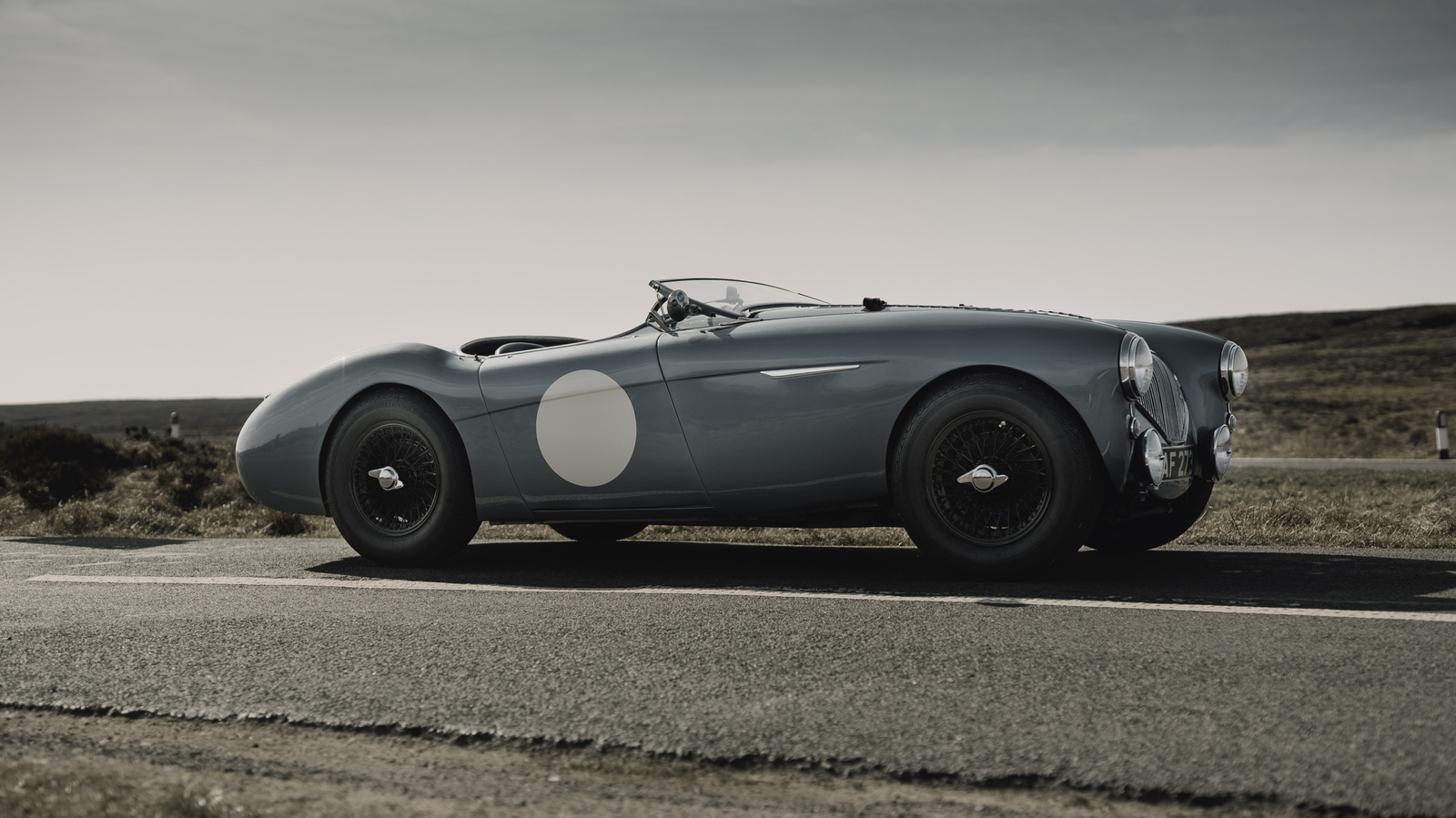
Every measurable thing about a modern car is better. It is quicker, safer and far more efficient, with convenience features and fuel economy a 1970s machine could not dream of. And yet a growing number of enthusiasts choose to spend their weekends and their savings on cars that are, by any objective standard, worse.
This is not nostalgia for its own sake. It is something stranger and more interesting: an emotional and sensory preference for analogue motoring that no amount of touchscreen real estate can fully satisfy. The danger is part of it, but it is not the driving force. The real pull is novelty, intensity, connection and a certain stubborn pride in going your own way.
The Safety Gap Is Real, and It Is Large
Let us start with the uncomfortable fact. Older cars simply do not have the safety systems, crash structures and airbags that are now mandatory on new vehicles. That is not a romantic observation; it is a structural one. A car designed before crumple zones were standardised is a fundamentally different proposition in a collision.
The numbers back this up. A US Department of Transportation study found that crashes in vehicles over 20 years old were about 80% more likely to be fatal than similar crashes in new vehicles. That figure applies to the American market, where the study was conducted, but the principle is not confined to it: mass, geometry and the absence of modern restraint systems all matter.
It is worth remembering that even modern safety is not evenly distributed. Our recent coverage of the Volvo study on crash protection and body types showed that equal protection is not yet a given even in new cars. Safety is a spectrum, not a switch, and old cars sit firmly at one end of it.
Sensation Seeking: Why Risk Is Part of the Appeal
So why do people do it? The psychologist Marvin Zuckerman offers the most useful framework. He defined sensation seeking as “a personality trait defined by the search for experiences and feelings that are varied, novel, complex, and intense, and by the readiness to take physical, social, legal, and financial risks for the sake of such experiences.”
Read that definition carefully and the old-car appeal starts to make sense. The danger is not the point in itself. It is a by-product of the novelty and intensity that old cars deliver in abundance. Driving something with no traction control, no adaptive dampers and a brake pedal that requires planning is an intense experience. It demands attention in a way that a modern commute does not. The risk, physical and sometimes financial, is part of the package, but it is the intensity that enthusiasts are chasing.
That distinction matters. Framing old-car ownership as thrill-seeking for its own sake misses the point. It is closer to the difference between riding a rollercoaster and walking a tightrope. One is engineered fun; the other is a skill you have to earn.
The Analogue Connection
Ask anyone who drives an older car regularly and you will hear a similar vocabulary. Enthusiasts describe a level of connectedness, an “airy laissez-faire flow,” that has not been available in new cars for at least 30 years. That phrase is not marketing copy. It describes the feedback loop between driver, machine and road that has been steadily filtered out of modern vehicles in the name of refinement and safety.
There is also an emotional and artistic quality to an analogue machine that is hard to quantify but easy to recognise. A carburettor, a manual choke, a set of dials that move with actual mechanical linkage: these are things you can understand by looking at them. The appeal is not that they are better. It is that they are legible.
This is part of a wider pattern. The assumption that young people have abandoned car culture has been repeatedly overstated, as our piece on Gen Z and the cost of car culture argues. What looks like disinterest is often just a different set of constraints and priorities. The desire for connection to a machine has not gone away; the route to it has changed.
Non-Conformity and Pride
There is a quiet social dimension to all this. Buying a new car on finance is easy. You choose a colour, sign a document and drive away. Finding, fixing and maintaining an older car takes knowledge, effort and a willingness to get your hands dirty. That effort is precisely what makes the result feel earned.
Ownership becomes a statement of non-conformity, not in a loud or performative way, but in the daily choice to drive something that requires you to pay attention. The pride comes from competence. Knowing how to diagnose a misfire, source a part or manage a temperamental starter motor is a skill set that modern car ownership has largely made redundant.
There is a practical backdrop to this too. Running an older car is not getting cheaper, and policy decisions matter. Our analysis of the Budget 2026 fuel duty freeze and what it means for classic car owners sets out the modest but real difference that a 5p per litre cut makes to the cost of a fill-up. For enthusiasts, those small margins are part of the calculation.
Community and Identity
The final piece is belonging. Car clubs, ownership groups and web forums do more than share technical advice; they shape identity. A family preference for old Mustangs, passed down from a father, is not just a taste in cars. It is an inheritance. The same pull shows up at marque-specific events, where a model you had barely considered suddenly becomes a social calendar and, eventually, a purchase.
Then there is the non-verbal validation. Drive an old car and you will notice it: a nod, a flash of headlights, a raised hand from another old-car driver. Nothing is said, but everything is communicated. It is a shared passion and a sense of belonging to a group that has chosen the harder, more interesting path.
The Verdict: An Emotional Choice, Not a Rational One
Old cars are not a rational choice. They are slower, thirstier, less safe and more demanding than their modern equivalents. Anyone who drives a car over 20 years old should understand exactly what they are taking on.
But rationality was never the point. The appeal of analogue motoring is emotional and sensory. It is the intensity of a machine that asks something of you, the connection that comes from understanding how it works, the pride of keeping it running and the community that forms around it. That is a preference argument, not a proven one, and it will not convince everyone. The danger is part of the texture, not the reason. For those who feel it, some experiences are worth the effort, and some machines are worth the attention. That is precisely the point.