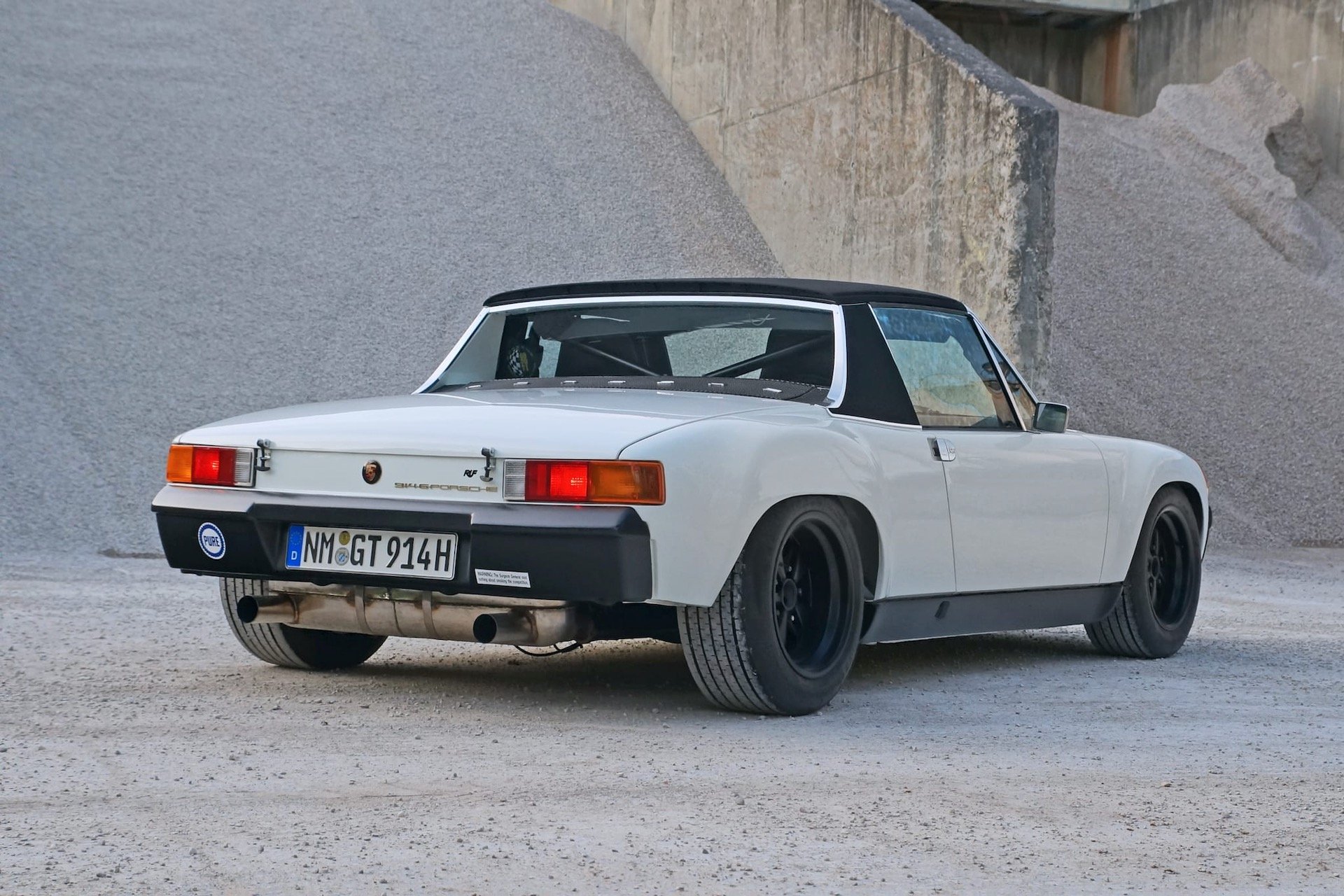
A 1970 Porsche 914-6 with a famous former owner and a Ruf rebuild to its name has sold for €225,000 (around £190,000) on Bring a Trailer. For a model that spent decades being written off as the cheap way into Porsche ownership, that is a remarkable number, and it says a great deal about how provenance and a serious restoration can rewrite a car’s standing.
The 914 Story, and Why the Six Matters
To understand why this sale is notable, it helps to remember how the 914 came about. Porsche engineered the car as a replacement for the Volkswagen Karmann Ghia, intended to be sold as a VW. Volkswagen then backed out, leaving Porsche to sell it itself, which it did with its own 2.0-litre flat-six producing 108 horsepower.
That decision created the split that defined the model. Most 914s carried four-cylinder engines of between 1.7 and 2.0 litres supplied by Volkswagen, and that flat-four origin became a major source of the negative reception the car suffered among brand purists. The 914-6, with its flat-six, was the purist’s choice from the start, and it is the version collectors chase today.
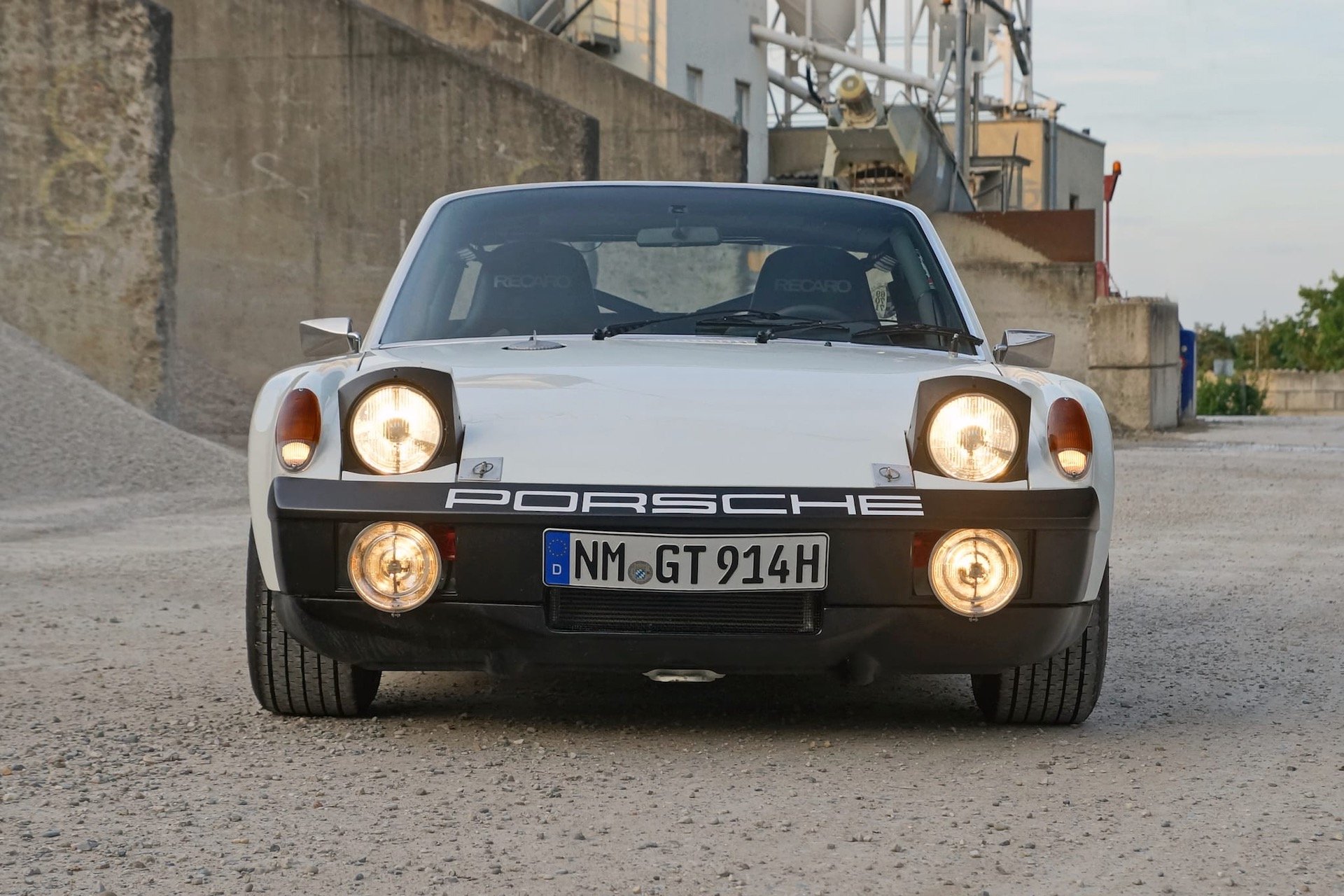
A 914 That Broke Six Figures
The car was delivered new in Belgium, and it stayed close to home in more ways than one: Luc Donckerwolke, the designer who bought it in 2020, is Belgian himself. He owned it until recently, when it crossed the block on Bring a Trailer and fetched €225,000.
Context matters here. Only a handful of Porsche 914s have ever sold for more than $150,000 on the auction site, which puts this example firmly among the most valuable 914s to change hands publicly. It is not an outlier in the wider collector market either. Six-figure sums for the right cars with the right history have become almost routine, as anyone following the recent Michael Jordan’s Ferrari 550 Maranello Sells for $2.7 Million – More Than Double Its Estimate will know. What is striking is seeing a 914 in that company.
Who Is Luc Donckerwolke?
Donckerwolke built his reputation inside the Volkswagen Group, most notably at Lamborghini, where he worked on projects including the Gallardo. He later moved to Genesis, shaping a distinctive design language for the luxury brand before establishing the Magma performance sub-brand and its associated racing programme. His career spans some of the most closely watched styling exercises of the past three decades.
That matters commercially. A famous former keeper adds a layer of provenance that no amount of mechanical refurbishment can replicate, and collectors have long paid a premium for it. In this case the owner’s eye for design also shaped how the car was rebuilt, which makes the connection more than a line in the listing.
The Antwerp Connection
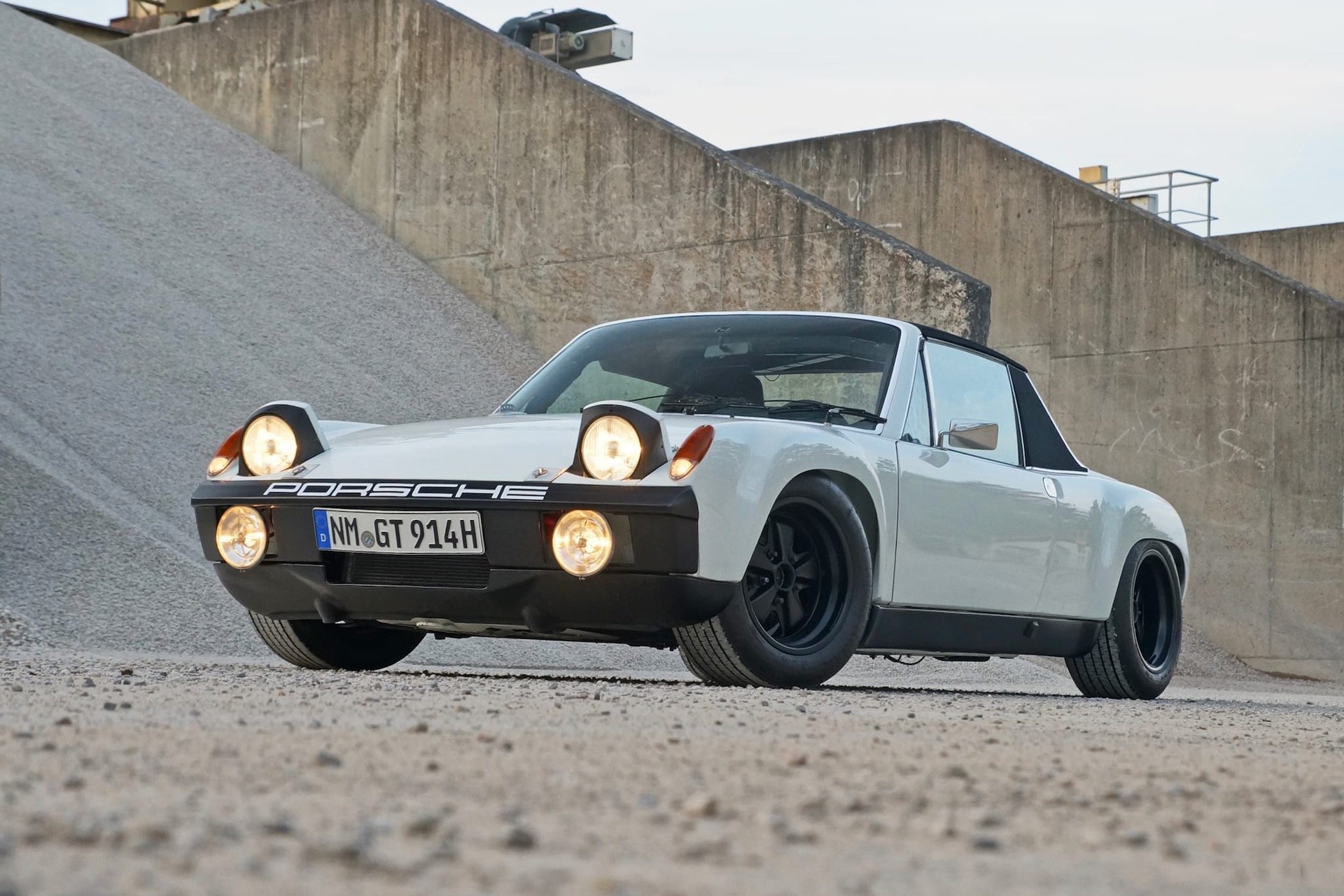
Long before Donckerwolke owned it, the 914-6 had already been altered in a way that would define it. In 1975, Belgian dealer Antwerpse Automobile Company fitted steel fender flares in the style of the 914-6 GT race car. That is the sort of period modification that can go either way at auction: done badly it is a liability, done well it is a story.
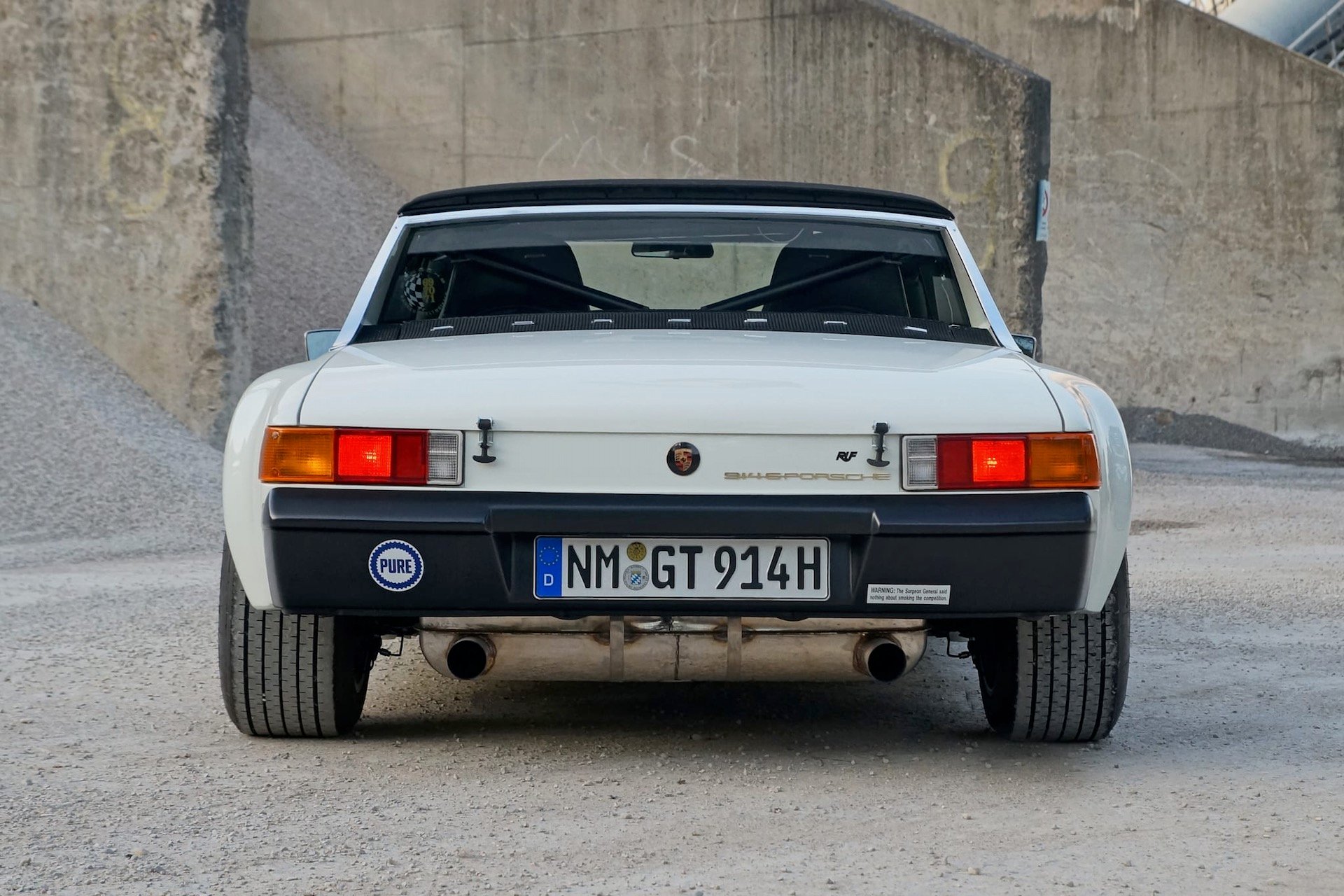
Here it set the car up for everything that followed. The flares gave it the stance of the competition cars, and they were the one element Ruf chose to retain when the car was rebuilt after 2020, which tells you how highly the flared bodywork is regarded.
What Ruf Changed
Ruf is well known for turning Porsches into something considerably faster than Stuttgart intended, and its involvement is a significant part of this car’s value. After Donckerwolke bought it, the car was rebuilt and upgraded by Ruf, with a list of changes that goes well beyond a cosmetic refresh.
Ruf kept the steel fender flares and added a fibreglass hood, engine cover, bumpers and rockers, along with a central fuel filler. The repaint took the car from its factory Lemon Yellow to Grand Prix White, a change that will divide opinion but aligns it with the GT-inspired look the flares always suggested.
Underneath, displacement grew to 2.4 litres, with a twin-plug ignition system and velocity stacks feeding the dual Weber triple-barrel carburettors. There is also a new stainless steel exhaust system and oil cooling, modern brakes, and a new clutch and lightweight flywheel for the five-speed manual transaxle. It is a thorough, coherent package rather than a scattergun of fashionable parts.
Racing Pedigree and a Mid-Engined Legacy
The competition record gave the 914 credibility that the road car struggled to earn on its own. A 914-6 GT finished sixth at the 1970 24 Hours of Le Mans, a result that underlined what the mid-engined layout could do when properly developed.
That layout is the model’s real legacy. The 914 presaged the Boxster and Cayman, and the mid-engined formula it pioneered is now the backbone of Porsche’s sports car range below the 911. The car that was mocked for its Volkswagen engines and its humble positioning turned out to be pointing at the future.
What This Sale Says About the Market
A 914-6 at €225,000 is not a fluke, and it is not simply inflation. It is the product of three things coming together: a specification that matters, modifications carried out by a name collectors trust, and an owner whose career gives the car a story. Take away any one of those and the number would look very different.
The broader lesson is that the hierarchy of collectible Porsches is not fixed. Models dismissed in their own time can be reassessed when the right example surfaces, and the 914 has been quietly climbing for years. Ruf’s involvement carries particular weight, because it signals that the car was rebuilt to a standard rather than merely restored to original.
For anyone who remembers when a 914 was the cheap way into Porsche ownership, the figure will take some adjusting to. But the market has made its judgment, and on this evidence the “poor man’s Porsche” label no longer applies to the best examples.