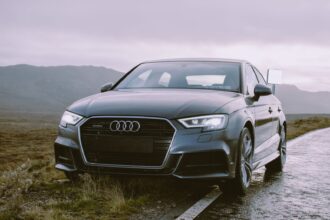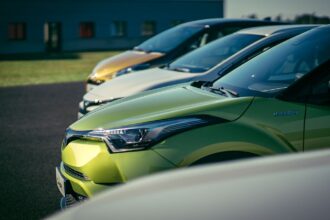

The best family car is the one that fits your life, not the one with the longest equipment list. If you are shopping for best family cars, the real decision comes down to four trade-offs: how much space you genuinely need, what the car will cost to run each month, how it protects the people in the back, and whether you can bear to drive it every day. Get those four right and the badge on the bonnet matters far less than the internet would have you believe.
This guide picks clear winners by category, explains what separates a good family car from a great one, and gives you a practical method for choosing. Prices quoted are approximate on-the-road (OTR) starting figures for current models and will vary with trim, engine and options, so confirm the latest figure with a dealer before you commit.
What makes a great family car: the criteria that matter
Boot space. Look at litres with the seats up, but also at the shape. A wide, square load bay with a low lip beats a bigger number that comes with a narrow opening. A pram, a weekly shop and a folded pushchair need to go in together, not one at a time.
Isofix points. Two in the outer rear seats is the minimum. Three across the back, or Isofix on the front passenger seat, adds real flexibility. Check the points are easy to reach and not buried under stiff upholstery.
Rear space. Knee room, head room and a flat floor matter more than a headline figure. A central tunnel makes the middle seat useless for anyone with legs.
Safety ratings. Euro NCAP scores are the benchmark. Look at the adult and child occupant percentages rather than just the overall star rating, and check whether the car you are buying has the same standard safety kit as the tested model.
Reliability and running costs. Insurance group, servicing intervals, tyre prices and predicted depreciation all shape the real monthly cost. A cheap car with a high insurance group and thirsty engine is not a bargain.
Resale value. Strong residuals lower PCP and HP payments and soften the blow when you sell. It is one of the most overlooked numbers in family car buying.

Best overall family car
The default answer for most families remains a mid-size estate or hatchback with a practical boot, a comfortable ride and efficient engines. The Škoda Octavia is the perennial benchmark here: a 600-litre boot in the hatchback (estate versions run to around 640 litres), generous rear legroom, a simple cabin and a range of economical petrol and diesel engines. Approximate OTR pricing starts at around £26,000 for the current model. It is not exciting, but it does almost everything a family asks of it without complaint.
If you want a touch more polish, the Volkswagen Golf Estate and the Toyota Corolla Touring Sports are strong alternatives. The Corolla’s hybrid powertrain is particularly smooth in town and its reliability record is excellent, according to What Car?’s annual reliability survey. The Octavia’s advantage is sheer space for the money, and its safety scores have been consistently strong.
Best family SUV
SUVs sell because families want the raised driving position, easy access and presence. The best of them combine that with genuine efficiency. The Toyota RAV4 Hybrid is the pick: a large, well-shaped boot, a comfortable ride, strong real-world economy from its hybrid system (typically around 50 mpg in mixed driving) and Toyota’s Relax warranty, which extends cover up to 10 years or 100,000 miles, whichever comes first, when you service at a Toyota dealer. Approximate OTR pricing starts at around £37,000.
The Kia Sportage and Hyundai Tucson are close rivals, offering generous equipment, long warranties and hybrid options. Kia’s warranty runs for seven years or 100,000 miles (subject to terms), and Hyundai’s matches it at five years with no mileage cap. If you want more space still, the Škoda Kodiaq (from around £36,000) blurs the line between SUV and seven-seater. The trade-off with any SUV is higher running costs and a taller centre of gravity, so test drive one before assuming it suits you.
Best value family car
Value is not the same as cheap. The Dacia Jogger is the standout budget choice: a genuinely spacious estate-cum-MPV with a low purchase price, a simple petrol or hybrid powertrain and enough equipment to live with, according to What Car?’s review, which rates it among the best-value family cars on sale. Approximate OTR pricing starts at around £18,500, which undercuts most rivals by thousands, and it still offers Isofix points and a decent safety package.
If you want a more conventional hatchback, the Kia Ceed and the Hyundai i30 offer strong equipment and long warranties at sensible prices. The key with any value pick is to check the insurance group and servicing costs before you sign, because a low sticker price can hide higher running costs.

Best hybrid family car
For lower fuel bills without charging anxiety, a hybrid is the sensible middle ground. The Toyota Corolla and the Honda Civic e:HEV both deliver smooth, efficient motoring, with real-world economy typically in the 50 to 60 mpg (UK) range according to HonestJohn’s Real MPG data. The Civic in particular is a refined, spacious family hatch with a clever hybrid system that behaves like an automatic.
Company car drivers should look closely at plug-in hybrids, where low benefit-in-kind tax can make a significant difference. The Škoda Superb iV and the Volkswagen Passat GTE offer generous electric-only range for short commutes and petrol power for longer trips. Just be honest about how often you will actually plug in, because a PHEV only saves money if you charge it.
Best electric family car
If you are ready to switch, the practical EV choices have matured. The Tesla Model Y offers a large boot, fast charging and strong software, though its ride is firm, according to What Car?’s road test. The Škoda Enyaq is the more comfortable, family-friendly alternative, with a big boot, a quiet cabin and a range that comfortably covers most weekly driving, according to Auto Express’s review. Approximate OTR pricing for the Enyaq starts at around £36,000.
The Kia EV6 and Hyundai Ioniq 5 are excellent all-rounders with rapid charging and generous interior space. Before buying any EV, check home charging is possible, because public charging costs can erode the savings. Range figures are optimistic, so plan around 80 per cent of the official number in winter.
Best seven-seat family car
For larger families, the Škoda Kodiaq is the default choice: three rows, a usable third row for children, and a boot that still swallows shopping with all seats up. Approximate OTR pricing starts at around £36,000. The SEAT Tarraco and the Peugeot 5008 are strong alternatives, and the latter offers a particularly flexible interior.
If you need more space, a used MPV such as the Ford Galaxy or the Volkswagen Sharan remains a smarter buy than most SUVs, with easier third-row access and a bigger boot. Check that the third row has Isofix and that there is enough head room for the age group likely to use it.

Best small family car
Urban families do not need a large car. The Volkswagen Polo is the benchmark small hatch: a surprisingly roomy rear seat, a decent boot (351 litres) and strong safety scores, according to What Car?’s review. Approximate OTR pricing starts at around £19,500. The Škoda Fabia and the SEAT Ibiza share much of the same engineering and offer similar practicality for less money, which makes the Fabia the sharper value buy if budget is the priority; the Polo’s edge is its slightly more polished cabin and stronger residuals.
The Toyota Yaris is the pick if efficiency matters most, with its hybrid system returning excellent urban economy of around 60 mpg in town. Small cars are easier to park and cheaper to insure, but check the boot will take a folded pushchair before you commit.
How to choose the best family car for you
Test-fit child seats. Take your actual seats to the dealer and fit them in the car you are considering. Check the Isofix points are accessible, that the seat does not foul the front seats, and that you can still use the boot. This single step rules out more cars than any spec sheet.
Assess boot space properly. Bring a pushchair and a suitcase. Measure the opening, not just the litres.
Consider finance carefully. PCP suits low-mileage buyers who want a new car every few years; HP builds equity but costs more monthly. Compare the total cost, not the monthly payment.
Be sceptical of badges and labels. A “great deal” or “award winner” sticker is not the same as a good deal for your circumstances. Check the total price including fees and the real-world running costs before you sign.
Verdict
The Škoda Octavia remains our top recommendation because it gets the fundamentals right: space, comfort, efficiency and safety, at a price that undercuts premium rivals. If you want an SUV, the Toyota RAV4 Hybrid is the most sensible all-rounder. If budget is tight, the Dacia Jogger delivers remarkable value. If you are ready to go electric, the Škoda Enyaq is the most family-friendly EV on sale.
Whatever you choose, test-fit the child seats, check the running costs and buy the car that fits your life. The best family car is the one you will still be happy with three years from now.