Volkswagen still leads the new-car sales race, but the ground beneath it is shifting. With around ten weeks of 2026 left to run, roughly 60 mainstream brands are scrapping for position, and the overall market is up 10% year on year from January to September. Look past the headline growth, though, and a more interesting story emerges: the brands that have dominated for decades are losing their grip, and the ones gaining ground mostly learned their trade in China.
The state of play after nine months
A rising tide usually lifts every boat, but not this year. Despite that 10% market expansion, sales at BMW, Ford and Volkswagen are all down year on year, and every single brand in the top five has lost market share. In a growing market, that tells you the extra volume is being hoovered up by newer names rather than the established order.
The context matters here. September was a blockbuster month, with more than 350,000 cars registered, a jump of over 12% year on year and the strongest September since 2017, as reported in our coverage of September’s near-decade high. That momentum has carried through the autumn, but the beneficiaries are not the brands you might expect.
Volkswagen’s slender lead
Volkswagen sits top of the table, ahead of Kia, BMW, Audi and Ford. On paper, that is business as usual. Underneath, the picture is less comfortable. VW’s sales are down year on year, and its market share has slipped along with everyone else in the top five. The brand’s electrification push will be central to defending that position, and the recently revealed Volkswagen ID. Tiguan, which the brand says gets a new name, new look and 372-mile range, shows how much rides on the next wave of models. The Tiguan badge has been VW’s global best-seller since 2017, according to the brand, so moving it onto an electric SUV is a significant bet.
For now, though, the lead is slender, and the chasing pack is not playing by the old rules.
MG’s charge into the top six
MG is the standout story of the year. The brand now sits sixth, outselling Mercedes, Skoda, Vauxhall and Toyota, and it is the only brand in the top 10 to have increased its market share year on year. In a top ten where every established player has lost ground, MG has gained.
Analysts expect MG could climb one more place by year end. That single position would be enough to push Ford out of the top five, a scenario that would have seemed fanciful a few years ago when MG was still establishing itself as a value proposition rather than a volume force. The brand’s mix of affordable petrol models and increasingly credible EVs has found a ready audience, and the sales charts are reflecting it.
BYD breaks into the upper tier
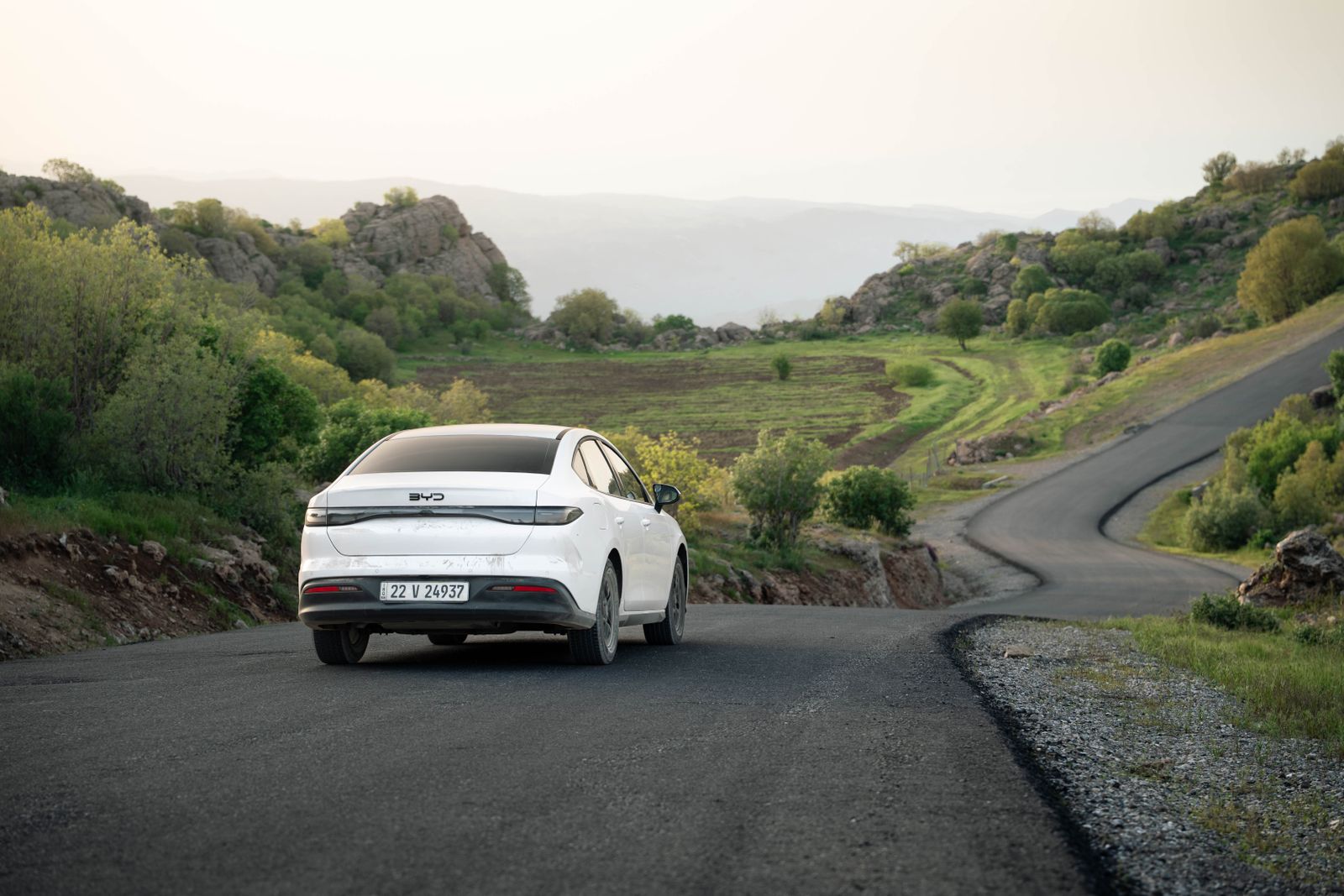
BYD has moved into 11th, ahead of Hyundai, Nissan, Peugeot and Jaecoo. That is a serious statement of intent from a brand that only recently arrived in the market proper. Forecasts suggest a top-10 finish is on the cards, with BYD closing on Toyota and possibly Vauxhall before the year is out.
The speed of BYD’s ascent is the striking part. Where most new entrants spend years building dealer networks and brand awareness, BYD has gone from curiosity to top-15 player in short order, helped by a rapidly expanding model range and aggressive pricing. If the forecast holds, it will end 2026 ahead of several brands that have been selling cars here for generations.
The chasing pack: winners and losers in the top 20
Behind the top ten, the top 20 splits neatly into two camps. Volvo, Renault and Land Rover are all losing market share, while Tesla and MINI are both gaining. The projections suggest Jaecoo will pass Nissan, Peugeot and Hyundai, and that Tesla is on course to overtake Land Rover.
Jaecoo’s rise is worth dwelling on. The brand made headlines in September with the Jaecoo 7, and its momentum has not faded. Passing three established names in the closing weeks would cap a remarkable debut year. Tesla’s projected move ahead of Land Rover reflects the ongoing pull of its updated line-up, even as the premium SUV market remains fiercely contested.
Chery’s rapid rise from a standing start
Then there is Chery. The brand has been on sale here for only a few months, yet the projections have it entering the top 20 by the end of 2026 and the top 10 by 2027. A top-five place is even floated as a possibility if Chery builds cars in Britain, whether at Sunderland or elsewhere.
That last point is the one to watch. Local production changes the economics of a brand entirely, from import costs and currency exposure to the political goodwill that comes with investment and jobs. Chery has form for moving quickly, and its launch here has been no exception. If a manufacturing decision follows, the forecast timeline could compress further.
What to watch in the final stretch
It is worth being clear that these placings and forecasts are projections rather than confirmed results. The year-end standings are not yet settled, and ten weeks is ample time for a strong plate-change push, a new model launch or a fleet deal to move the dial.
The storylines to track are straightforward. Can Volkswagen hold on at the top with sales down and share eroding? Does MG’s one-place climb materialise, and does Ford really drop out of the top five? Will BYD overhaul Toyota and Vauxhall to secure a top-10 finish? And can Chery keep up a launch pace that has already outpaced most expectations?
There is a broader point too. The market is growing, but the growth is flowing to brands that did not exist here a decade ago, or existed in a very different form. The established order is not collapsing, but it is fracturing, and 2026 looks set to be remembered as the year the cracks became impossible to ignore. For buyers, that means more choice and sharper pricing. For the incumbents, it means the next ten weeks matter more than they would like.
The sales race is being decided by value, electrification and speed to market, and on all three counts the Chinese newcomers are setting the pace.
For more on this, see sales fall tax credit.