
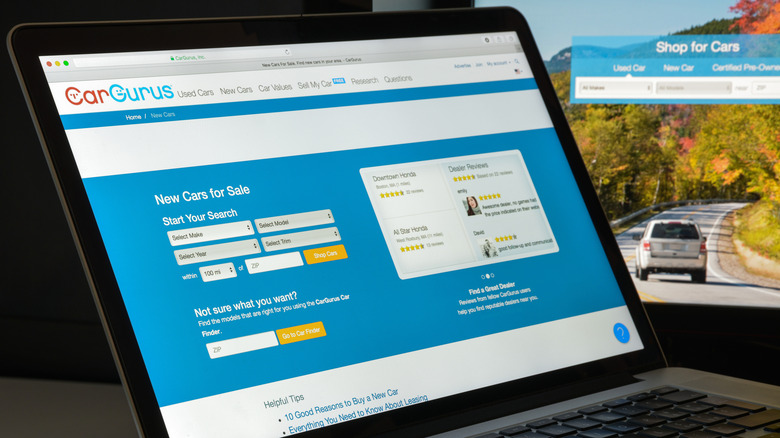
New York City’s Department of Consumer and Worker Protection has filed a consumer protection action against CarGurus, alleging that the site’s “Great Deal” ratings and its AI chatbot present prices that conceal the fees buyers actually have to pay. The action, filed earlier this month in New York State Supreme Court, claims the listings deceive customers about dealership prices and undermine the very transparency CarGurus has built its brand on.
The claim: more than 2,000 alleged violations
The department cited over 2,000 violations of the city’s consumer protection law and is seeking penalties of up to $3,500 per violation. Multiply that out and the exposure runs into millions of dollars. The suit also asks the court to permanently stop CarGurus from deceiving New Yorkers.
At the centre of the case is the rating system that tells shoppers whether a car is a “Great Deal,” “Fair Price” or “Overpriced,” alongside an AI chatbot that generates deal lists. According to the department, both present prices that leave out or bury mandatory dealer charges.
Commissioner Samuel Levine did not mince words in a statement on 15 October. “New Yorkers should be able to trust that a ‘Great Deal’ is actually a great deal,” he said. “Our lawsuit seeks to stop bait-and-switch pricing, eliminate hidden fees, and ensure customers aren’t getting fleeced when making one of the biggest purchases of their lives.”
CarGurus says it will fight
CarGurus has rejected the allegations and vowed to defend itself “vigorously.” Chief executive Jason Trevisan, in a statement posted to the company’s website on 15 October, said the complaint ignores a long record of pushing the industry towards openness. “The allegations in the complaint ignore our decades-long track record of setting the standard for transparency in car buying and selling,” he said.
The company says its deal ratings rest on a transparent and objective review, and that it now requires dealership fees to be disclosed. The city’s counter-argument is that CarGurus failed to enforce its own guidelines: that ratings hide required fees or make them hard to find, and that the chatbot does not provide fee details in the deal lists it produces. In the department’s words, the company “failed to take adequate steps to enforce its own guidelines, leading to increased consumer confusion.”
That gap between policy and practice is the heart of the case, and it exposes an awkward truth about the business of rating prices. Listing platforms earn their money from dealers who want their cars seen, while buyers rely on those same platforms to tell them honestly whether a price is good. Those two interests can pull in opposite directions, and a badge that says “Great Deal” is a promise of independence as much as a judgment on value. A transparency rating is only worth the data feeding it, and regulators are increasingly willing to test whether the label matches the reality.
Why the timing matters
The action did not arrive in a vacuum. In March, the Federal Trade Commission told 97 dealership groups that it considered it illegal to advertise prices that omit mandatory dealership charges such as document fees and pre-installed accessories. Advertised prices, the FTC said, must be true out-the-door prices, with the exception of government fees and taxes.
CarGurus and other third-party listing sites adjusted their listing policies in response. The New York suit effectively asks whether those adjustments went far enough, and whether a site that profits from dealer listings can police them properly. It is one thing to write a rule requiring fee disclosure; it is another to enforce it across thousands of franchised and independent dealers.
What it means when you are shopping
For anyone who has spent an evening scrolling listings, the case is a useful reminder of how a headline price is built. A car advertised at a tempting figure can pick up hundreds or thousands of dollars in mandatory add-ons before you reach the finance office: documentation fees, preparation charges, accessories already fitted. The rating badge sits on top of the advertised number, not the final one. A deal that looks great at $15,995 can lose its shine quickly once a few hundred dollars of admin fees appear.
The practical lesson is straightforward. Treat any rating as a starting point, not a verdict. Ask for the full out-the-door figure in writing, check which charges are compulsory and which are optional, and compare finance on the total price rather than the advertised one.
The wider picture
The New York action lands in a busy week for the industry. Elsewhere, Jeep may start building vehicles in China for Canada, and Ford is issuing another recall in the US.
For buyers, the takeaway is to use these tools the way they were meant to be used: as a filter, not a finish line. The badge tells you what a computer thinks of one number. The out-the-door price tells you what the car actually costs. Until regulators and platforms agree on which number gets rated, the second figure is the one that matters.