The best hybrid cars in 2026 are not the ones with the lowest claimed fuel consumption. They are the models that deliver strong real-world economy, sensible running costs and genuine practicality for the way you actually drive. This guide cuts through the brochure figures and helps you match the car to the job, whether that is town miles, the school run or a weekly motorway slog.
Hybrids have moved from niche curiosity to mainstream default. With fuel costs stubbornly high, Benefit-in-Kind tax still favouring low-CO2 cars and the 2035 shift away from new petrol and diesel sales looming, a hybrid is the pragmatic middle ground for buyers who are not ready to go fully electric.
At a glance:
- Best all-rounder: Toyota Corolla
- Best to drive: Honda Civic
- Best for families: Toyota RAV4, Kia Sorento
- Best for cities: Toyota Yaris
- Best budget pick: Dacia Sandero Hybrid 155
- Best if you can charge: Toyota Prius Plug-in
What Separates a Good Hybrid from an Average One?
A hybrid isn’t automatically efficient. The badge on the boot tells you there is an electric motor helping out, but it says nothing about how well the system works in practice, how much space the battery steals, or what the car will cost you over three years of ownership. As our guide to the best hybrid cars sets out, the criteria that matter are real-world fuel economy, emissions and tax position, practicality, reliability, running costs and how the thing actually drives.
It also helps to know which kind of hybrid you are looking at. Mild hybrids use a small motor to assist the engine and smooth stop-start, but cannot drive on electricity alone; they offer modest gains. Full hybrids (sometimes called self-charging) can run on electric power for short distances at low speed and recharge themselves as you drive, so you never plug them in. Plug-in hybrids (PHEVs) have a much larger battery, can cover meaningful distances on electricity alone and must be charged to deliver their best economy. Buy the wrong type for your mileage and you will pay for technology you never use.
Quick Picks: Five Hybrids Worth Shortlisting
Toyota Corolla. The default choice for many buyers, and still one of the strongest. The 1.8 and 2.0-litre full-hybrid powertrains are smooth, dependable and genuinely economical, with the hatchback and Touring Sports estate covering most needs. Pros: excellent reliability record, low running costs, strong residuals. Cons: the infotainment and cabin feel a step behind the best rivals. Suits high-mileage drivers who want zero fuss.
Honda Civic. Honda’s e:HEV system is one of the cleverest full hybrids around, switching seamlessly between engine, motor and combined drive. The Civic is refined, well built and surprisingly good to drive. Pros: polished powertrain, generous standard kit, strong efficiency. Cons: only one powertrain option and a boot that is less versatile than some hatchback rivals. Suits company car drivers and long-distance commuters.
Hyundai Ioniq. The original Ioniq remains a used and nearly-new bargain, offered as a full hybrid with genuinely impressive economy. Be clear on what you are buying: this model has been phased out in favour of newer Hyundai designs, so it is available from remaining stock or the second-hand market only, not as a new order. Pros: low prices, strong warranty, aerodynamic efficiency. Cons: discontinued, so choice and specification depend on what is out there. Suits budget-conscious buyers who want maximum economy per pound.
Kia Niro. A practical crossover that majors on space and value, with a full-hybrid setup that returns strong real-world figures. Pros: generous boot, long warranty, comfortable ride. Cons: not the most engaging to drive. Suits families who want crossover practicality without plug-in complexity.
Lexus UX. The premium option, sharing Toyota’s hybrid know-how with a more upmarket cabin. Pros: superb build quality, refined drivetrain, strong dealer support. Cons: tight rear space and a higher price. Suits buyers who want hybrid efficiency with a premium badge.
For buyers watching the budget closely, it is also worth knowing that Dacia has entered the full-hybrid market. According to our report, the Dacia Sandero Hybrid 155: Britain’s Cheapest Full Hybrid Starts at £17,995 starts at £17,995 and is Britain’s cheapest full hybrid, a claim based on the pricing at the time of that report. Either way, it undercuts most of this list substantially.
Best Hybrid Cars for Families
Family buyers need space, safety and a boot that swallows the weekly shop plus a pushchair. The Toyota RAV4 remains the benchmark hybrid SUV, with a roomy cabin and a boot that is generous for the class, though exact capacity varies by model year and specification. The Honda CR-V offers a more upmarket feel and a genuinely clever hybrid system, with generous rear legroom and a well-shaped load bay. The Kia Sorento is the pick if you need seven seats, pairing a hybrid powertrain with a genuinely usable third row and a long warranty.
Look for ISOFIX points on the outer rear seats, a flat-folding rear bench and, where offered, a powered tailgate. All three of these models handle child seats and family clutter well, and all offer strong safety scores from Euro NCAP.
Best Hybrid Cars for City Driving
Town driving is where hybrids earn their keep, because the electric motor does most of the work at low speed. The Toyota Yaris is the standout: compact, easy to park and capable of running on electricity alone for short urban stretches, with fuel economy that embarrasses larger cars in traffic. The Honda Jazz is the practicality champion, with clever folding seats and a surprisingly airy cabin for its footprint, plus excellent visibility. The Renault Clio E-Tech brings a full-hybrid option to the supermini class with a smooth, quiet drivetrain and a comfortable ride.
For city buyers, prioritise a tight turning circle, good all-round visibility, rear parking sensors and a hybrid system that will actually let you creep on electric power in traffic. All three of these deliver on those counts.
Best Plug-in Hybrid Cars (PHEVs)
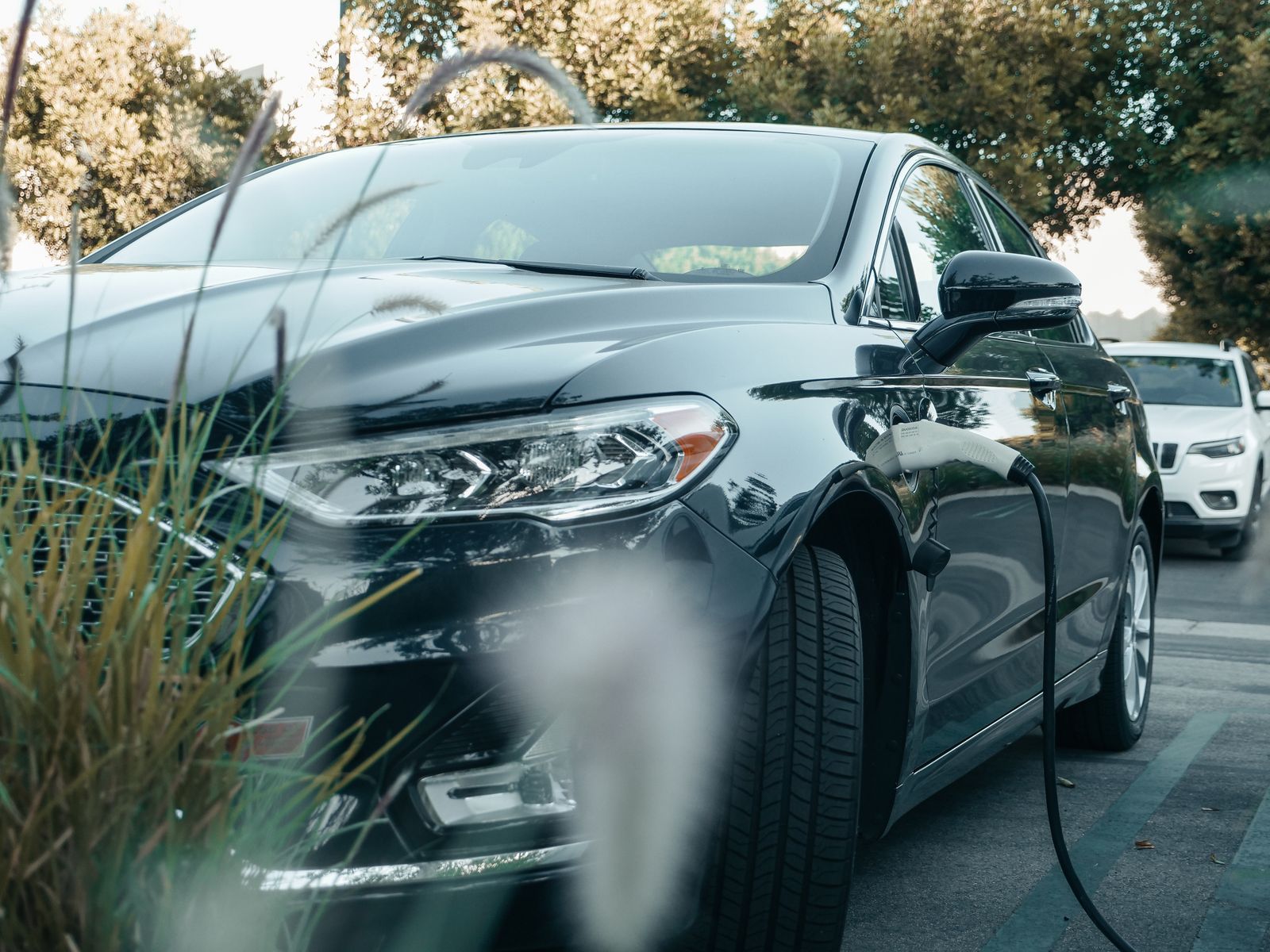
If you can charge at home or at work, a PHEV can be genuinely transformative. The Toyota Prius Plug-in offers a useful electric range and the Prius nameplate’s proven efficiency, though check current UK availability and pricing with a dealer as Toyota’s line-up has shifted. The Hyundai Tucson PHEV pairs a practical SUV body with plug-in capability, while the Kia Sportage PHEV does much the same with a long warranty and a strong equipment list.
The catch is simple: a PHEV only makes sense if you plug it in regularly. Run one without charging and you are lugging around a heavy battery for no benefit, and fuel economy can be worse than a conventional full hybrid. They also tend to cost more up front and carry a higher Benefit-in-Kind rating than a full hybrid, though they remain attractive for company car drivers who charge at home.
Hybrid vs. Electric: Which Should You Choose?
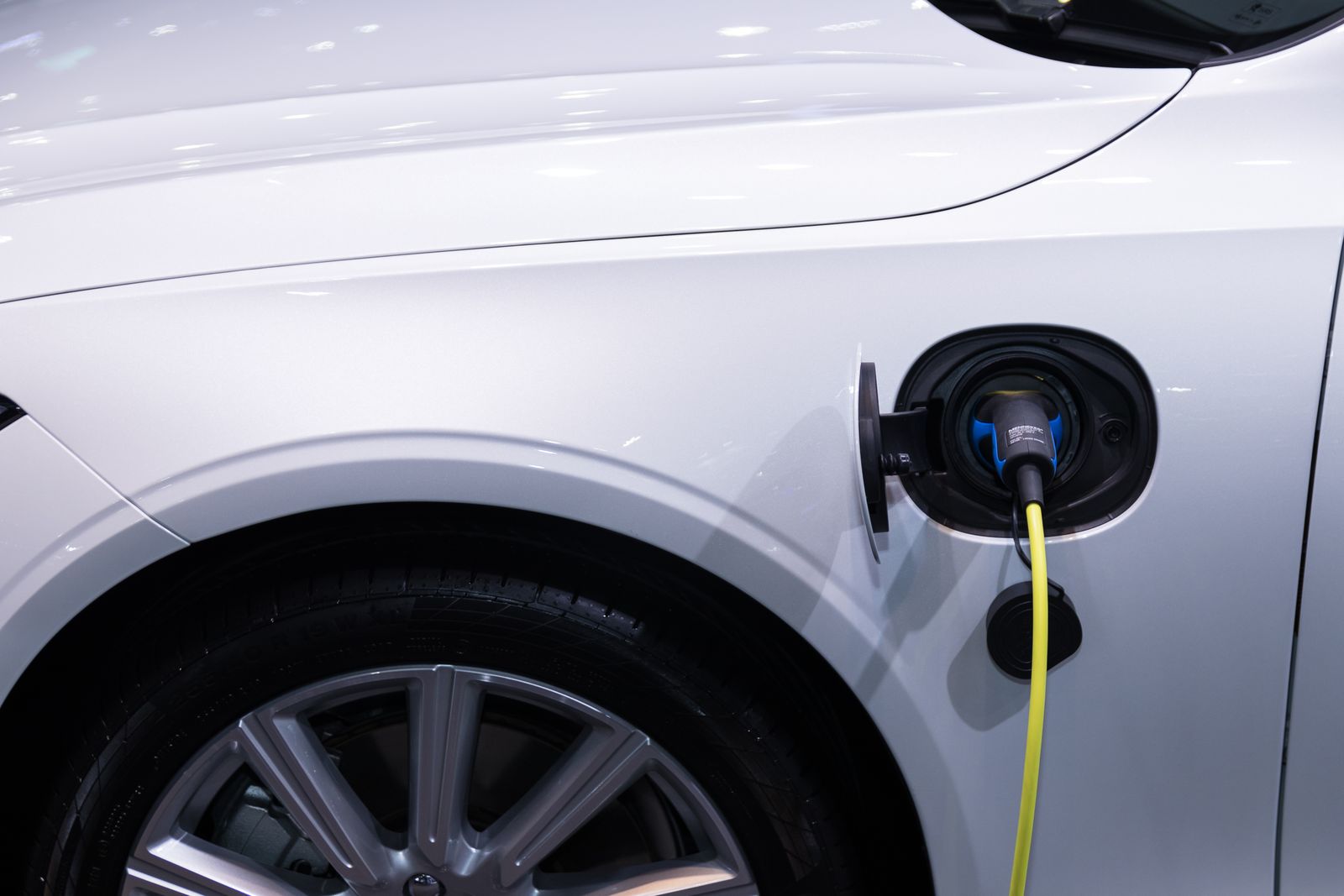
A hybrid is the lower-risk stepping stone. You refuel at any petrol station, you never worry about charging infrastructure and you avoid range anxiety entirely. A full electric car offers lower running costs per mile, zero tailpipe emissions and simpler servicing, but demands charging access and a higher purchase price in most cases. If you are weighing up the switch, our guide to going electric is a useful starting point.
If you do mostly short urban journeys and can charge at home, an EV is increasingly the smarter choice. If you cover long motorway miles, live in a flat without off-street parking or simply want to avoid the charging question altogether, a hybrid remains the pragmatic answer. Neither is universally better; the decision comes down to your mileage and your parking situation.
What to Look for When Buying a Hybrid
Check the battery warranty carefully. Toyota and Lexus offer extended hybrid battery warranties, subject to annual health checks and terms, and Kia’s warranty covers the hybrid system for its full term. Servicing costs are generally similar to conventional petrol cars, though you should confirm the schedule. Insurance groups vary widely, so get quotes before you commit.
On real-world economy, treat the official WLTP figures as a best case. Full hybrids tend to get close in town but fall short on motorways, while PHEVs can beat the official figure if you charge diligently or miss it badly if you do not. The UK plug-in car grant has closed to new private buyers, so do not budget for it.
On tax, the picture is worth understanding before you choose between a full hybrid and a PHEV. Benefit-in-Kind rates still heavily favour low-CO2 cars, and a PHEV with a decent electric range can undercut a full hybrid on company car tax, but only if it suits your mileage. Check current BiK bands for the specific model and trim you are considering, because the gap between the two types can be significant and it changes with each Budget.
Common Hybrid Myths Debunked
“Hybrids are slow.” Not any more. Modern systems deliver strong low-speed torque, and models like the Civic prove a hybrid can be genuinely brisk.
“All hybrids need plugging in.” Only PHEVs do. Full and mild hybrids recharge themselves as you drive.
“Battery replacement will cost a fortune.” Hybrid batteries are proving far more durable than early sceptics predicted, and most are covered by long warranties. Failures are rare.
“Hybrids are no good on the motorway.” A full hybrid’s advantage shrinks at steady high speed, but it does not disappear, and the aerodynamic designs of cars like the Prius still pay off on a long run.
Which Hybrid Suits You?
There is no single winner. The Toyota Corolla is the safe all-rounder, the Honda Civic the most polished to drive, the Kia Niro the family value pick, the Yaris the city champion and the Prius Plug-in the choice for chargers. If budget is tight, the Dacia Sandero Hybrid 155 rewrites the value equation entirely.
The only way to know which suits you is to drive them. Book test drives, check real-world economy on your own routes and confirm the tax and insurance position before you sign. The best hybrid car is the one that fits your life, not the one with the lowest number on the brochure.
Related: weekend driving booming while.