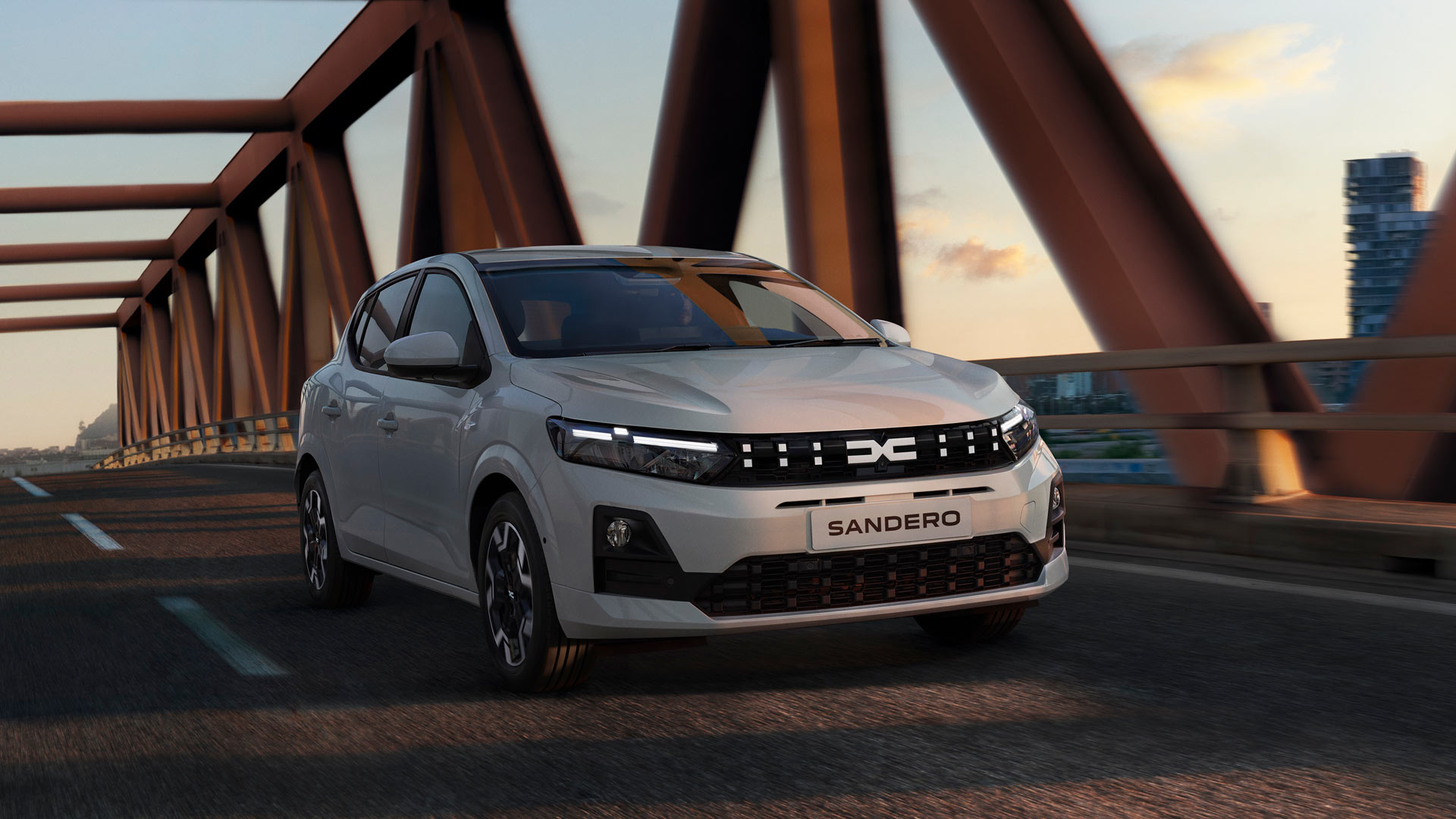
Dacia has done what it does best: taken a piece of technology that other manufacturers treat as a premium extra and made it the sensible choice. The Sandero Hybrid 155 brings a proper full-hybrid powertrain to the UK for £17,995, and in doing so it has become Britain’s cheapest full hybrid. No plug, no charging anxiety, no inflated monthly payment. Just an automatic, electrified supermini for the price many rivals charge for a mid-spec petrol.
The headline: full hybrid, supermini money
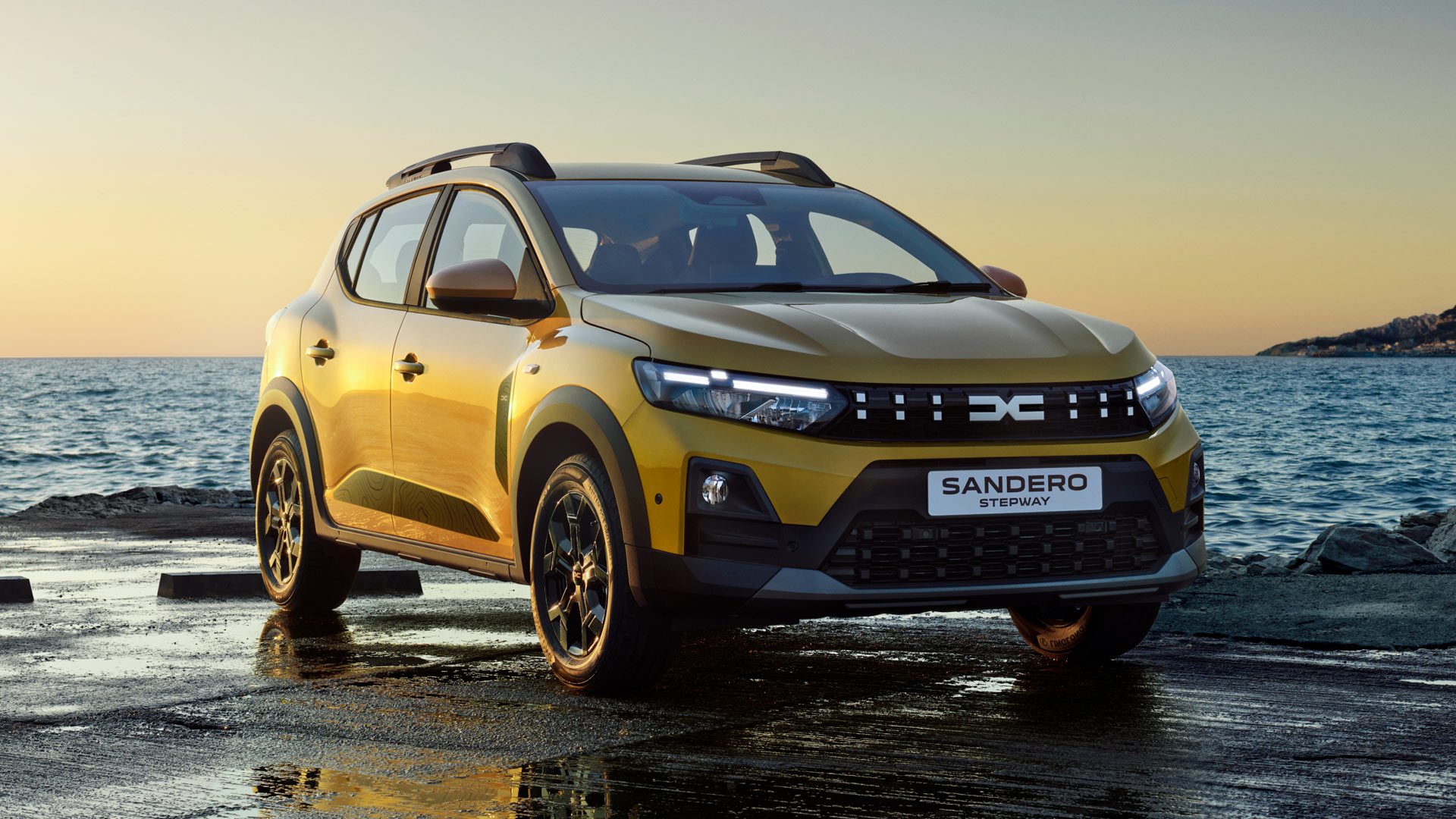
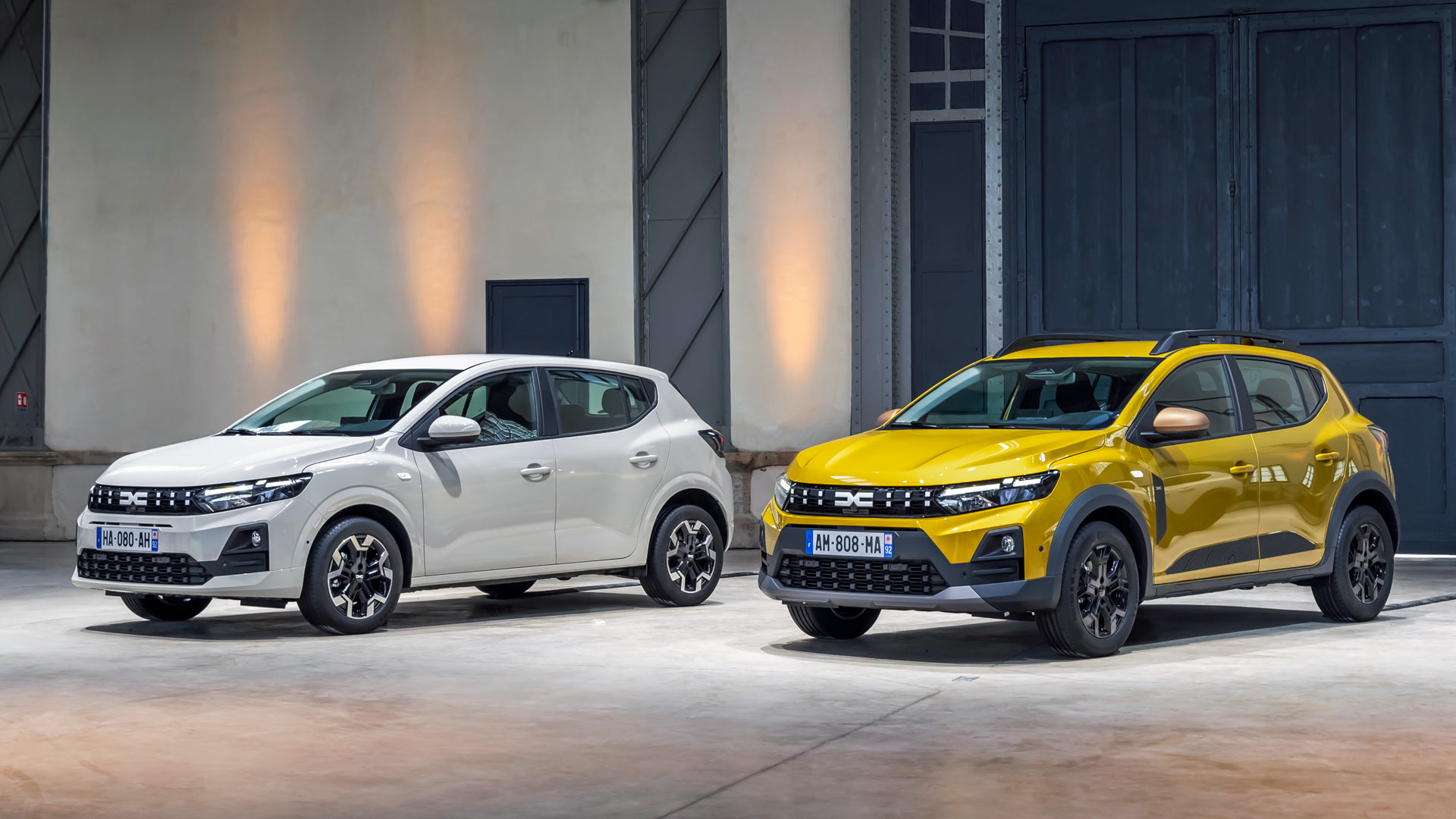
The Sandero has spent the past two years as Europe’s best-selling new car, and Dacia has now added a full-hybrid option to both the hatchback and the crossover-flavoured Stepway. The Sandero Hybrid 155 starts at £17,995 in Expression trim, rising to £19,295 for the Journey. The Stepway, with its raised ride height and crossover styling, also opens at £19,295 in Expression form and tops out with the Extreme Hybrid at £20,595. Both cars are available to order now.
That pricing is the story. Full hybrids have historically sat a rung or two above their petrol equivalents, and buyers have been asked to pay a premium for the privilege of better fuel economy. Dacia has turned that on its head, fitting the technology to a car that was already one of the cheapest new motors on sale and keeping the asking price within reach of ordinary buyers.
How the Hybrid 155 system works
Under the bonnet sits a 1.8-litre four-cylinder petrol engine working alongside two electric motors, fed by a 1.4kWh battery. The combined output is 155hp, hence the badge. There is no plug and no charging cable, because the battery tops itself up through regenerative braking and the engine’s own efforts.
The transmission is the clever part. It is clutchless, with four ratios for the petrol engine and two further gears dedicated to electric running. It shifts automatically, so there is no clutch pedal and no manual gearbox to work through in traffic. The car always pulls away in electric mode, which is why it feels so smooth and quiet around town.
It is a layout that is becoming familiar across the industry. Toyota’s new 1.5-litre hybrid engine follows much the same philosophy, and the Volkswagen Golf Hybrid has adopted a clutchless full-hybrid arrangement that will look familiar to anyone who has driven a modern Honda. Dacia is simply applying the idea at a lower price point.
Performance and efficiency
The 155hp output is more than adequate for a car this size. The 0-62mph sprint takes 8.3 seconds, which makes the Sandero Hybrid quicker than plenty of petrol superminis and brisk enough for motorway slip roads and overtaking.
The efficiency figures are more impressive still. Dacia says the car can cover up to 80% of urban miles on electric power alone, which is where a hybrid earns its keep. Short trips, stop-start traffic and low-speed crawling are all handled by the electric motors, with the petrol engine stepping in only when it is needed. Fuel consumption could be cut by as much as 40% compared with the equivalent petrol-only Sandero, a saving that will be felt at the pumps every week rather than once a year.
For buyers weighing up a hybrid against a plug-in, the appeal is straightforward. There is nothing to charge, no cable to wrestle with and no reliance on a home charger. The car simply does its own housekeeping.
Pricing and trim walk
The line-up is refreshingly simple. The Sandero Hybrid 155 comes in Expression at £17,995 and Journey at £19,295. The Stepway, with its raised ride height and crossover styling, starts at £19,295 in Expression form and tops out with the Extreme Hybrid at £20,595.
| Model | Price |
|---|---|
| Sandero Hybrid 155 Expression | £17,995 |
| Sandero Hybrid 155 Journey | £19,295 |
| Sandero Stepway Hybrid Expression | £19,295 |
| Sandero Stepway Extreme Hybrid | £20,595 |
Even the range-topper undercuts the starting price of most full-hybrid rivals, and the entry car is comfortably the cheapest route into full-hybrid motoring in the UK. For buyers who want an automatic gearbox and electrified running without stretching to a PCP deal they will resent, the numbers speak for themselves.
What Dacia says
Lina Ribeiro, Dacia brand director for the UK, framed the car as a natural extension of the brand’s philosophy: “Sandero has always been about giving customers more of what they actually use, without making them pay for things they don’t. Hybrid 155 fits that thinking perfectly. It brings automatic driving, electric power around town and lower fuel consumption, but there’s nothing extra to plug in or worry about.”
That last point is the crux. Dacia is not trying to sell buyers a lifestyle change or a home charging installation. It is selling them a car that is cheaper to run and easier to drive, with no new habits required.

The bigger picture
The Hybrid 155 powertrain is not new to Dacia. It already does duty in the Duster and the Bigster, and it will appear in the forthcoming Striker crossover. That matters because it means the technology has been proven across the range before being fitted to the brand’s biggest seller. There is no guinea-pig risk for Sandero buyers.
The timing is pointed, too. The Sandero has just completed two years as Europe’s best-selling new car, a remarkable achievement for a model that has never relied on badge appeal or clever finance deals to shift metal. Adding a full hybrid to that package, at a price that undercuts the competition, looks like a statement of intent rather than a niche addition.
It also arrives as the wider market moves in the same direction. The Volkswagen Golf Hybrid shows how the clutchless full-hybrid layout is spreading up the price scale, while Toyota’s new 1.5-litre hybrid engine confirms that the industry sees electrified petrol as the near-term answer. Dacia has found a way to deliver that same thinking at the bottom of the market rather than the top.
Why the Sandero Hybrid 155 could be the value champion of the year
The case is easy to make. For £17,995 you get a full-hybrid supermini with an automatic gearbox, 155hp, electric-only pulling away and the promise of up to 40% better fuel economy than the petrol version. There is no plug, no charging infrastructure to worry about and no premium to pay for the privilege.
Rivals will point to sharper dynamics, plusher interiors or stronger residuals. Those arguments have merit. But for the buyer who wants straightforward, electrified, automatic motoring at the lowest possible cost, the Sandero Hybrid 155 is hard to beat. Dacia has once again proved that affordable motoring does not have to mean basic motoring, and in doing so it has set a benchmark the rest of the market will have to answer.
Related: zoomlion 9dx hybrid tractor.
Related: ghosts ghouls gearboxes britain.