Something unusual is happening on the streets of London. Robotaxis, cars operating without a driver at the wheel, are now being licensed in the capital, with Transport for London granting approval to operators running self-driving services. And yet, if you ask the British public how they feel about that, nearly three in four will tell you they are not comfortable with it at all.
That is the tension at the heart of the driverless car story in Britain right now. The technology is arriving faster than the public mood is shifting, and the concerns people raise are not always the ones the industry expects.
The Trust Gap: Britain Is the Most Sceptical of Eight Countries
YouGov polling across eight countries, covering Britain, France, Germany, Italy, Poland, Singapore, Spain and the United States, found that 73% of Brits feel uncomfortable about driverless cars being allowed on UK roads. That makes Britain the most sceptical nation in the survey.
Most of the eight countries leaned towards discomfort when asked about riding in a driverless car, so Britain is not alone in its unease. But the scale of the gap is striking. Singapore stands as the clear outlier on the positive side, with 43% of respondents there holding a positive opinion of the technology. That is a markedly different starting point from the British one.
The polling also asked whether driverless technology will one day overtake human driving skill. Singaporeans were the most convinced, with 62% believing it will. Most other countries, including the UK, agreed, but with far less conviction. Italy was the exception entirely, with respondents there asserting that human drivers will always be safest.
So the picture is not one of blanket rejection. Brits can see the direction of travel. They are simply not yet persuaded that it is a direction they want to take.
Jobs, Not Safety: The British Worry Is Different
Here is where the UK result gets genuinely interesting. You might assume that the top concern about driverless cars would be safety, given the steady drumbeat of headlines about autonomous systems and crashes. But for British respondents, jobs come first.
More than 60% of Brits expect driverless vehicles to have a negative effect on jobs. Around a fifth expect knock-on effects for the economy and society more broadly. Safety, while clearly present in the national conversation, is not the leading anxiety in the polling.
That reframes the debate. The resistance to driverless cars in Britain is less about whether the technology works and more about who bears the cost when it does. For taxi and private hire drivers, the arrival of robotaxis is not an abstract question about the future of transport. It is a question about their next mortgage payment.
It also helps explain why the industry’s safety-first messaging has not landed as well as it might have hoped. You can publish all the disengagement data you like, but if the person reading it is a black cab driver in their fifties, the reassurance on offer is not the reassurance they are looking for.
Robotaxis Arrive in London
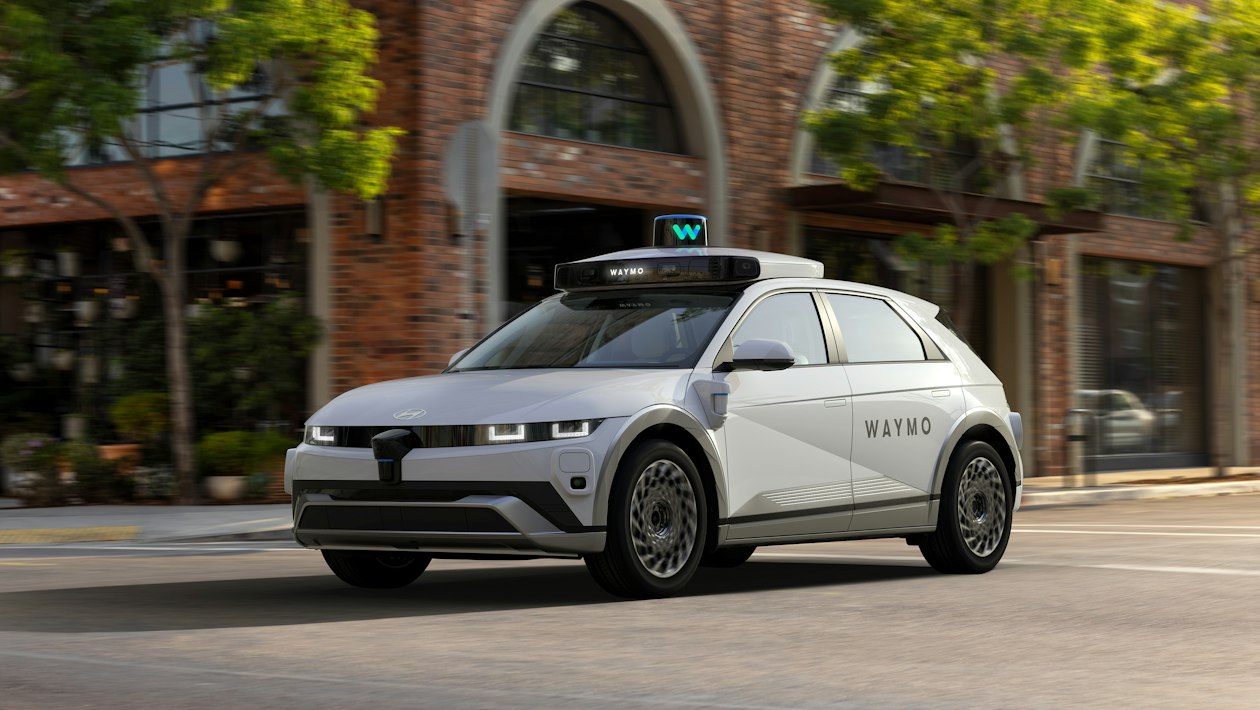
Despite that public mood, the licences have been granted. In August 2026, TfL gave the green light to robotaxi operations from Uber, working with British autonomous driving firm Wayve, and from Waymo, the Google-owned self-driving company that has been running commercial robotaxis in the United States.
Both operations have begun appearing on the capital’s streets. It is a significant moment: London joins a small group of cities worldwide where members of the public can, in principle, hail a car with no driver in it.
Waymo’s expansion into the UK is part of a broader international push. The company has spent years retrofitting its self-driving hardware into vehicles built by other manufacturers, and it is now working with Toyota on a purpose-built robotaxi based on the bZ4X, according to reports, a vehicle designed from the outset for autonomy rather than adapted after the fact. You can read more about that programme in our coverage of Waymo’s Toyota bZ4X Robotaxi: Built for Autonomy, Headed to Japan and the UK.
Tesla, meanwhile, has its own plans for the robotaxi market, though they have run into familiar obstacles. The company’s Cybercab programme has reportedly faced regulatory roadblocks as it tries to move from prototype to public sales, a reminder that the gap between announcing a robotaxi and operating a fleet of them is measured in years, not months. You can read more in our coverage of Tesla’s Cybercab sales target meeting a regulatory roadblock.
The Union Push for a Transition Plan
The jobs concern is not hypothetical, and it is not going unrepresented. At the Labour Party conference in September, GMB spokesperson Justin Madders set out what the union is looking for as driverless taxis take to British roads.
“When it comes to driverless taxis, we would look for some sort of transition plan, potentially even a transition fund to get people through,” he said.
That phrase, “get people through”, captures the essence of the argument. The union is not calling for a ban. It is asking for a managed transition, with financial support for drivers whose livelihoods are displaced. Taxi drivers themselves are seeking payouts for job losses, and the GMB’s position gives that demand a political voice.
Whether a transition fund materialises is another matter. But the fact that a mainstream union is framing the robotaxi rollout in terms of workforce support, rather than outright opposition, tells you something about how the debate is likely to develop. The question is shifting from “should this happen?” to “who pays for it?”
The Government’s Case
The government, for its part, is making an optimistic case. In a June statement, Simon Lightwood MP, Minister for Buses and Local Transport, framed self-driving vehicles as a social good as well as an economic one.
“Self-driving vehicles will offer new opportunities for Britain, helping to support independent travel for some disabled people and older adults, while unlocking billions of pounds for the economy by 2035 and supporting highly-skilled jobs,” he said.
That is a carefully constructed argument. It puts accessibility and economic growth in the same sentence, and it explicitly mentions jobs, albeit of the highly-skilled variety. The implication is that the jobs created by the autonomous vehicle industry will offset those lost in traditional driving roles, though the polling suggests the public is not yet convinced that the two balance out.
The 2035 figure is also worth noting. The government is not promising immediate returns. It is projecting a benefit that arrives over the next decade, which is a long time to wait if you are a taxi driver watching a driverless car pull up outside your rank.
Tesla and Stellantis Make Their Moves
The industry is not waiting for public opinion to catch up. Tesla has said it will wind down Cybertruck production next year to clear the way for its autonomous Robotaxi, the vehicle it calls the Cybercab. It is a striking reallocation of resources, and a signal that Tesla sees its future in autonomy rather than in the polarising pickup that made so many headlines.
Stellantis, the group behind Vauxhall and Peugeot among others, has taken a different route. It has partnered with Wayve and Uber to create bespoke vehicles for driverless taxi services. That is a notable vote of confidence in the British autonomous driving sector, and it puts a mainstream European manufacturer directly into the robotaxi supply chain.
The pace of these announcements sits awkwardly alongside the polling. The industry is committing capital, signing partnerships and retooling production lines while the majority of the British public remains uncomfortable with the end result. That is not a sustainable position indefinitely, but it is the position we are in.
Assistance Versus Autonomy: Where Today’s Cars Actually Sit
It is worth being clear about what is actually on the road today, because the language around self-driving can blur some important distinctions.
Systems such as Ford’s BlueCruise are increasingly common in new cars. They can take control in certain situations, typically on motorways, but the driver must remain watching and ready to intervene. That is assistance, not autonomy. The car is helping, not driving.
The distinction matters because it is where most British drivers will encounter the technology first. A BlueCruise-equipped car on the M1 is a very different proposition from a Waymo with no steering wheel in central London, even if both get described as “self-driving” in casual conversation.
It also matters because the failure modes are different. When an assistance system is misused, the consequences can be severe. A recent case in California reportedly saw a Tesla driver asleep at the wheel when the car crashed into a patrol car, seriously injuring two officers. That is a reminder that the transition period, when humans and automated systems share responsibility, may be the most dangerous phase of all.
What to Watch Next
The gap between public unease and industry momentum is the story to follow. Robotaxis are licensed and operating in London. Tesla is retooling for the Cybercab. Stellantis, Wayve and Uber are building bespoke vehicles. The government is projecting billions in economic benefit by 2035. And yet 73% of Brits remain uncomfortable, with jobs rather than safety at the top of their list of worries.
For buyers, the practical questions are about what is actually in the car you are configuring, and whether the assistance features on offer are being described honestly. For taxi passengers in the capital, the questions are about how to hail a driverless car, what happens if something goes wrong, and whether the fare is genuinely lower once the driver is removed from the equation.
For everyone else, the question is the one the GMB has put on the table: what does a fair transition look like, and who is paying for it? The technology is arriving. The answer to that question is still being written.