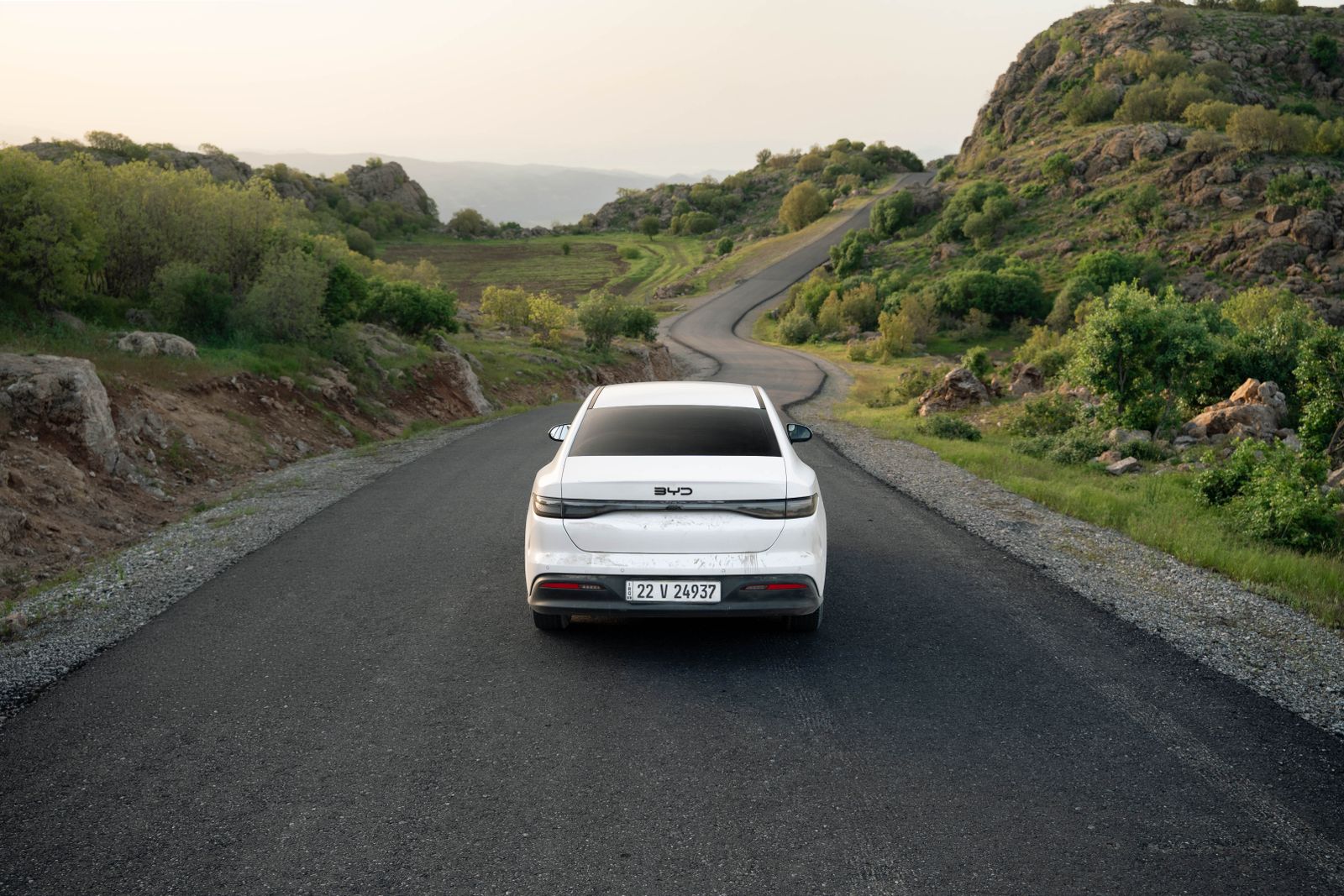
BYD has moved from curious import to serious contender in Britain, with a growing dealer network, keen pricing and a battery pedigree few rivals can match. This is not a speculative start-up testing the water. BYD builds its own batteries, its own semiconductors and, increasingly, its own ships to carry cars to foreign shores. Here is what that means for anyone shopping for an electric car.
Who is BYD? From batteries to cars
BYD stands for Build Your Dreams. The company began life in 1995 as a manufacturer of rechargeable batteries, founded by Wang Chuanfu in Shenzhen. For years it was the supplier nobody outside the electronics industry had heard of, churning out cells for mobile phones and power tools. Then it started building cars, and the battery expertise became a structural advantage rather than a side business.
That history matters more than it might first appear. Most car makers buy their cells from third parties, which means they design a vehicle around a component they do not fully control. BYD designs the battery and the car together. It can tune chemistry, packaging and thermal management as one system. The result is the Blade Battery, a lithium iron phosphate (LFP) pack that BYD claims is safer, longer-lasting and cheaper to produce than the nickel-rich cells favoured by many competitors. Whether or not every claim survives independent scrutiny, the vertical integration is real, and it gives BYD cost control that established manufacturers struggle to match.
BYD also has scale. It sold more than three million new energy vehicles in a single year at its peak, a figure that places it at the top of the global EV table. Scale brings down unit costs, funds research and lets the company absorb the expense of entering new markets. Britain is one of those markets, and BYD is treating it seriously rather than dipping a toe.

The BYD line-up in the UK
The range has expanded quickly. What started as a single SUV has grown into a family of models aimed at the heart of the British market.
The Atto 3 was the first to arrive, a compact family SUV that competes with the likes of the Kia Niro EV and the MG ZS EV. It offers a claimed range of around 260 miles from a 60.5 kWh battery (official BYD UK figures), a distinctive cabin with a rotating central touchscreen, and pricing that has typically sat in the low to mid £30,000s (check the current BYD UK price list). It is the sensible, practical entry point.
The Dolphin is the hatchback, smaller and cheaper, aimed squarely at buyers who want an electric supermini without paying premium money. With a starting price that has dipped below £30,000 (check the current BYD UK price list) and a range of roughly 265 miles in its larger-battery form, it undercuts most of the established competition. For urban drivers and second-car buyers, it is one of the more compelling propositions on the market.
The Seal is the saloon, and it is the model that has done most to change perceptions. A sleek, low-slung four-door with a range of more than 350 miles in its extended form (official BYD UK figures) and acceleration that embarrasses cars costing twice as much, it has been widely praised for its chassis tuning and refinement. It is the model that signals BYD is not content to compete only on price.
Above these sits the Seal U, a larger SUV, and the Sealion family, which pushes into more premium territory. The Dolphin Surf, a smaller and more affordable hatchback, has also been added to the line-up to broaden appeal at the bottom of the range. Exact specifications and prices shift with model-year updates and periodic offers, so it is worth checking current figures before you visit a dealer, but the broad positioning is clear: BYD wants a car for every mainstream electric buyer, from city runabout to family SUV.
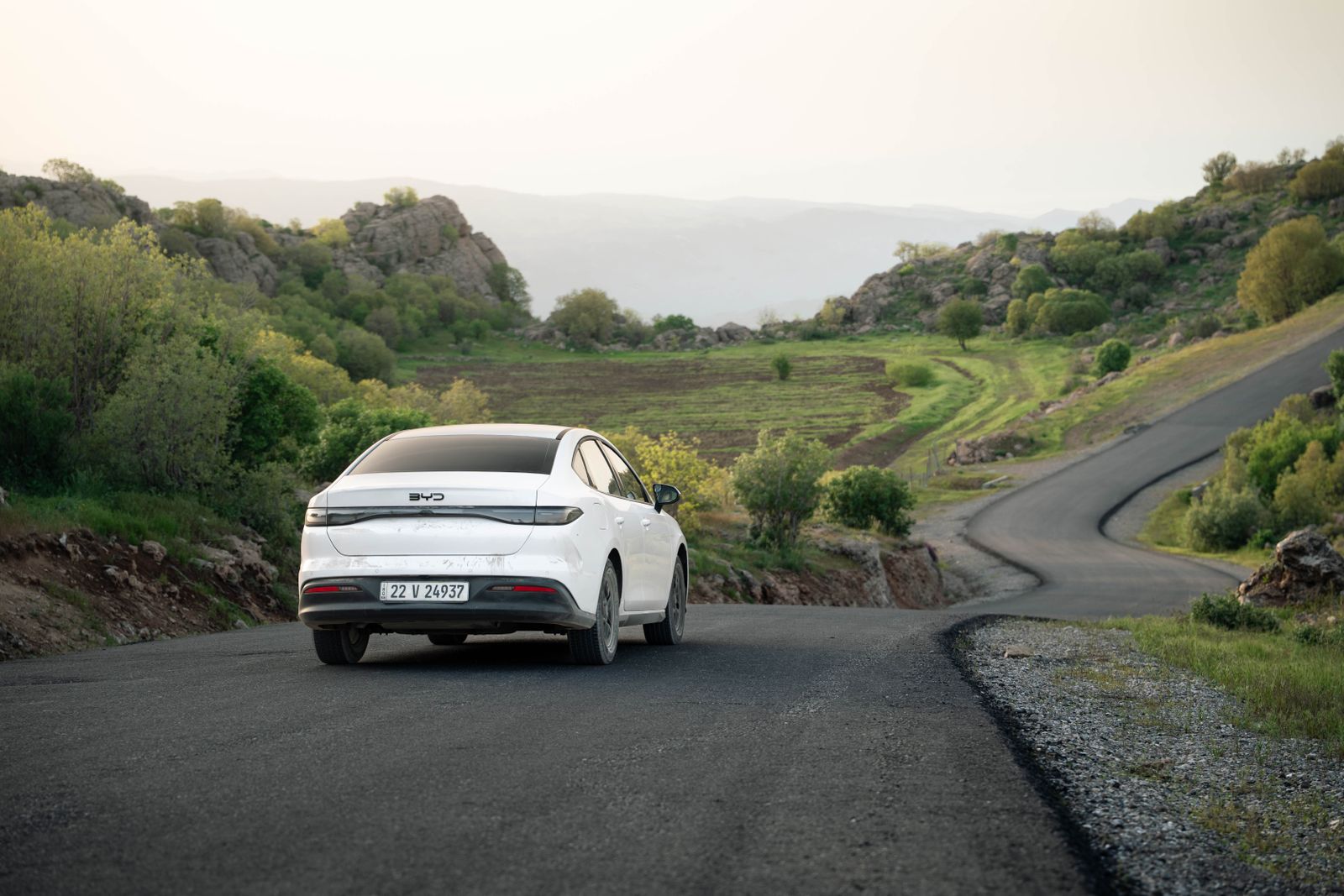
Technology and design
The Blade Battery is the technical heart of every BYD. Its LFP chemistry trades some energy density for durability and thermal stability. In practice, that means a pack that is less prone to the kind of runaway overheating that has made headlines elsewhere, and one that can be charged to 100 per cent regularly without the accelerated degradation that affects some nickel-based cells. For buyers who plan to keep a car for years, that is a meaningful advantage.
The e-Platform 3.0 is the architecture underneath. It is an 800-volt-capable design in its more advanced forms (BYD technical documentation), allowing rapid charging, and it packages the battery as a structural element of the floor. That improves rigidity and crash performance while freeing up interior space. The cells are arranged in a cell-to-body configuration that BYD says increases torsional stiffness and reduces weight.
Safety credentials have followed. The Atto 3, Dolphin and Seal have all achieved five-star Euro NCAP ratings (Euro NCAP), with strong scores for adult occupant protection and, importantly, for the child occupant and vulnerable road user categories that separate genuinely well-engineered cars from those that merely meet the minimum. The Seal in particular has been praised for its standard driver assistance systems.
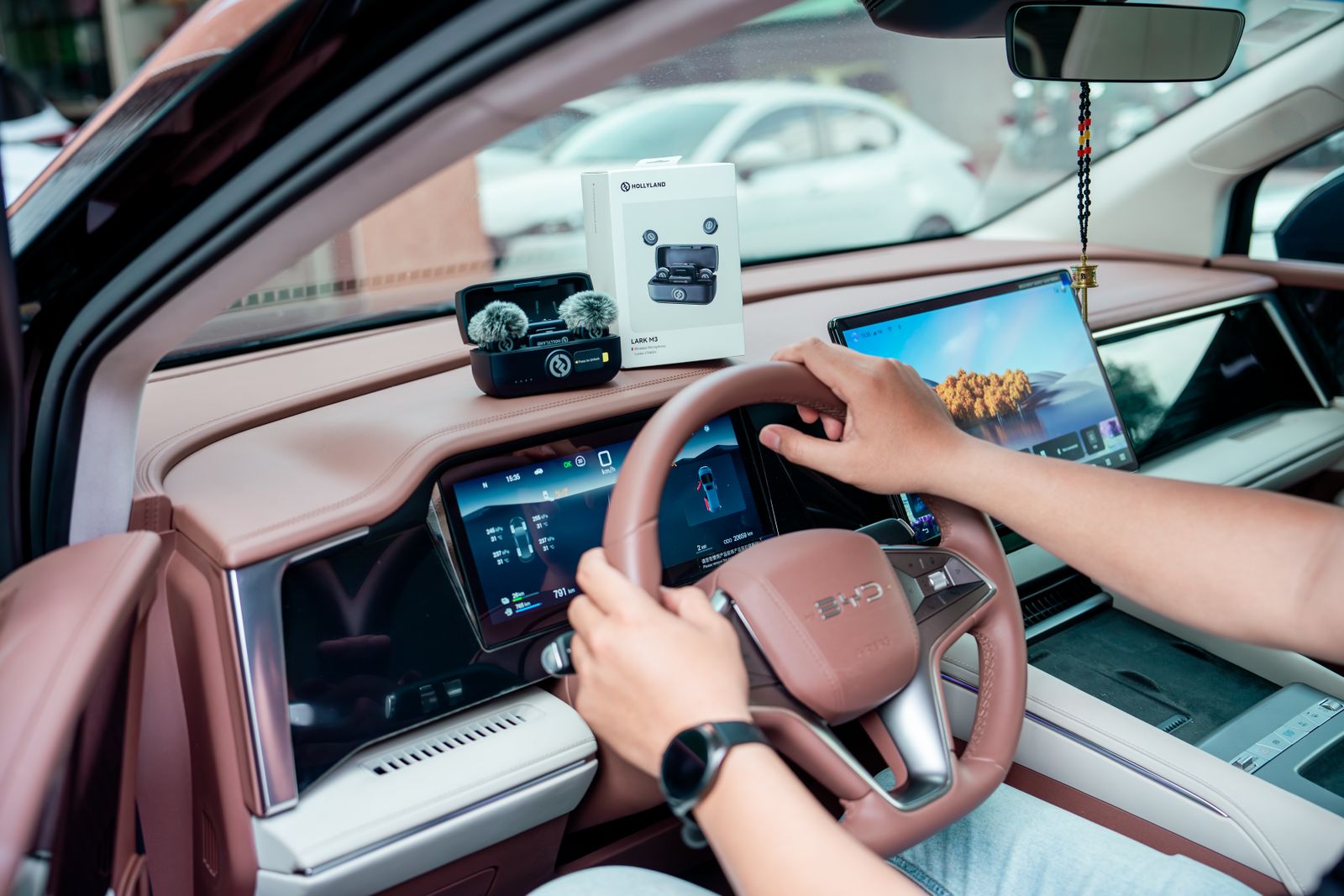
Inside, the experience is more divisive. BYD favours bold design, rotating screens and a somewhat idiosyncratic approach to controls. Some drivers love it; others find it fussy compared with the restrained layouts of a Volkswagen or a Hyundai. The materials have improved with each generation, and the latest models feel genuinely competitive rather than merely adequate. It is worth sitting in one before you decide.
Ownership and running costs
The practical case is where BYD has worked hard to reassure cautious buyers. The warranty is generous: typically six years or 60,000 miles for the vehicle, with an eight-year battery warranty (BYD UK warranty terms). Servicing intervals are long, and because there is no combustion engine, routine costs are modest. BYD has been building out its UK dealer and service network, though coverage still lags the established brands, and buyers in remote areas should check the location of their nearest authorised workshop.
Charging is straightforward. The Dolphin and Atto 3 accept DC rapid charging at rates that make motorway stops tolerable rather than painful, while the Seal’s higher-voltage architecture allows faster top-ups. Home charging on a standard 7 kW wallbox will cover most daily needs overnight. Insurance groups vary by model, so it is always worth getting quotes before committing.
The broader context is that Chinese manufacturers are arriving across multiple segments, not just electric hatchbacks. The Foton Tunland: Chinese mild-hybrid pick-up confirmed for UK in 2027 shows the same wave reaching the commercial vehicle market, and it is a reminder that BYD is part of a wider shift rather than an isolated curiosity.
What’s next for BYD in the UK
BYD has spoken openly about expanding its retail footprint, and it has been evaluating local production in Europe to sidestep tariffs and shorten supply chains. A European plant would not necessarily serve the UK directly, but it would improve availability and reduce the price pressure caused by import duties.
New models are arriving at a steady clip. The Sealion 7 brings a more premium SUV option, and further additions to the Dolphin and Seal families are expected. BYD has also invested heavily in plug-in hybrid technology through its DM-i system, which could prove significant for buyers who are not yet ready to commit to a pure EV.
The competitive backdrop is intensifying. Rivals are not standing still, and the pace of change is extraordinary. BMW’s Electric M3 Prototype: 850bhp, Four Motors and a Fake Gearbox shows how seriously the established performance brands are taking electrification. BYD sits in the middle of that contest, competing on value and vertical integration rather than on heritage.
Verdict: is a BYD worth considering?
Yes, with caveats. If you want a well-equipped electric car at a price that undercuts the established names, BYD deserves a place on your shortlist. The Dolphin is one of the best-value electric hatchbacks on sale, the Atto 3 is a sensible family SUV, and the Seal is a genuinely impressive saloon that happens to cost less than its rivals. The Blade Battery and the long warranty address the two biggest worries buyers have about any new brand: longevity and backup.
The caveats are real. Dealer coverage is thinner than the legacy brands, resale values are less proven, and the interior design will not suit everyone. But the direction of travel is unmistakable. BYD is not a flash in the pan, and its presence in Britain is already changing what buyers expect to pay for an electric car. For anyone comparing options, a test drive is the obvious next step, ideally after sitting in one at a dealer to see whether the cabin suits you. On the strength of the cars themselves, the badge is no longer the obstacle it once was.