

For decades, the British number plate has been a curious thing: a state-issued identifier that the state largely allows private businesses to manufacture, personalise and, increasingly, turn against the very cameras meant to read it. The result is a system being exploited at scale, and one that police are only just beginning to fight back against with artificial intelligence.
What Exactly Is a Ghost Plate?
A ghost plate is any number plate designed, altered or covered in a way that defeats automated camera detection. That covers a broad spectrum of tricks. At the simplest end are illegally spaced characters, where a registration is laid out so it reads as a name or word rather than a legal plate. Further along are 3D acrylic digits that confuse optical character recognition software, obscuring gels that blur a plate under flash, and infra-red-distorting covers that render a plate invisible to the IR-equipped cameras used in many enforcement and tolling systems.
What unites all of these is intent. A ghost plate is not a styling choice or an accident of manufacture. It is a deliberate attempt to make a vehicle unreadable to the network of cameras that now underpins everything from speed enforcement and clean air zones to the Dartford Crossing and London’s Ultra Low Emission Zone (ULEZ).
One in 15: The Scale of the Problem
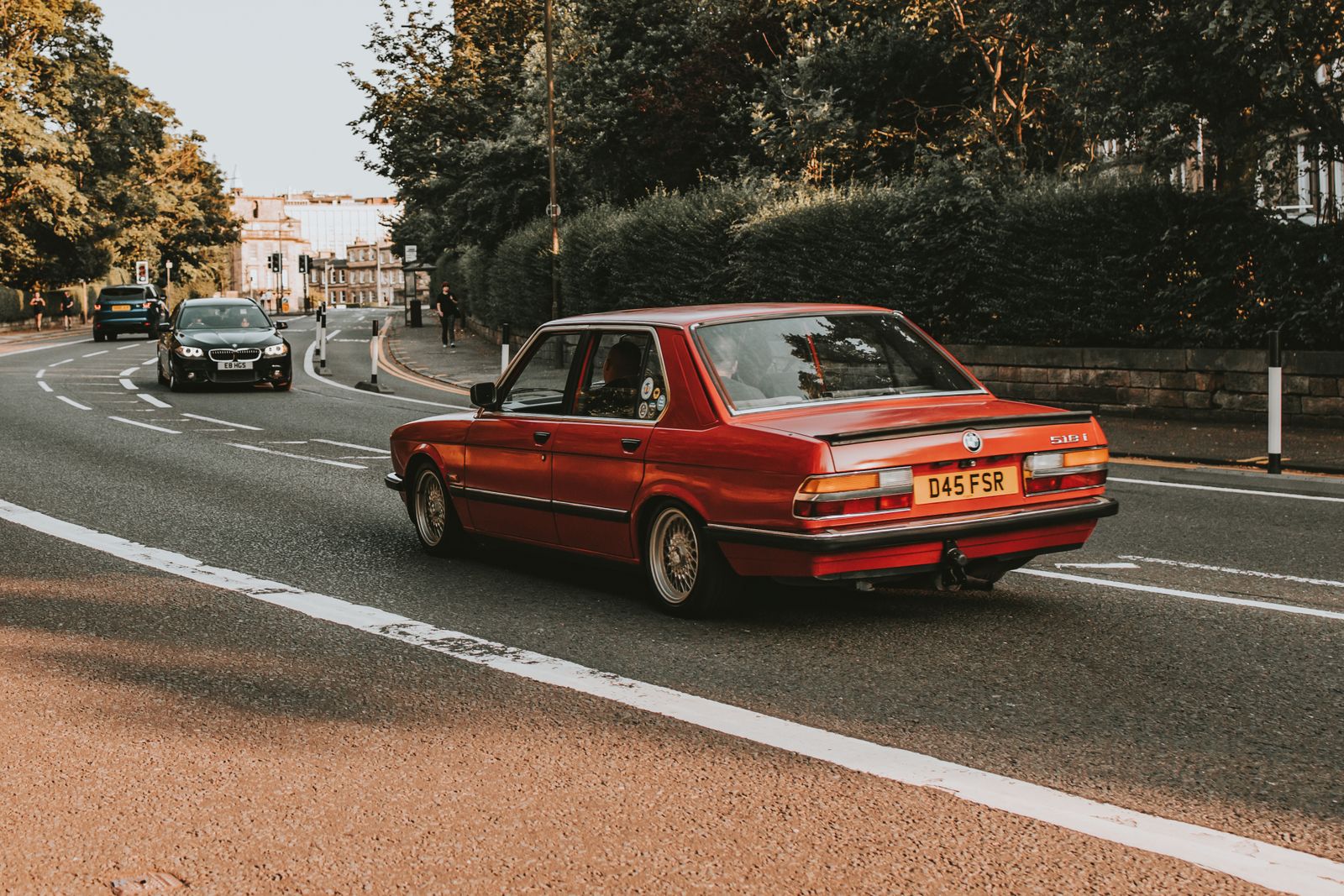
The headline figure is startling. Estimates suggest as many as one in 15 vehicles on UK roads carry illegal plates. That is not a fringe phenomenon confined to a few boy racers in retail parks; it points to a mass-market behaviour affecting a meaningful share of the national fleet.
Ghost, stealth and cloned plates are also described as a largely British problem, far less common in other European countries. That is not because drivers elsewhere are more law-abiding by nature, but because the systems they operate under make the trick far harder to pull off in the first place.
Why the UK’s Plate System Differs from Europe
The contrast with Germany and France is stark. Both countries require strict, state-issued, stamped metal number plates, produced either directly by government authorities or by a small number of state-vetted contractors, backed by serious enforcement. The supply chain is short, controlled and accountable.
The UK, by contrast, has nearly 35,000 DVLA-registered number plate suppliers. Crucially, there are no background checks required for the people who set up and run these businesses. A registered supplier is, in practice, anyone who has filled in the right paperwork. That creates an enormous surface area for abuse, and it means the plates on British cars are manufactured by a sprawling, lightly regulated private industry rather than a handful of approved producers.
The Online Market Making It Easy
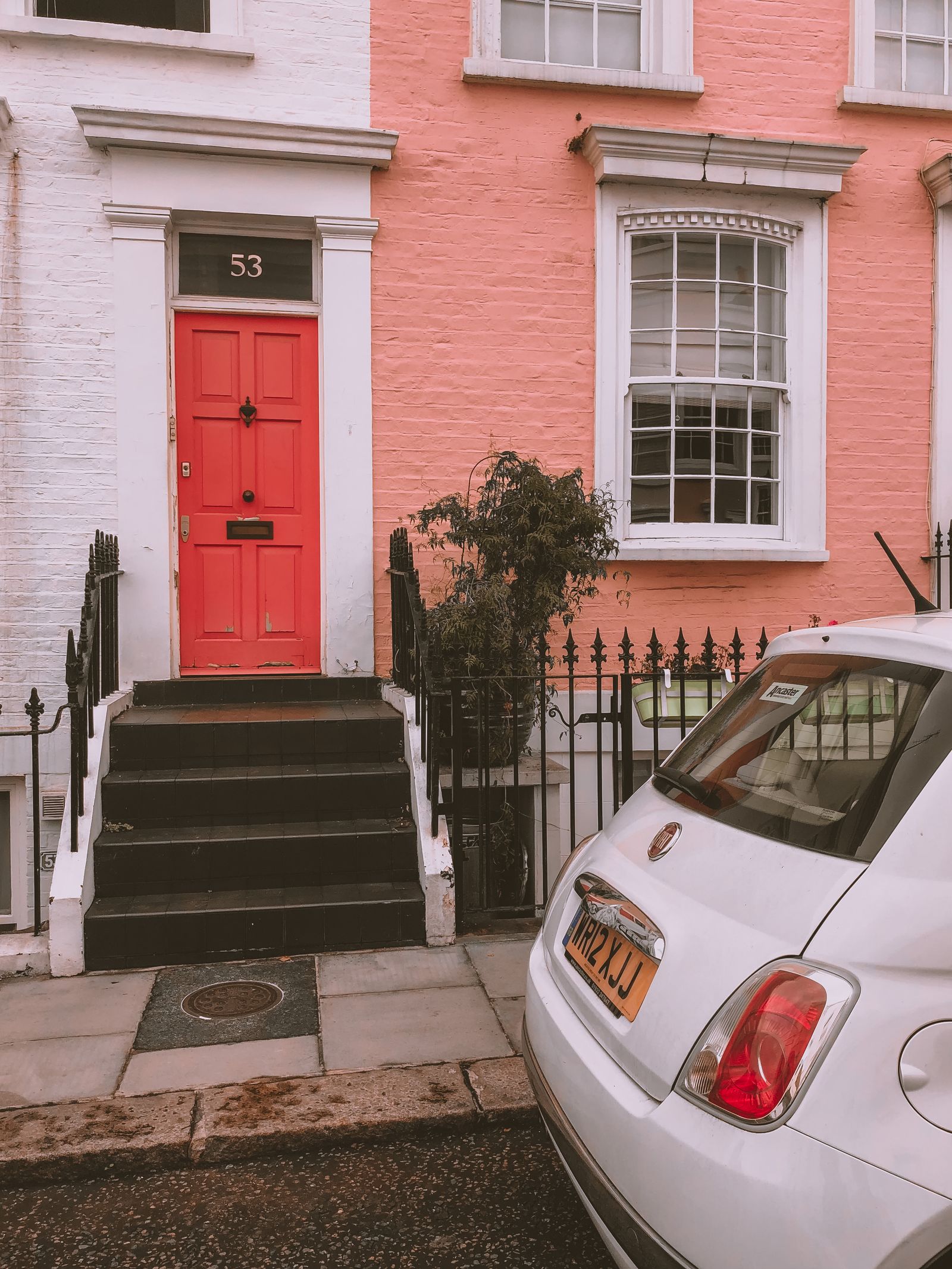
Anyone with an internet connection can order 3D acrylic digits, obscuring gels, infra-red-distorting covers and a wide range of other plate-modifying products from unregulated online sellers. There is no meaningful gatekeeping at the point of sale, and no requirement for a buyer to prove they are entitled to the registration they are ordering.
This is compounded by a cultural difference. Many European countries simply do not permit custom text or vanity modifications to number plates at all. In the UK, personalised registrations are not just tolerated but actively marketed by the state itself, which brings us to the commercial heart of the matter.
The Enforcement Fightback Begins
Authorities are now deploying new AI-aided camera technology alongside funding for specialised police coordination, specifically aimed at catching illegal plates. The logic is straightforward: if the cameras cannot read a plate, the entire enforcement architecture built on top of them starts to fail, so the detection technology has to be adapted to defeat the tricks.
AI-assisted systems are being trained to recognise and flag plates that are obscured, distorted or spaced illegally, rather than simply failing to read them and moving on. That shift, from silent failure to active alert, is the crucial change. A camera that cannot read a plate used to be a dead end. Increasingly, it is a trigger.

£100 Versus €30,000: Two Very Different Deterrents
The UK penalty regime is, by European standards, remarkably gentle. Using an illegal ghost plate carries a £100 fixed penalty notice, potential prosecution with fines up to £1,000, and an automatic MOT failure. The MOT consequence is arguably the sharpest edge of the three, since it can take a car off the road entirely until rectified.
In France, the standard fine is €135, around £115. But using completely false or manipulated plates to evade detection escalates dramatically, bringing fines of up to €30,000 (roughly £25,500), cancellation of the driving licence and even prison time. That is a deterrent framework built on the assumption that plate fraud is a serious offence rather than a minor administrative matter.
For anyone weighing up whether to keep a car clean between services, our Car Wash Guide UK: Costs, Types, and How to Wash Your Car Properly is a useful reminder that a legible, properly fixed plate is one of the simplest compliance boxes to tick.
The £300 Million Question
Here is where reform gets uncomfortable. The DVLA generates around £300 million a year from selling cherished personalised number plates. It is a substantial, reliable revenue stream, and it depends on a quirk that sits at the centre of this whole mess: a large majority of those cherished plates need to be illegally spaced to spell out what the DVLA itself suggests they might say.
In other words, the state sells the aspiration and the private sector supplies the illegal formatting that makes it work. Any sudden, tight new regulation of number plate manufacture and spacing would jeopardise that revenue, which is precisely why meaningful reform has been slow to arrive. The commercial incentive runs directly against the enforcement incentive.
Beyond Camera Evasion: Who Else Benefits
The case for a crackdown goes well beyond unpaid speeding tickets and congestion charges. Ghost plates shield car thieves and violent criminals from police, allowing vehicles involved in serious crime to move through camera networks unseen. A cloned plate attached to a stolen car effectively erases it from the record.
There is a behavioural argument too. Drivers who become emboldened by routinely beating automated cameras tend to grow more likely to drive dangerously, because the perceived risk of consequence falls away. A system that lets people believe they are invisible does not just produce evasive driving; it produces worse driving.
What a Real Crackdown Would Actually Require
Better cameras alone will not fix this. AI detection can flag a ghost plate, but somebody still has to stop the car, and the underlying supply of illegal plates has to be choked off at source. That means systemic changes to number plate law and distribution: proper vetting and accountability for the tens of thousands of suppliers, restrictions on the sale of obscuring and distorting products, and a hard look at whether the state should continue selling personalised registrations that only function as intended when spaced illegally.
The uncomfortable truth is that the UK has built a number plate regime unlike anywhere else in Europe, and it is now paying the price. Until the distribution model, the penalty framework and the DVLA’s own commercial interest are addressed together, the cameras will keep getting smarter while the plates keep getting harder to read.
Related: flock alpr cameras hacked.






One Comment