
Rwanda Lands Historic F1 Deal
The agreement is a decade-long commitment rather than a one-off event, and it was framed that way from the outset. Kagame, Domenicali and Ben Sulayem shared the stage in the Rwandan capital to announce a deal that puts the country on the calendar for the long term, with 2030 the earliest realistic debut.
For F1, it closes one of the most conspicuous gaps in its global map. For Rwanda, it is the centrepiece of a much broader national project. The race itself is only part of the story.
The Bugesera Circuit
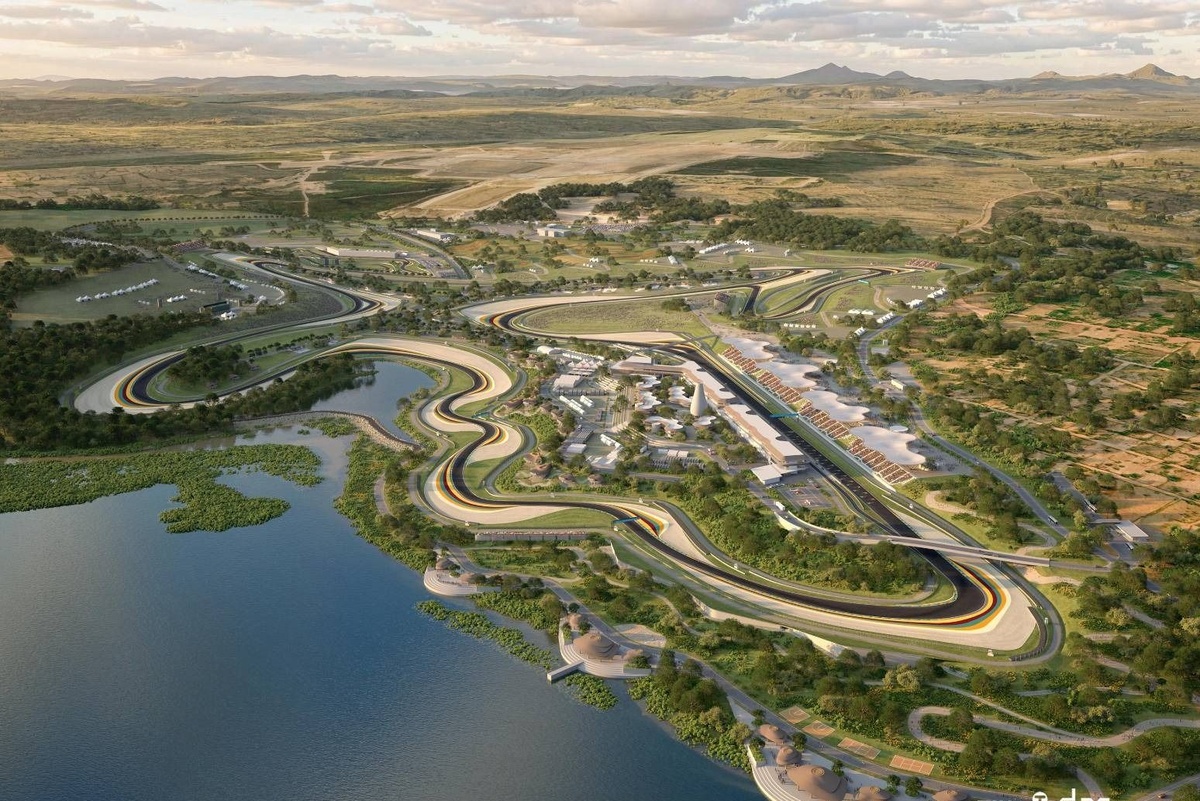
The track will be built in Bugesera, roughly 40km south of Kigali, next to the under-construction Bugesera International Airport. It is a purpose-built natural road course rather than a street circuit, designed by former F1 driver Alex Wurz and his design company, and it leans heavily on the natural terrain rather than reshaping it.
The numbers give a sense of the scale. The layout is a 6km, 17-corner anti-clockwise circuit with at least a 197m change in elevation per lap. That elevation figure is unusually large for a modern circuit, and it usually translates into the sort of blind crests and downhill braking zones that drivers tend to either love or fear in equal measure.
An anti-clockwise direction also changes the physical demands on drivers, loading the neck and shoulders differently to most circuits. Combined with 17 corners over 6km, Bugesera shapes up as a proper driver’s track rather than a stop-start affair.
Why 2030 and What Comes Next
The start date is not a fixed target so much as a consequence of construction. F1 and the FIA have been clear that the first race depends on the circuit being completed, which makes 2030 the earliest possible window rather than a guaranteed slot.
The track sits at the centre of a wider investment plan by the Rwandan Development Board spanning sport, tourism, infrastructure and commercial development. That framing matters. The airport next door, the road links, the hospitality capacity and the broader visitor economy are all part of the same package, and the race is intended to be the anchor that makes the rest viable.
It is a model F1 has leaned into repeatedly in recent years, where a grand prix is used as a catalyst for long-term national investment rather than a standalone event. Rwanda’s version is among the more ambitious.

Africa’s 33-Year Wait Ends
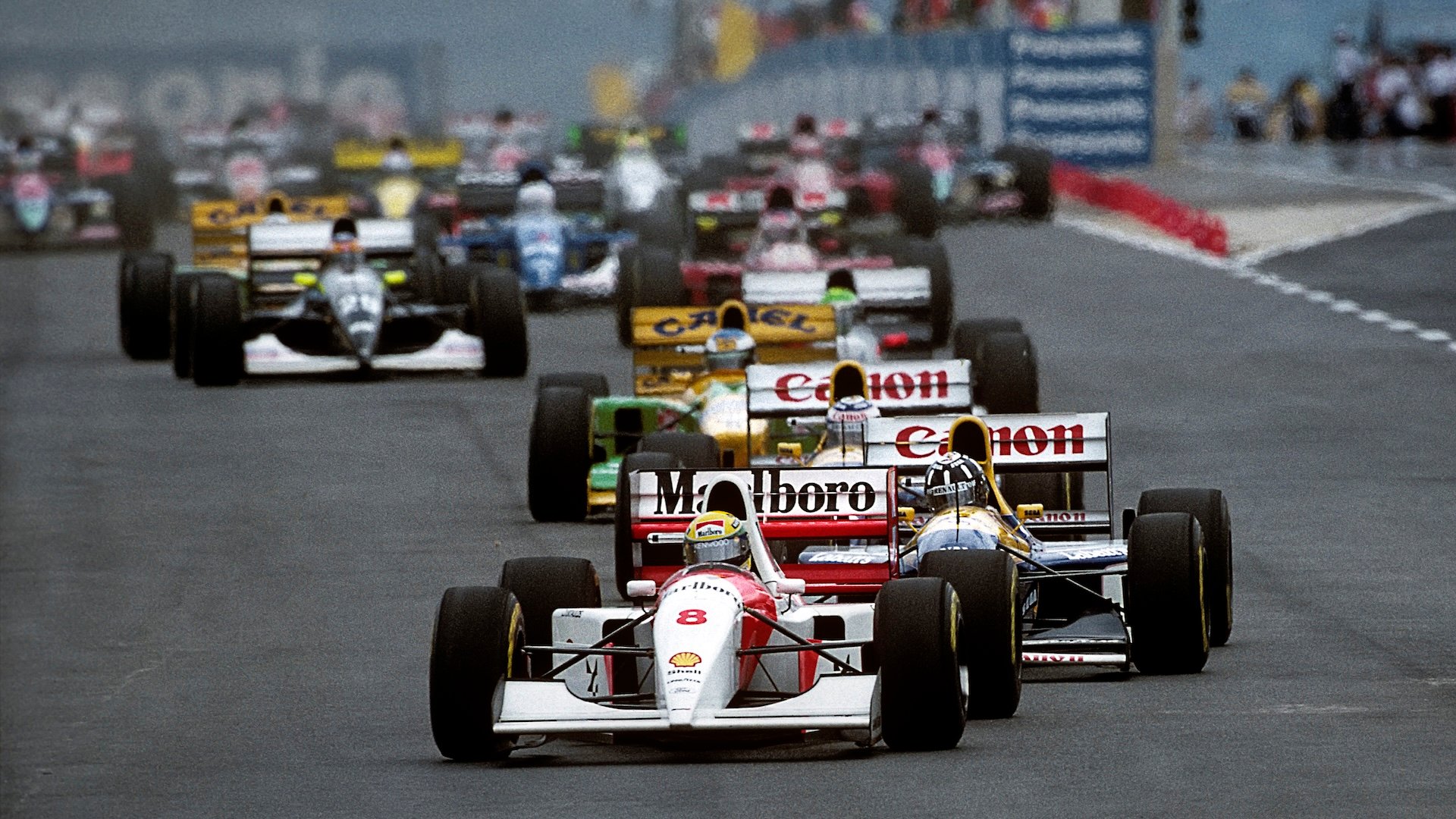
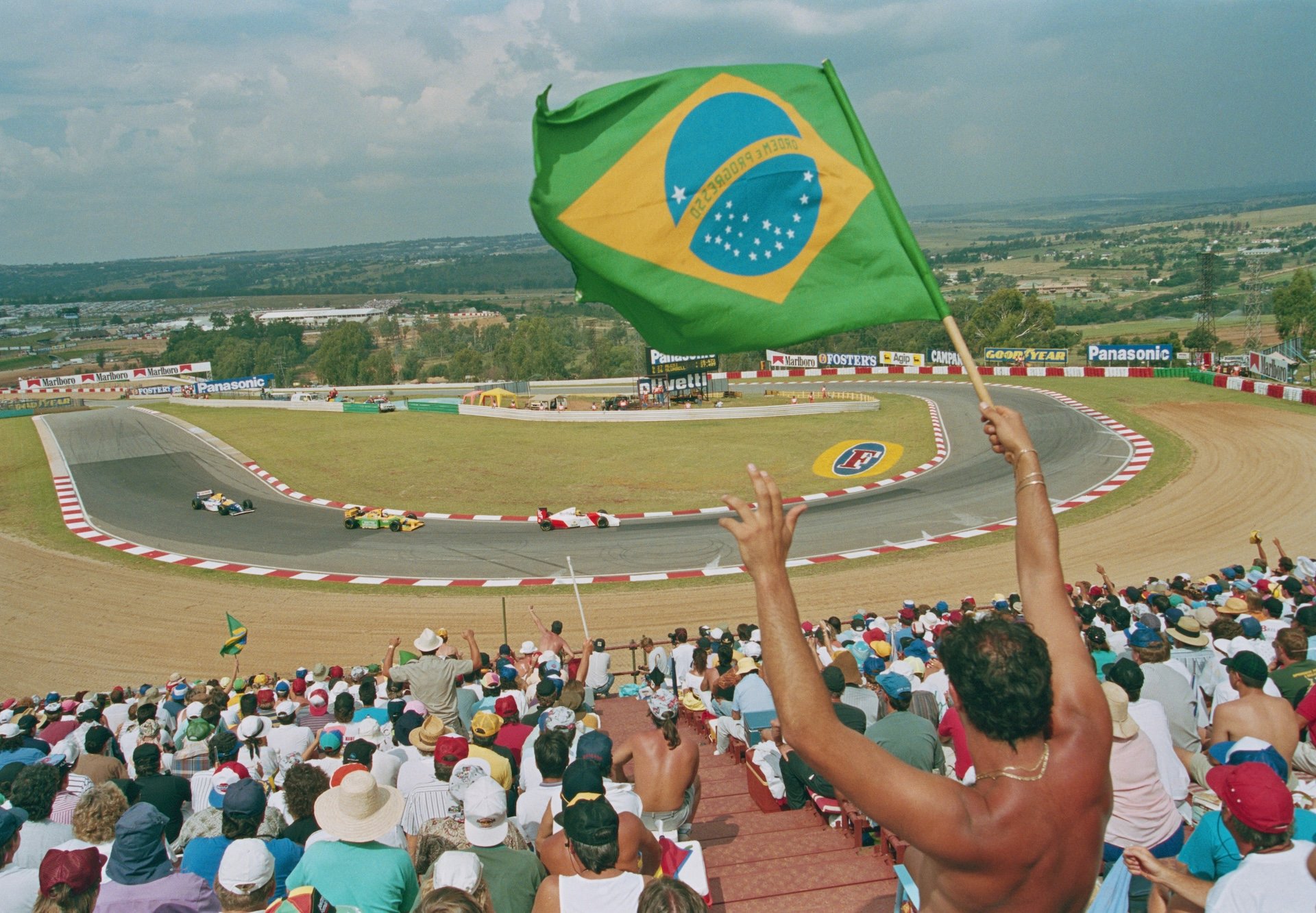
Africa has not hosted a Formula 1 race since 1993, when the South African Grand Prix at Kyalami produced a podium of Alain Prost, Ayrton Senna and Mark Blundell. It has been one of the sport’s most persistent criticisms throughout its recent expansion into the United States, the Middle East and Asia.
The gap has not gone unnoticed by the current grid either. Lewis Hamilton has been the most vocal advocate for a return, and his push predates this announcement by years.
From Kigali to the Grid
Rwanda’s motorsport credentials have grown quickly, and the groundwork for this deal was laid well before Tuesday’s press conference. Kigali hosted the FIA’s annual Prize Giving Ceremony in 2024, where Max Verstappen collected his fourth world title trophy. Last year the city staged the UCI Road World Championships in cycling, demonstrating that it can handle a major global sporting event with the logistics and infrastructure that entails.
Talks between F1 and Rwanda accelerated in 2024, and the combination of a proven events record and a government willing to invest in permanent facilities gave the project credibility that earlier African GP proposals had lacked. The WRC is also returning to the United States in 2027, showing how series are increasingly willing to reopen markets they had previously left behind, though F1’s move into Rwanda follows the same logic on a considerably larger scale.
The Quotes
Kagame was unequivocal about the significance of the moment.
“Today belongs to Africa,” he said at the Kigali press conference. “For more than three decades, the world’s premier motorsport championship has raced without this continent, and that changes with this agreement.”
He was equally clear that the ambition extends beyond race weekend.
“This ten-year partnership is also an investment in Rwanda’s future,” he added. “Our aim was never a single race weekend, but a lasting benefit for our people.”
Domenicali pointed to the commercial case.
“With Rwanda joining the calendar from the next decade, our sport will race in every inhabited continent,” he said. “Africa is home to more than 100 million Formula 1 fans, and that number continues to grow rapidly.”
Ben Sulayem, speaking for the governing body, called it
“a historic moment for our sport and an important step in the continued global growth of motorsport.”
Hamilton, who has campaigned for an African GP for years, welcomed the news after a long campaign behind the scenes.
“For the past six years I’ve been fighting in the background to get a grand prix,” he said. “We’re on every other continent, why not Africa?”
He had previously named Kenya, Rwanda and South Africa as potential host locations.






One Comment