Why ‘Appliance’ Cars Deserve the Applause
Jalopnik recently made the case that normal cars deserve genuine praise, not just the sports cars and classics that dominate magazine covers and auction listings. The site asked its readers to name the best “appliance” vehicle, suggesting a broad set of criteria: price, performance, features, tech, comfort, design, or simply personal preference.
That list is telling. It quietly concedes that the appliance car is judged on a different scorecard to the hot hatch or the grand tourer, and that the best of them are not merely adequate. They are engineered around the ordinary: the school run, the motorway slog, the tip run on a Saturday morning. Getting all of that right, at a price that makes sense, is a harder engineering brief than it sounds. A car that does everything competently and nothing badly is a genuine achievement, even if it never appears on a bedroom wall poster.
The argument also has a practical edge. Most buyers do not have the budget, the driveway space or the tolerance for a second car. Their one vehicle has to be the appliance, so the quality of that appliance matters enormously. A well-judged family hatchback or crossover improves thousands of journeys a year. A brilliant sports car improves a handful.
The 2027 Nissan Rogue Hybrid’s Clever Twist
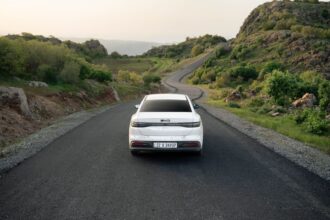
If you want proof that appliance cars are getting more interesting, look at what Nissan has done with the 2027 Rogue Hybrid. A Jalopnik writer has driven the car, and the technical layout is genuinely unusual for the segment.
It is a parallel hybrid, but there is no mechanical connection between the turbocharged petrol engine and the wheels. Instead, the engine acts as a generator, charging a small battery that in turn powers two electric motors. Jalopnik compared the arrangement to a train, which is a neat way of describing a car where the engine’s only job is to make electricity.
That is a meaningful departure from the hybrid layouts most buyers know, where the petrol engine and electric motor can both drive the wheels through a gearbox. Decoupling the engine gives engineers far more freedom over how and when it runs, and it is why the car has been described as one of the most exciting regular cars you can buy and “a giant leap forward in the appliance car space.” Those are strong words for a family crossover, but they point at something real: the appliance class is where a lot of the industry’s most interesting engineering now happens.
The wider strategy behind the car has been under scrutiny too, with the Nissan Rogue Hybrid Strategy and 2026 Buyer Trends coverage on the ANC Podcast picking apart both Nissan’s hybrid plans and the latest vehicle buyer study. It is a reminder that the appliance car is not just an engineering story but a commercial one, shaped by how people actually shop.
Embargoes, Badges and the Question of Availability
Two caveats are worth stating plainly. First, driving impressions of the 2027 Rogue Hybrid are under embargo until 30 October 2025, so the full verdict is not yet public. Treat the early enthusiasm as a signal of intent rather than a finished road test.
Second, the Rogue nameplate is a US-market model. There is no UK pricing or specification to report, and no confirmed European launch. The engineering idea may well travel, but the badge and the timeline are American for now. That market is also where fuel price pain has been most loudly debated: polling suggests 57% of US drivers say high petrol prices have made them more interested in going electric (per the linked AutoPulse report), a theme explored in High Fuel Prices Aren’t Driving Americans to EVs – Here’s Why. Efficient hybrids sit right in the middle of that conversation.
When Ordinary Cars Became Stars
The appliance car has a cultural pedigree that enthusiasts often forget. The most fondly remembered cars in cinema are rarely exotica. They are the cars audiences recognised from their own driveways, which is exactly why they landed.
American Graffiti, released in 1973 and directed by George Lucas, is the obvious starting point. Set in Modesto, California, over one late-summer night in 1962, it put a souped-up ’32 Ford and a ’58 Impala at the centre of the frame, right down to the 30-cent gasoline on the forecourt. Lucas was a cruiser and racer who had a serious crash just before his high school graduation, and the film carries that lived-in authenticity. It was a major hit that fuelled a lasting interest in 1950s cars and culture.
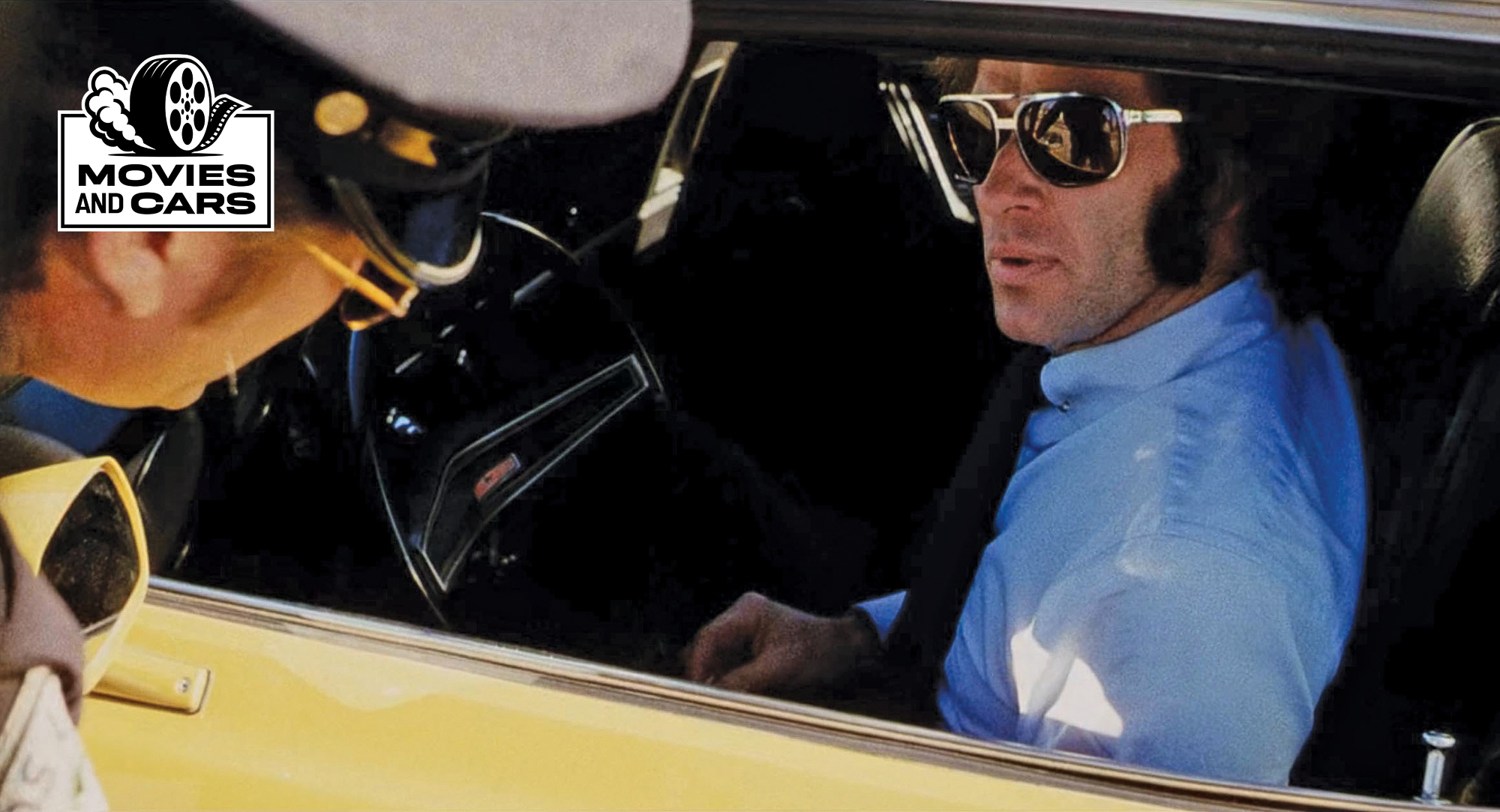
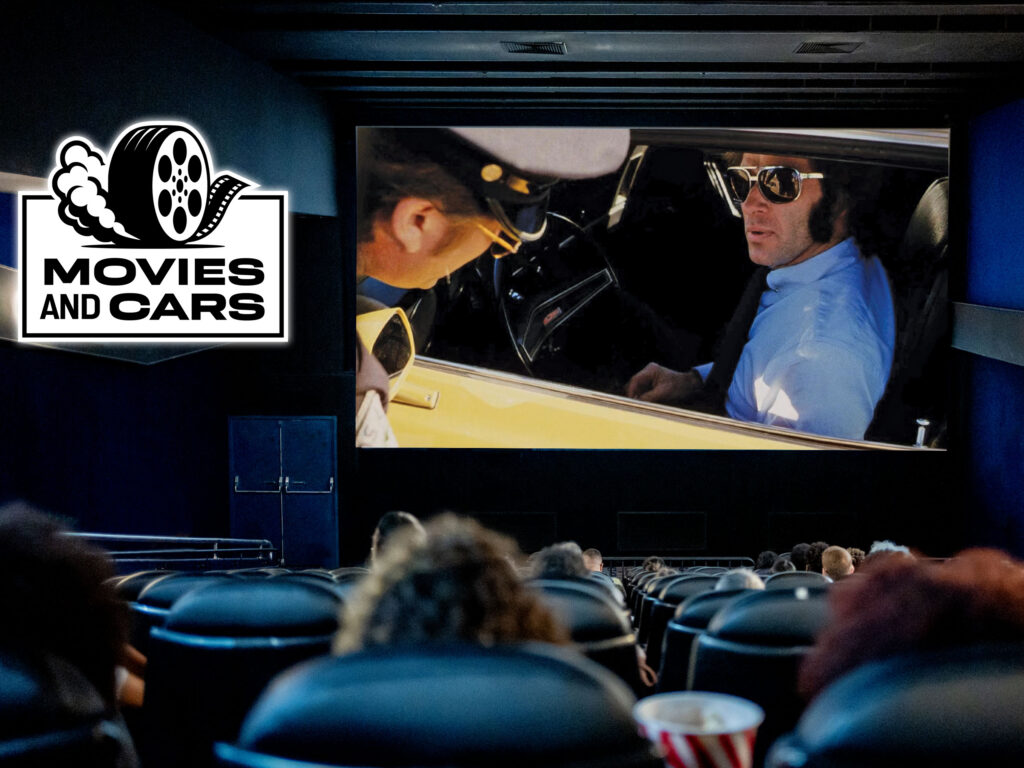
Then there is the original Gone in 60 Seconds, released in 1974 and directed by and starring H.B. “Toby” Halicki. The plot follows Maindrian Pace, an insurance adjuster and chop-shop operator paid to steal 48 high-end cars in five days, with each car given a woman’s name as a code. Eleanor, the star, was a yellow ’71 Mustang SportsRoof dressed to look like a ’73 Mach 1. Two cars were built: a stunt car modified with a full NASCAR roll cage, a transmission welded to the frame, individual rear locking brakes and a three-inch steel skid plate for a 128-foot jump, plus a near-stock car for interior shots that survives to this day. A remarkable 93 cars were wrecked or heavily damaged during filming, much of it shot without permits, often on Sundays. The film is cited as pioneering big-screen crashes, chases and pileups, influencing Smokey and the Bandit, Mad Max, To Live and Die in L.A., Ronin and The Blues Brothers.
Two-Lane Blacktop, released in 1971 and directed by Monte Hellman, completed the trio, starring James Taylor, Warren Oates, Laurie Bird and Dennis Wilson. Ordinary cars, extraordinary screen presence.
The Verdict: Judge It on the Recommendation Test
So what separates a well-judged normal car from a forgettable one? Start with running costs. Fuel economy, insurance groups, VED and servicing intervals decide whether a car feels like good value three years in, long after the showroom shine has worn off. Comfort comes next: seats that survive a four-hour motorway run, suspension that copes with broken B-roads, and a driving position that does not punish tall or short drivers. Then there is tech that actually works: a touchscreen that responds, climate controls you can find without looking down, and driver assistance that assists rather than nags. The appliance car lives or dies on these small interactions, repeated daily.
The broader market is shifting under all of this. Petrol cars have just slipped below half of global sales for the first time in a century, a milestone covered in Petrol Cars Slip Below Half of Global Sales for the First Time in a Century (see linked report for sourcing), which notes that in the early 1900s steam and electric cars actually outsold petrol in the US. The default is changing, and the appliance car is where that change will be felt first.
The best appliance cars share one quality: people recommend them without hesitation. Not with a caveat about the boot, not with an apology for the badge, but plainly and immediately. That is a harder test than any spec sheet, and it captures everything the criteria miss.
If you are judging one on your own shortlist, borrow the Jalopnik framework. Ask what it costs to buy and run, whether the tech works on a bad morning, whether the seats hold up on a long drive, and whether you would happily lend it to a friend for a week. Answer those honestly and you will land on the right car. The appliance class may never get the poster, but it earns the driveway.