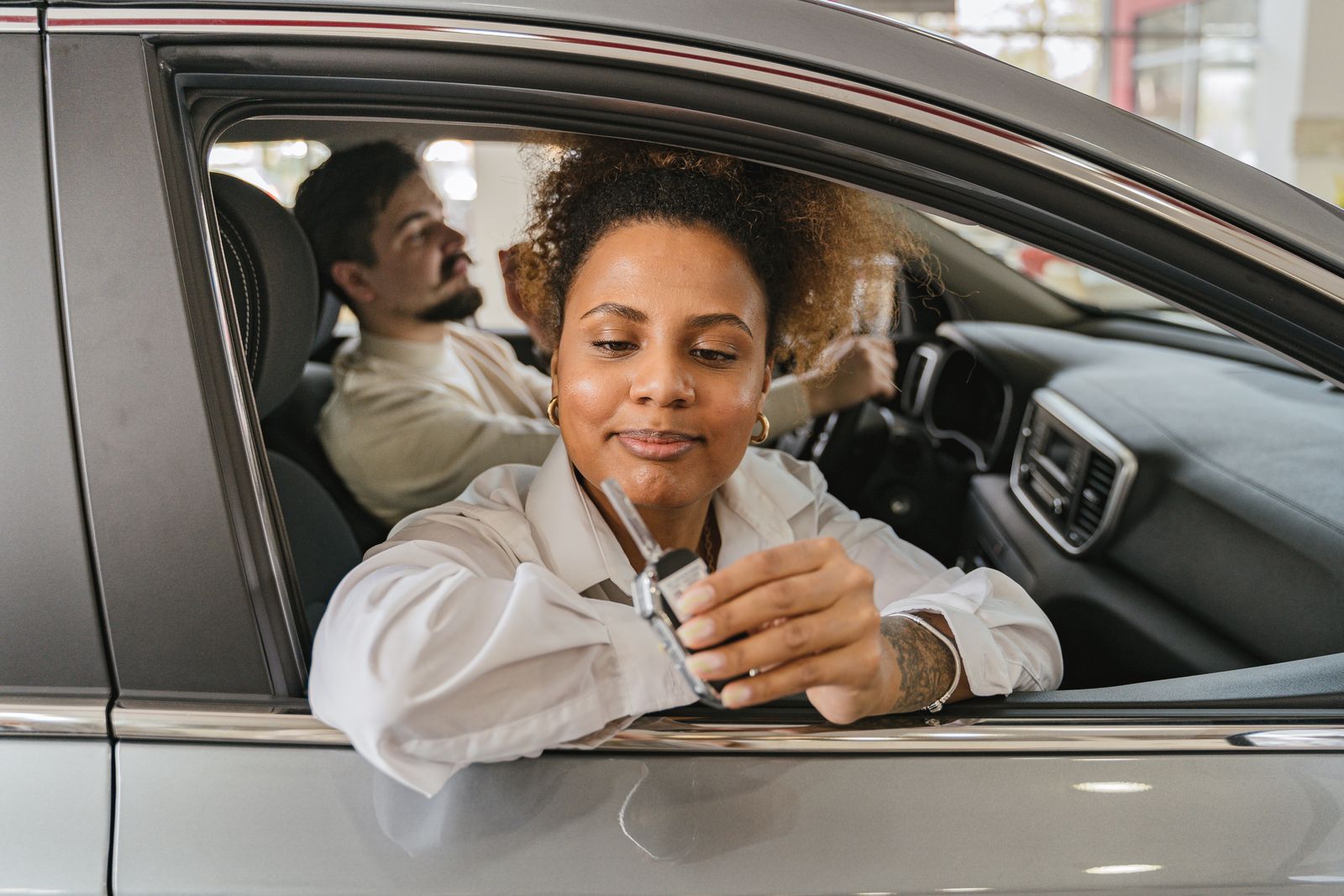
What does ‘change car ownership’ actually mean?
The phrase covers more ground than most people realise. It can mean buying or selling a used car, where money changes hands and the V5C is updated. It can mean transferring a car between family members, often as a gift with no payment involved. It can mean adding or removing a named driver, which changes who is insured rather than who owns the car. It can mean updating the V5C after fitting a private plate, because the registration number on the log book has to match reality. And it can mean ending a PCP or lease agreement, where the car goes back to a finance company and the registered keeper changes.
Each scenario has different paperwork, but they all revolve around one document: the V5C.

The DVLA V5C log book: the document at the heart of any ownership change
The V5C, officially the V5C Registration Certificate, records the vehicle’s registered keeper and key details: make, model, colour, engine size, registration number and the keeper’s name and address. It is not proof of ownership in law, but it is the document the DVLA uses to track who is responsible for the vehicle, which is why every ownership change runs through it.
The DVLA now processes most keeper changes online through its online keeper change service, and the service is quick. When you sell, you can update the record digitally using the reference number from the V5C, and the new keeper is recorded almost immediately. Postal changes still work and are the fallback when the online service will not accept your details. If the V5C is lost, damaged or never arrived, apply for a replacement using form V62. It costs £25 at the time of writing (check the latest DVLA fee), and you will need the vehicle’s registration number and, ideally, the document reference if you have it.
If the details on the V5C are wrong, correct them rather than ignoring them. A mismatched address can mean you miss a tax reminder or, worse, receive a penalty for a car you sold months ago.
Selling a car and transferring ownership: step by step
Selling privately puts the paperwork on you. Here is the sequence that keeps you covered.
First, complete the seller’s section of the V5C, including the new keeper’s name and address, the date of sale and your signature. Then choose one of two mutually exclusive routes. Either notify the DVLA online, using the reference number from the V5C, in which case you post nothing. Or complete the V5C by hand, tear off the new keeper slip (section 10) and hand it to the buyer, then post the rest of the V5C to the DVLA. The new keeper slip only exists on the postal route; the online service emails the buyer a confirmation instead. Do this the day you sell. The DVLA treats the date you notify as the date your responsibility ends, and delays can land you with a tax bill for a car someone else is driving.
Then cancel your insurance. Most policies will not cover a car you no longer own, and leaving it running is a waste of money. If you have paid annually, ask about a pro-rata refund. Vehicle tax is handled automatically when the DVLA records the change of keeper, as explained in the tax and insurance section below. Keep a record of the sale: the buyer’s details, the date, the mileage and a signed receipt. It is not a legal requirement, but it is invaluable if a parking fine or speeding notice arrives weeks later.

Buying a used car: checking and completing the ownership change
As the buyer, your first job is verifying the V5C before any money moves. Check that the name and address match the seller, that the vehicle details match the car in front of you, and that the document is the latest issue. A V5C marked “duplicate” is not automatically a red flag, but as a rule of thumb it is worth asking why. Then run a history check for outstanding finance. If a car is still on a PCP or HP agreement, the finance company owns it until the settlement is paid, and you could lose the car even after paying the seller.
Once you are satisfied, complete the new keeper section with your details and keep the new keeper slip if the seller is using the postal route. Tax the car before you drive it away, because vehicle tax does not transfer between keepers. You can do this online using the reference number on the new keeper slip, or the confirmation the seller received if they notified the DVLA digitally, and you will need valid insurance in place first. Arrange cover before collection day rather than trying to sort it in the seller’s driveway.
Transferring a car between family members or as a gift
When no money changes hands, the process is largely the same. The V5C still needs updating, and the DVLA still needs to know who the new keeper is. Complete the change online or by post exactly as you would for a sale, and note in the relevant box that the vehicle has been gifted or transferred rather than sold.
There is no gift tax in the UK, so you do not owe HMRC anything for handing a car to a relative. The tax position changes if the car is sold later, but the transfer itself is not a taxable event. Insurance is the bigger issue. The new keeper cannot simply carry on driving under the previous owner’s policy unless they are a named driver and the insurer agrees. In most cases the new keeper needs their own policy from the day of transfer. Tell the existing insurer immediately, because cover for the previous owner should end when their interest in the car does.
Private number plates and ownership changes
A private registration is an asset in its own right, and it does not automatically travel with the car unless you intend it to. If you are selling a car and keeping the plate, you need to retain it first. Apply to retain the number using form V778, which currently costs £80 according to DVLA guidance, and the DVLA will issue a retention document valid for ten years. You can then assign it to another vehicle or hold it until you are ready.
If the plate is staying with the car, the V5C must show the correct registration before the sale completes, and the buyer’s new V5C will carry it. If you are transferring a plate onto a car you have just bought, do the assignment after the keeper change is recorded, not before, or the paperwork will not match. The fee to assign a retained number to a vehicle is £80 per DVLA.
Insurance, finance and tax when ownership changes
Insurance does not transfer between owners. The seller should cancel and claim any refund, and the buyer must arrange cover before driving. If you are mid-term on a PCP or HP agreement and want to sell, request a settlement figure first. You can only sell cleanly once the finance is cleared, and the buyer should see proof of settlement. Ending a PCP early usually means paying a termination fee, so check the terms before you commit.
Vehicle tax is cancelled the moment the DVLA records a keeper change, and the seller receives a refund for any full months remaining. The buyer must tax the car before driving it, even if the seller had paid annually. Driving without tax can mean a fine, and the DVLA’s automatic number plate recognition cameras do not care that you thought it carried over.
Common mistakes and how to avoid them
The most expensive error is failing to notify the DVLA. If the record still shows you as keeper, you remain liable for tax, penalties and notices. Notify online the day you sell and keep the confirmation.
Letting a buyer drive away without insurance is another classic. It is the buyer’s responsibility, but a seller who hands over keys to an uninsured driver can face awkward questions if something goes wrong. Wait until they confirm cover.
Forgetting to cancel insurance costs money rather than causing legal trouble, but it adds up. And failing to keep the new keeper slip, or the seller’s half of the V5C, leaves you without evidence if a dispute arises later. Photograph everything before it leaves your hands.
Frequently asked questions about changing car ownership
How long does the DVLA take? Online keeper changes are typically processed quickly, often the same day. Postal applications can take several weeks, and a replacement V5C may take up to six weeks.
Can I sell a car without a V5C? It is legal but difficult. Buyers are rightly wary, and you will need to apply for a replacement V62 first. Note that without a V5C you cannot give the buyer a new keeper slip, so they cannot tax the car until the replacement arrives. Expect a lower price if you sell without one.
What if the buyer does not transfer ownership? If you notified the DVLA online or by post, your responsibility ends on the date you stated. Keep your confirmation. If you did not notify, do it now and explain the delay.
Do I need to tell my insurer when I sell? Yes. Cancel or transfer the policy, and do not assume it lapses automatically.
Does changing ownership affect an MOT? No. The MOT stays with the car until it expires, whatever the keeper change.