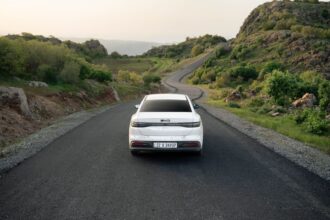
A Korean Luxury Brand with Global Ambitions
Genesis began life inside Hyundai. The first Genesis was an upmarket saloon unveiled in 2008, a rear-wheel-drive executive car intended to prove the Korean manufacturer could build something to rival the established premium class. It worked well enough that Hyundai spun Genesis off as a standalone luxury brand in 2015, with its own design language, its own showrooms and its own model naming.
That is a rare move in the car industry. Toyota created Lexus in 1989, Honda created Acura in 1986, and Nissan created Infiniti the same year. Genesis is the newest of that club, and it has had to earn credibility quickly. Its approach has been to compete on substance: rear-wheel-drive platforms, strong powertrains, long warranties and a service model built around convenience rather than showroom theatre.
The brand’s global ambitions are real. It sells across Korea, North America, the Middle East, Europe and Australia, and it has expanded into the UK with a small but focused range. What matters for buyers is that Genesis is no longer a curiosity. It is a fully formed premium marque with a coherent lineup.
The Range Explained: Saloons, SUVs and Electrified Models
The Genesis range is built around two families: saloons badged G and SUVs badged GV.
- G70: The entry point, a compact executive saloon aimed at the BMW 3 Series and Mercedes-Benz C-Class. It is the driver’s car of the range, available with petrol powertrains and, in some markets, a 3.3-litre twin-turbo V6.
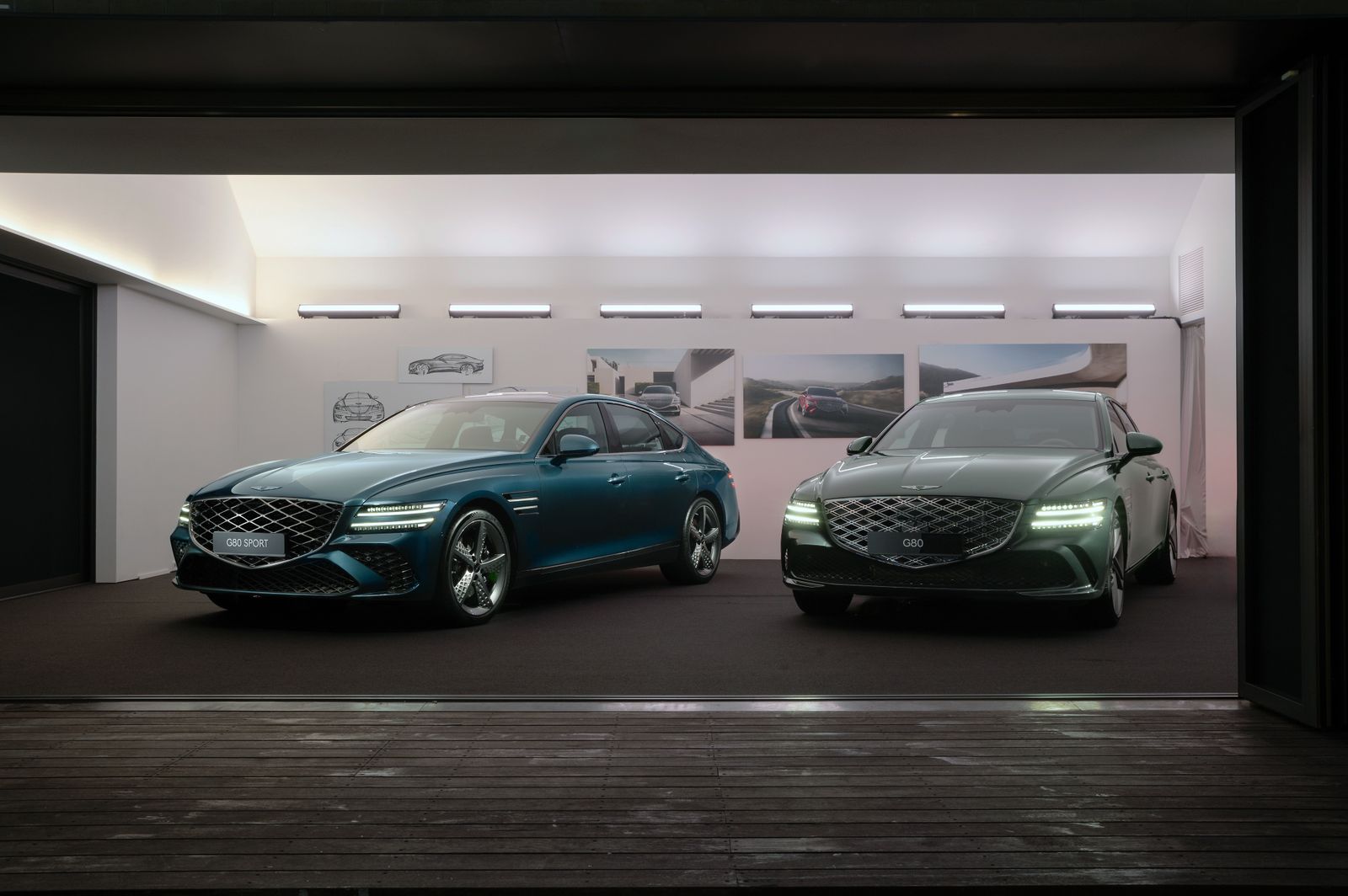
- G80: The mid-size executive saloon, competing with the BMW 5 Series and Audi A6. It majors on refinement and rear-seat comfort, with a choice of turbocharged four-cylinder and six-cylinder engines.
- G90: The full-size flagship saloon aimed at the Mercedes-Benz S-Class and BMW 7 Series. It showcases everything Genesis can do, from reclining rear seats to active suspension that reads the road ahead.
- GV70: The volume model, a mid-size SUV that has won widespread praise for its interior quality and driving manners.
- GV80: The larger, seven-seat flagship SUV.
- GV60: The brand’s dedicated electric crossover, built on the same platform family as the Hyundai Ioniq 5 and Kia EV6.
Electrified variants sit across the range. The Electrified G80 and Electrified GV70 offer all-electric versions of existing models, while the GV60 is electric only. Genesis has also offered plug-in hybrid versions of some models in selected markets.
Design and Technology: What Sets Genesis Apart
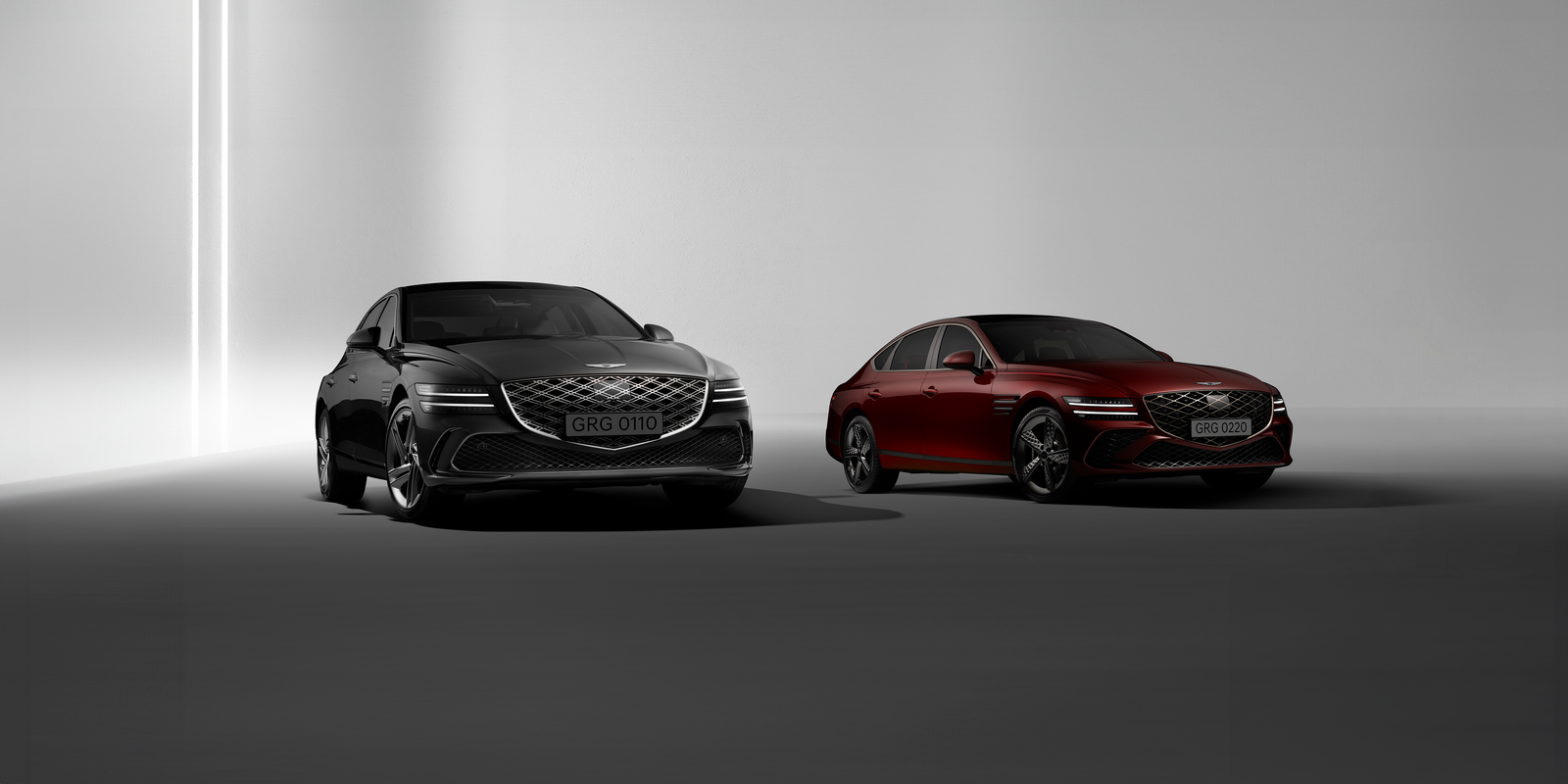
Genesis design is built around what the brand calls Athletic Elegance, and the most recognisable element is the two-line lighting signature. Two thin horizontal strips at the front and rear give every Genesis an instantly identifiable face, and the crest grille adds presence without the aggressive styling some rivals favour.
Inside, the approach is restrained rather than showy. Expect high-grade materials, clean horizontal dash layouts and physical controls where they make sense. The brand has leaned into sustainability too, offering interior trim made from recycled and bio-based materials in some models.
Technology is generous. A wide infotainment display, digital instruments and a comprehensive suite of driver assistance systems are standard across much of the range. Genesis also offers features such as a surround-view monitor, blind-spot view monitor and highway driving assistance that are often optional extras on German rivals.
The ownership proposition is where Genesis has been most distinctive. The brand has built its reputation on what it calls the Genesis Experience, which includes complimentary servicing for a set period in several markets, a valet service where a Genesis representative collects and returns the car for servicing, and a loan car during work. It is a direct challenge to the assumption that premium brands can charge premium prices for basic courtesy.
How Genesis Compares to Established Rivals
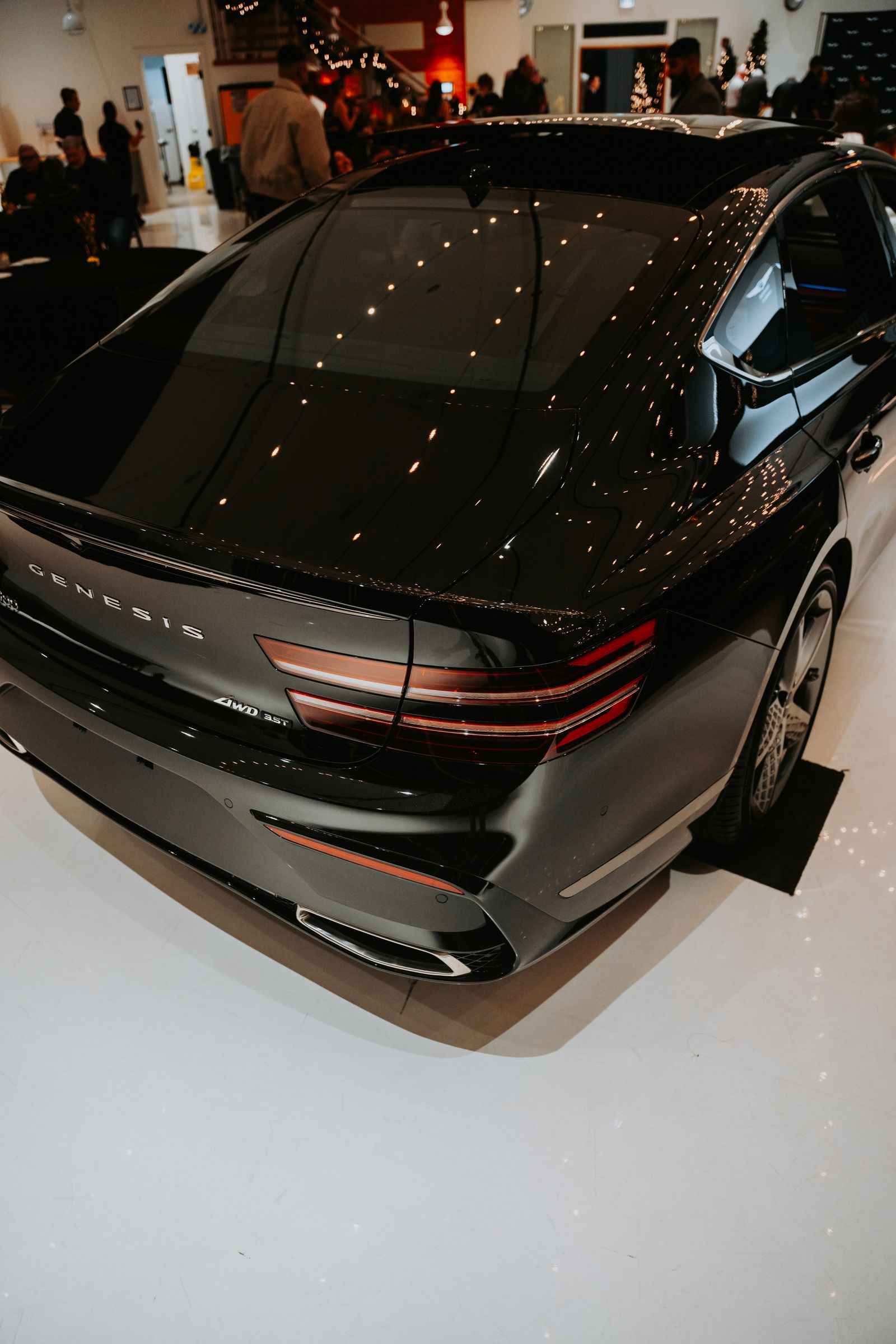
Against Audi, BMW and Mercedes-Benz, Genesis plays a value card without feeling cheap.
Pricing and equipment. Genesis models typically undercut equivalent German cars on list price while carrying more standard equipment. Where a BMW 5 Series buyer might pay extra for a premium sound system or advanced driver assistance pack, a G80 buyer often finds those features included.
Warranty. Genesis has offered a five-year unlimited-mileage warranty in several markets, which compares favourably with the three-year warranties that were standard at Audi, BMW and Mercedes-Benz for years. In the UK, the brand has offered a five-year warranty with roadside assistance and servicing packages. [Source: Genesis UK]
Ownership experience. The valet servicing model is the standout. Rather than booking a car in and arranging a lift to work, owners in supported markets can have the car collected and returned. That convenience is a genuine differentiator against the German status quo.
Against Lexus. The closest philosophical rival is Lexus, which built its reputation on reliability and customer care. Genesis matches that emphasis while offering more distinctive design and, in several models, sharper driving dynamics.
The honest caveat is residual values and badge cachet. A Mercedes-Benz still holds value and social currency that Genesis cannot yet match, and that affects PCP and leasing costs. Buyers who change cars every three years on finance should look closely at monthly payments rather than list price alone.
UK Availability and Ownership
Genesis launched in the UK in 2021 with a deliberately small range and a different retail model. Rather than a large dealer network, the brand has used a combination of boutique retail spaces and online ordering, with servicing handled through a network of authorised partners.
The UK lineup has centred on the G70, G80, GV70, GV80, GV60 and Electrified GV70, with availability varying by model year. UK pricing sits in the premium bracket but generally undercuts comparable German models once equipment is matched. Buyers should check current OTR prices and specifications with Genesis directly, as the range and pricing have been revised since launch.
The UK operation has been honest about its scale. Genesis has not pretended to have a dealer on every high street, and the valet collection model is designed to make that less of an issue. For buyers near a retail space or within the servicing catchment, the ownership experience is straightforward.
The Future of Genesis: Electrification and Beyond
Genesis has committed to an electric future. The GV60 was the brand’s first dedicated EV, and the Electrified GV70 and Electrified G80 followed. The brand has said it will launch only new electric models from 2025 in some markets, with a full electric lineup targeted by 2030, though timelines have shifted as demand patterns change. [Source: Genesis press release]
The GV60 showcases the brand’s technical ambition, with an 800-volt architecture allowing rapid charging, a boost mode for extra acceleration and vehicle-to-load capability for powering external devices. It shares its underpinnings with the Hyundai Ioniq 5 and Kia EV6, which have been widely praised, giving Genesis a strong base to build on.
Sustainability is part of the pitch too, with recycled materials, leather alternatives and a focus on reducing the environmental footprint of production. Whether buyers weight that heavily is debatable, but it aligns Genesis with where the premium market is heading.
The brand is also investing in driver assistance and software, an area where the industry’s language is under scrutiny. Tesla Renames Full Self-Driving to ‘Tesla Assisted Driving’ in Europe After German Pressure illustrates how carefully manufacturers must now describe these systems. Genesis has been more conservative in its claims, which is no bad thing for buyer trust.
Should You Consider a Genesis? A Buyer’s Verdict
Genesis makes a strong case, but it is not for everyone.
The case for. Distinctive design that stands out in a car park full of German saloons. Generous standard equipment that makes option list arithmetic less painful. A long warranty and a servicing model built around convenience. Strong build quality and, in the GV70 and GV60, genuinely competitive driving dynamics.
The case against. A small dealer footprint and a badge that still lacks the resale strength of Audi, BMW or Mercedes-Benz. Model availability can be limited, and the brand’s rapid evolution means specifications change. Buyers planning to sell after three years should check residual values carefully.
The verdict is straightforward. If you buy with your head and value equipment, warranty and service over badge prestige, Genesis deserves a test drive. If you buy with your heart and want the reassurance of a familiar German badge on the drive, the established order still has its pull. Either way, Genesis has earned its place in the conversation, which is more than most new luxury brands manage.
We covered bmw used cars smart in more detail elsewhere.