The small bike that runs the world
Look at the traffic in almost any Asian city and the picture is consistent. Honda Click and CG125 scooters and commuters, Hero Splendor commuters, Yamaha NMAX and YBR125 machines threading through congestion. These are not hobby vehicles. They are delivery vans, grocery getters, school buses and work tools, and they underpin daily life for a vast share of the global population.
The CG125 in particular has become a byword for indestructible basic transport, a design so simple it has been built and rebuilt across decades and continents. The Splendor occupies a similar place in India, where fuel economy is measured in fractions and reliability is everything. This is the machinery that actually moves people, and it does so on tiny amounts of fuel.
Why 125cc suits electrification so neatly
Here is the part that should make any engineer sit up. A typical 125cc motorcycle produces a modest 10 to 15 horsepower, or roughly 7.5 to 11 kW. It cruises comfortably at 45 to 60 mph. Most owners cover short daily distances measured in dozens of miles, not hundreds.
That duty cycle is almost perfectly matched to battery-electric propulsion. A modern electric motorcycle with a 4 to 6 kWh battery can cover the same journeys while offering smoother acceleration, quieter operation, far less maintenance and dramatically lower running costs. There is no complex gearbox, no oil changes, no chain lube ritual every few hundred miles. For a delivery rider doing 60 miles a day, the running-cost arithmetic is compelling: a handful of kWh overnight against a tank of petrol every few days.
The engineering challenge is not performance. It is packaging a battery and motor at a price point that undercuts or matches a combustion 125, which in many markets sells for the equivalent of a few thousand pounds or less. That is a hard commercial problem, but it is not an impossible one.
The efficiency argument is overwhelming
Combustion 125s are already remarkably frugal. A typical example returns somewhere around 100 mpg (roughly 2.8 litres per 100 km). That is the benchmark the electric equivalent has to beat, and it does so comfortably.
An electric bike of similar performance would use roughly 4 to 6 kWh per 100 km. Put in the simplest terms, that is almost absurdly efficient. No car, electric or otherwise, gets close. A typical electric car consumes several times that energy per mile travelled, largely because it weighs far more and pushes a much larger frontal area through the air.
This is the uncomfortable truth at the heart of the transition. The vehicle class with the best energy efficiency in history is also the one receiving the least electrification investment. Range anxiety is a real consideration for anyone switching, as a look at the longest-range electric motorcycles of 2026 makes clear, but for a 125-class commuter the daily requirement is modest. The battery does not need to be enormous. It needs to be affordable.
The gap in the market
In North America, the electric motorcycle market has developed in an odd direction. It began with electric bicycles aimed at urban commuters, then jumped almost straight to premium machines costing $15,000 to $25,000. Between those two poles lies a practical middle that has been left largely empty: a genuinely useful, genuinely affordable electric equivalent of the 125.
That gap is not just a product problem. It is a signal about where the industry believes the money is. Startups chasing wealthy early adopters and headline-grabbing performance figures have dominated the narrative, while the most common form of motorised transport on earth waits for a credible electric option.
There are signs of movement. The funding rounds and record attempts keep coming, as the latest electric motorcycle news, from the NOVUS One funding boost to Zero’s 271-mile world record, illustrates, and some of that capital is starting to look beyond the superbike end of the market.
The models signalling change
A handful of machines show what demand for lighter, more affordable electric two-wheelers actually looks like. None is currently a UK-market machine, so treat them as evidence of direction rather than shopping list.
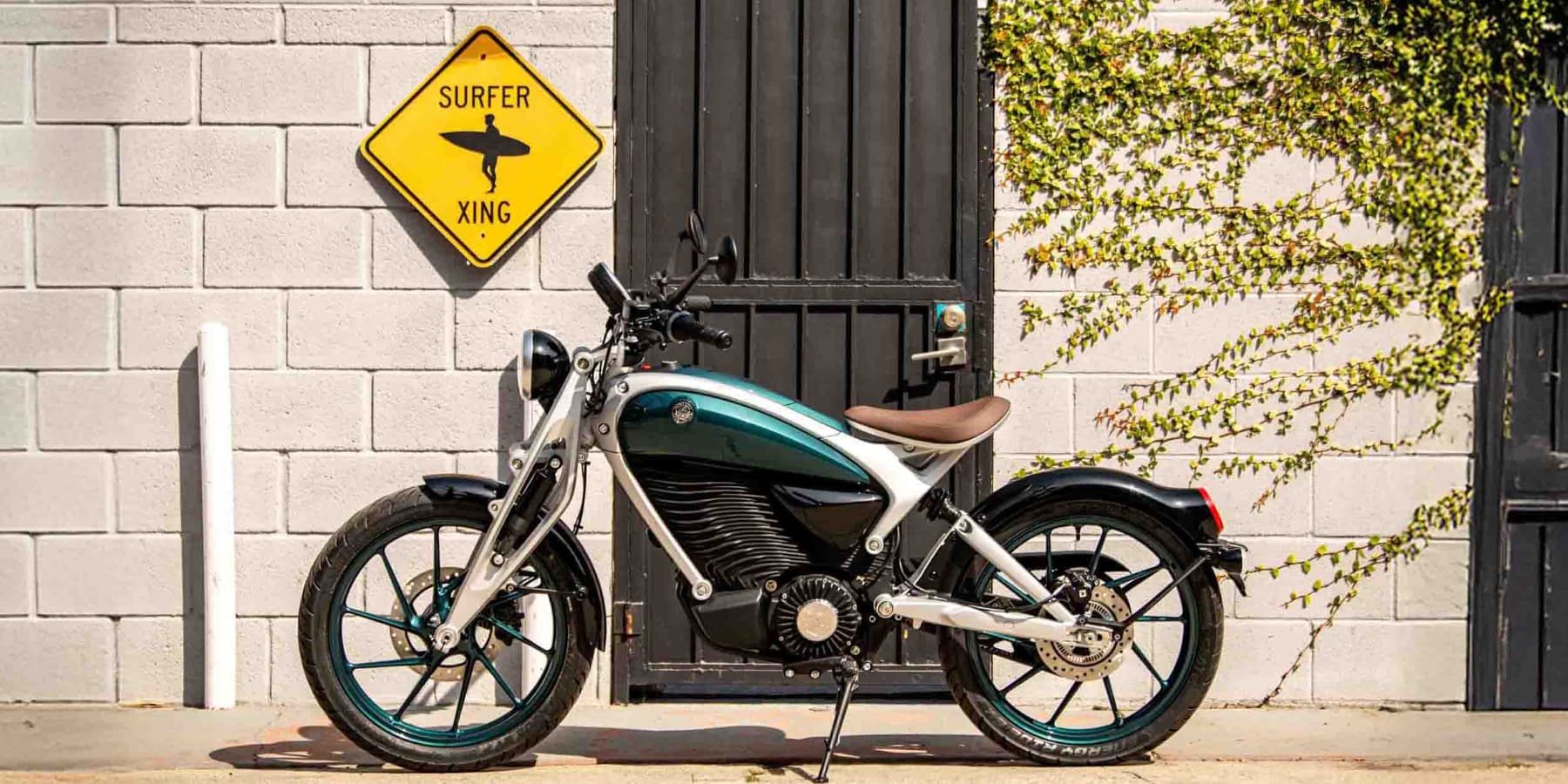
The ONYX RCR has become a cult favourite, proving there is an appetite for lightweight, motorcycle-like electric transport without superbike performance or a superbike price.
The Ryvid Anthem adds highway capability while remaining approachable and relatively affordable, a useful bridge between urban runabout and genuine commuter.
The LiveWire S4 Honcho is an encouraging step from a brand that could easily have confined itself to oversized premium bikes. It points towards a lighter, more practical machine rather than another statement piece.
The Infinite Machine Olto sits in a slightly different category, but it demonstrates the same underlying interest: practical urban two-wheelers that prioritise transport over horsepower.
None of these is a true 125 replacement at a 125 price, at least not yet. But together they suggest the market is beginning to remember that most riders want a vehicle, not a trophy.
Horsepower versus transport
There is a telling line in the argument for small electric bikes: people do not necessarily need 100 horsepower. Many simply need transportation. That sentence cuts to the heart of the industry’s blind spot.
The premium end of the electric motorcycle market is full of impressive engineering aimed at a small audience. Meanwhile, the rider who needs to get to work, carry a delivery box or fetch supplies has been largely overlooked. The industry loses something by ignoring this class: volume, relevance and the chance to decarbonise the highest-mileage, lowest-energy form of motorised transport on the planet.
The case for the electric 125, with caveats attached
Battery capacities, efficiency numbers and performance claims vary considerably between models and manufacturers, and the 125 class spans everything from a basic commuter to a sporty lightweight.
It is also worth saying plainly that electric pickups and SUVs have their place. Buyers who need to tow, carry or cover long distances have legitimate requirements, and the startups building those vehicles deserve to succeed. The argument here is not that they should not exist. It is that the enormous attention and capital flowing towards them has crowded out a far more consequential opportunity.
The electric 125 is the EV the world actually needs because it is the vehicle the world actually uses. It asks for a modest battery, delivers extraordinary efficiency and would improve air quality and running costs for hundreds of millions of riders. The technology is ready. What is missing is the will to build it at a price people can pay. When someone finally does, the results could reshape everyday transport far more profoundly than any electric pickup ever will.
For more on this, see world important motor shows.