
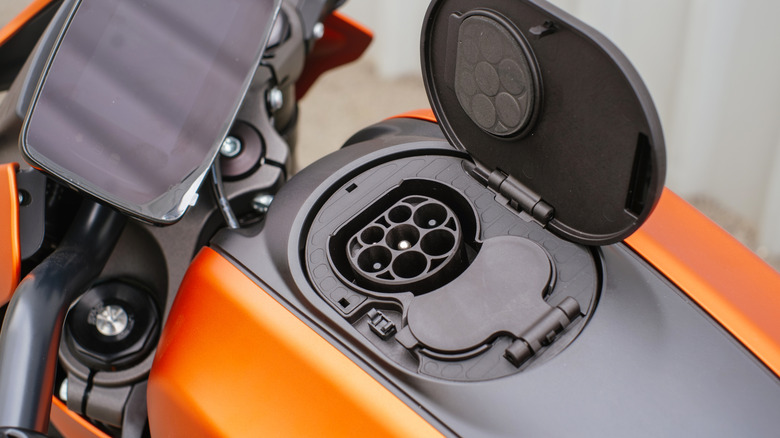
Range anxiety is not just a car problem. For motorcyclists weighing up a switch to electric, the distance a bike can cover on a charge remains the single biggest question, and the answers manufacturers give are rarely as straightforward as they first appear. The 2026 crop of electric motorcycles is finally delivering mileage that makes sense for more than just the daily commute, but the numbers quoted in the brochures can vary enormously depending on how they were measured.
That is the problem this comparison sets out to solve. Some brands quote city range, others quote a combined figure, and a few quote both without making clear which is which. To cut through the marketing, we have ranked the 2026 class on one consistent measure: manufacturer-published city range, using factory battery configurations only. The result is a clearer picture of how these machines actually compare, and where the real-world limits lie once you leave town.
Electric Motorcycle Range Compared: How We Ranked The 2026 Class
Two figures dominate electric motorcycle specifications. City range is the more generous of the two, measured in favourable urban conditions with lower speeds, frequent stops and gentler throttle use. The combined figure, usually based on the World Motorcycle Test Cycle (WMTC), blends urban, rural and motorway running and therefore lands noticeably lower.
For consistency, this ranking uses city range throughout. That means no optional range extenders, no prototypes and no unreleased machines with a “coming year-end 2025” banner attached. Every bike here is a production model with a factory battery, and every figure comes from the manufacturer itself.
It is worth remembering that WMTC combined figures are typically 15 to 20 per cent below the city claim. Where a manufacturer publishes both, we have noted the gap, because it is often the more honest guide to what a rider will see over a mixed week of use.
LiveWire S2 Mulholland: 120 Miles Of City Range
LiveWire, the electric brand spun off from Harley-Davidson into a separate entity, tops this list with the S2 Mulholland. It claims 120 miles of city range, backed by 84 bhp and a top speed of 99 mph. On paper, that is a genuinely usable electric roadster rather than a toy.
The catch arrives when you hold a steady cruise. At a constant 55 mph, that 120-mile figure falls to around 70 miles. It is the same story that has played out across the electric car market for years, and it explains why range claims deserve close reading.
For a rider whose week is built around town, the Mulholland’s city figure is realistic. For anyone eyeing a longer weekend run, the 55 mph number is the one to plan around. LiveWire has positioned the bike as a sporty roadster with genuine performance, and the acceleration matches that intent, though the range trade-off is unavoidable at speed.
LAND District: Swappable Batteries And 110 Miles
The LAND District takes a different approach entirely, and the battery strategy is the place to start. The District runs swappable packs in several sizes, all chargeable indoors from a standard household outlet, with a traditional charging station available via an adapter. The largest pack weighs around 33 kg, which is a serious lift, but the modular concept means a rider can in theory keep a spare charged and ready rather than waiting at a public point.
On range, the American brand quotes between 110 and 120 miles depending on which page of its own website you read, so we have used the more conservative 110-mile figure here. That the manufacturer cannot settle on a single number is itself a useful illustration of how loosely these claims are drawn.
The District also offers four distinct ride modes, each limiting speed to a different threshold. The most restrictive caps out at just 22 mph, while the most permissive allows 70 mph. LAND quotes a top speed of 75 mph, which looks optimistic given the mode structure, but the flexibility on offer is real. For riders in flats or houses with easy access to a socket, the swappable design sidesteps one of the biggest frustrations of electric ownership.
Can-Am Pulse: The Urban Runabout At 100 Miles City
Can-Am has built the Pulse for the city and does not pretend otherwise. It is the most accessible entry point into the class, and it is refreshingly honest about its limits: nobody buying one should expect to cross a county without planning a charge.
On range, the Pulse brings up the rear of this list with an estimated 100 miles of city range and a combined WMTC figure that drops to 80 miles. Performance is brisk rather than startling: 47 bhp, 0 to 60 mph in 3.8 seconds and a top speed of 80 mph. For a rider whose journeys rarely exceed 30 miles in a day, the 80-mile combined figure is more than adequate, and the bike’s instant electric torque makes it well suited to stop-start city traffic.
What These Figures Mean In Practice
City range is measured in favourable conditions, and those conditions rarely hold for long. Motorway cruising is the biggest drain, because aerodynamic drag rises sharply with speed and electric motors are at their least efficient when held at a constant high rpm. Cold weather reduces usable battery capacity. Hills, luggage, a pillion and a heavy right hand all take their bite as well.
That is why the LiveWire’s 70-mile figure at a steady 55 mph is arguably the most telling number in this comparison. It is the closest thing to a real-world touring estimate on the list, and it shows how quickly a 120-mile claim can halve once you leave the urban environment that flattered it.
It is a pattern familiar from the wider performance world. The 186 mph handshake between the Super Blackbird, Hayabusa and a Japanese gentleman’s agreement showed how manufacturer claims and real-world capability do not always align, and the same caution applies here. Electric motorcycles are simply at an earlier stage of that curve.
The Verdict: Which Electric Motorcycle Goes Furthest In 2026
On the numbers as published, the LiveWire S2 Mulholland takes the range crown with 120 miles of city range, backed by the strongest performance figures in the group. It is the only bike here that could plausibly handle a longer trip with careful planning, provided the rider accepts the drop to around 70 miles at a steady cruise.
The LAND District wins on flexibility. Its 110-mile city figure is competitive, though it is worth repeating that this is the lower of the brand’s own two published numbers, and the swappable battery design offers a practical workaround for riders without easy access to fast charging. The 22 mph to 70 mph ride-mode spread is unusual, but it gives the District a genuinely broad character.
The Can-Am Pulse finishes last on range but first on accessibility. At 100 miles city and 80 miles combined, it is an urban machine through and through, and it does not pretend otherwise.
The wider context is that battery technology and charging infrastructure are both improving quickly, and electric motorcycles are moving through the same period of rapid change that has reshaped the car market over the past decade.
For now, the 2026 class offers three credible answers to the range question: go furthest with LiveWire, go flexible with LAND, or go affordable with Can-Am. None of them will tour like a petrol bike yet, but the gap is closing with every model year.
Related: range rover sport electric.




One Comment