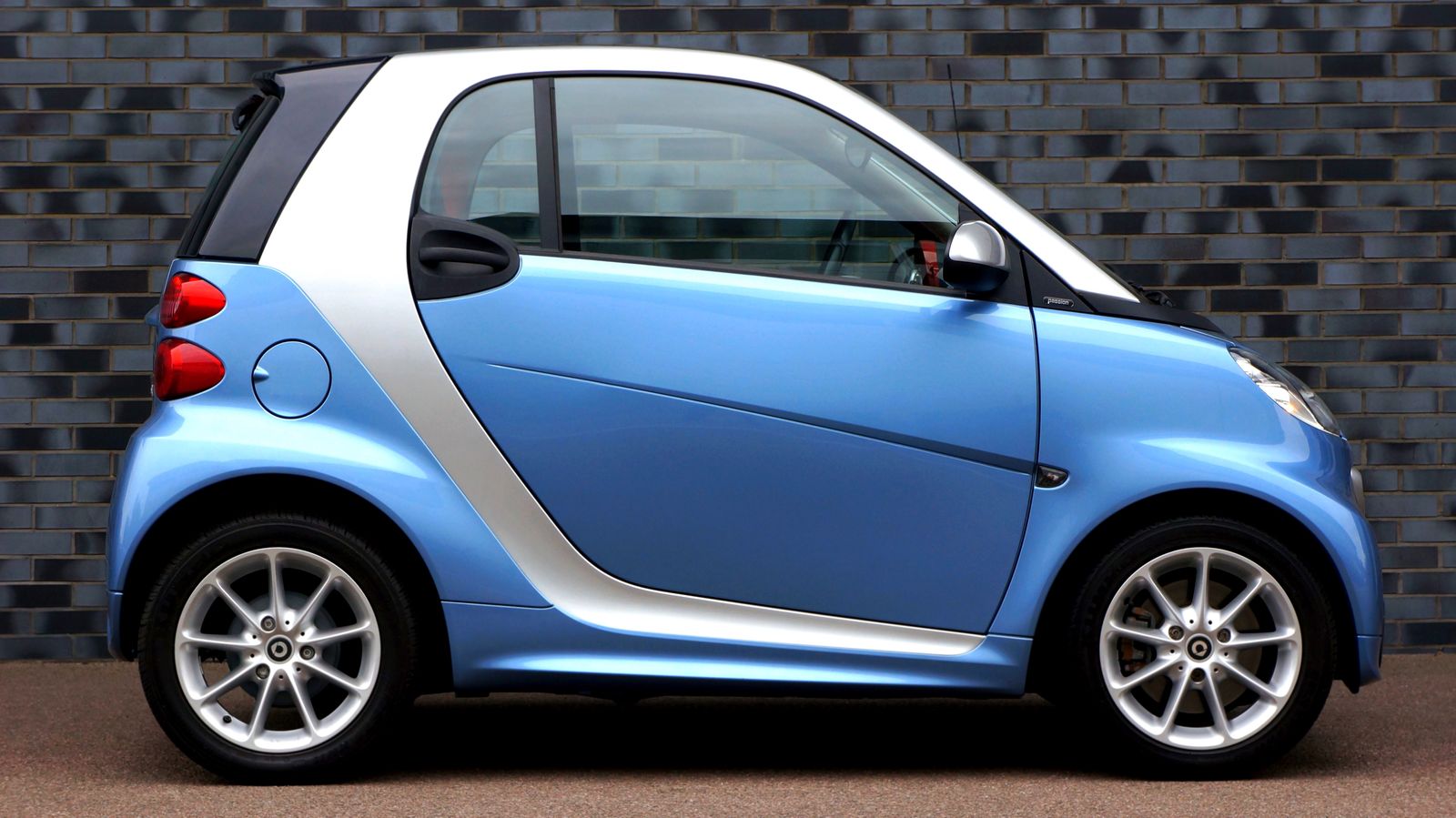
Smart is one of the few car brands built entirely around the city car, and after years of selling compact SUVs it is preparing to return to the idea that made it famous. A new #2, a small electric city car, has been confirmed, and a performance version is already being teased. For a brand that built its reputation on a two-seat, rear-engined machine under three metres long, that is a significant shift back towards first principles.
The brand’s recent history has pointed the other way. Under a Mercedes-Geely joint venture, smart has pivoted to a range of premium electric SUVs, with the #1, #3 and #5 competing well above the Fortwo’s footprint. Here is how a small experiment in urban mobility became a brand that changed the rules, what it has become since, and why the original idea is coming back.
What Is a Smart Car? The Brand and Its City-Car Philosophy
The smart car story starts with a collaboration that sounds unlikely in hindsight. Nicolas Hayek, the man behind Swatch, wanted a small, affordable, highly individual city car, and he partnered with Mercedes-Benz to make it happen. The result, launched in 1998, was the Fortwo, originally badged as the smart city-coupé. The concept was radical: a car designed from the outset for two occupants and urban use, not adapted from a larger platform.
Two engineering decisions define the Fortwo. The first is its rear-mounted engine, which frees up front space, improves traction and allows an exceptionally tight turning circle. The second is the Tridion safety cell, a rigid steel structure that surrounds the passenger compartment and was designed to give a very small car crash protection comparable to larger vehicles. The body panels are separate, replaceable plastic, which keeps repair costs down and lets owners customise the colour.
From the beginning, smart positioned itself around mobility rather than conventional car ownership. The brand talked about car sharing, urban parking and the idea that most journeys involve one or two people, not five. That philosophy echoed earlier experiments in small urban transport, such as Amsterdam’s Witkar electric car-sharing scheme of the 1970s, and it still shapes how cities think about getting people around.
The Smart Fortwo: A City Car Like No Other
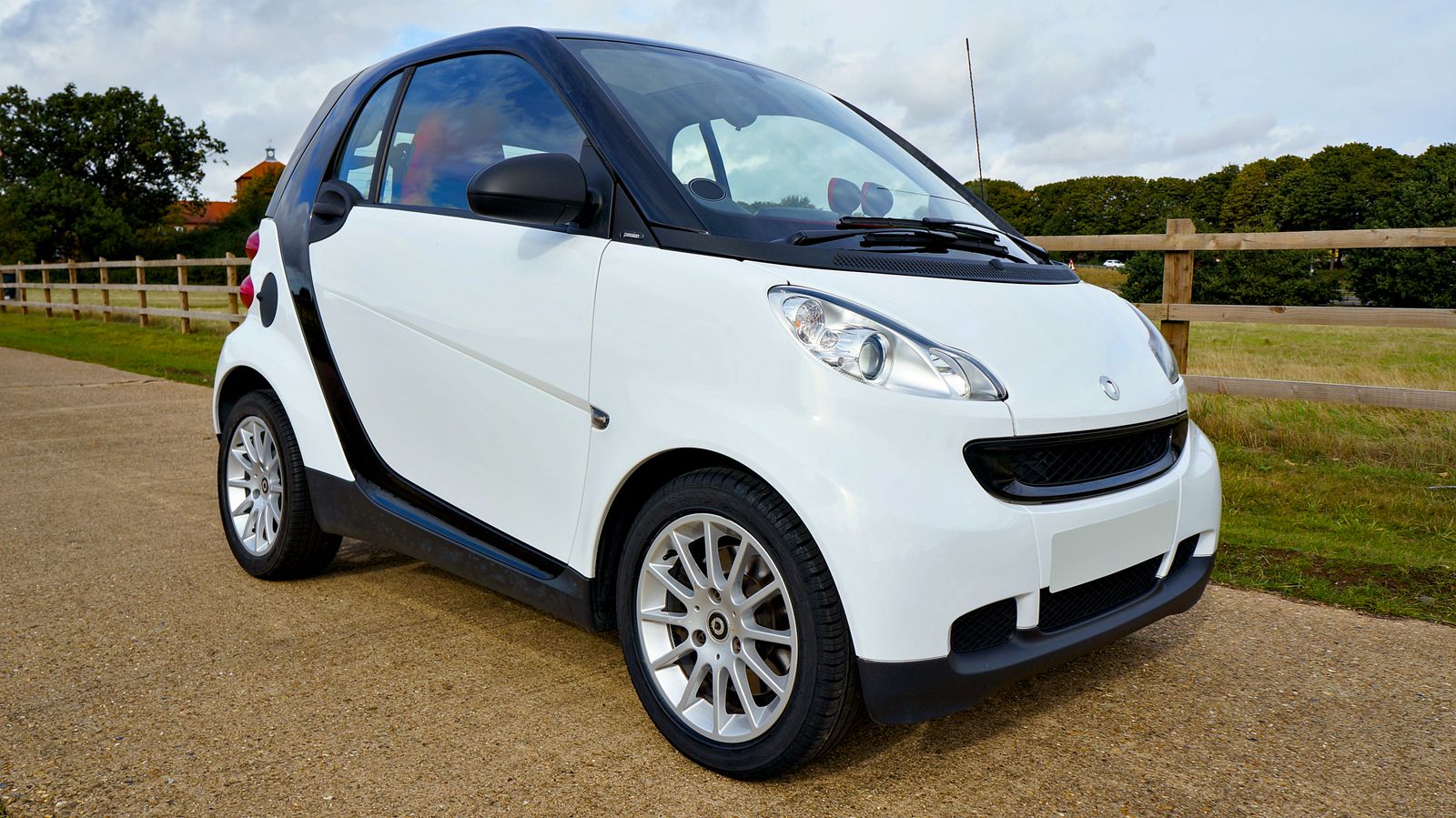
The Fortwo is the definitive smart car. At roughly 2.7 metres long, it can park nose-in to a kerb where most cars cannot fit at all, and its turning circle of around 6.9 metres makes multi-storey car parks and tight side streets almost enjoyable. The two-seat layout means no rear bench, but the boot is more usable than you might expect, with around 220 litres behind the seats and a practical shelf arrangement.
The compromises are real. The rear-engine layout makes the Fortwo sensitive to crosswinds, and the short wheelbase means a firm ride over broken tarmac. On a motorway it is surprisingly stable for its size, but it is not a relaxed long-distance car, and the automated manual gearbox fitted to many petrol models is jerky in stop-start traffic. The later twinamic dual-clutch transmission improved things considerably.
Petrol Fortwos were sold with a range of small three-cylinder engines, most commonly a 1.0-litre unit producing around 70 to 90 bhp. The EQ (later renamed EQ fortwo) replaced that with an electric motor and a 17.6 kWh battery. Real-world range was modest, typically 60 to 70 miles in mixed driving and less in winter, and charging was slow by modern standards, with a full charge taking several hours from a home wallbox. As a second car doing short urban trips, that was rarely a problem. As an only car, it demanded a certain commitment.
Smart’s Electric Pivot: How the Brand Went All-Electric in Europe
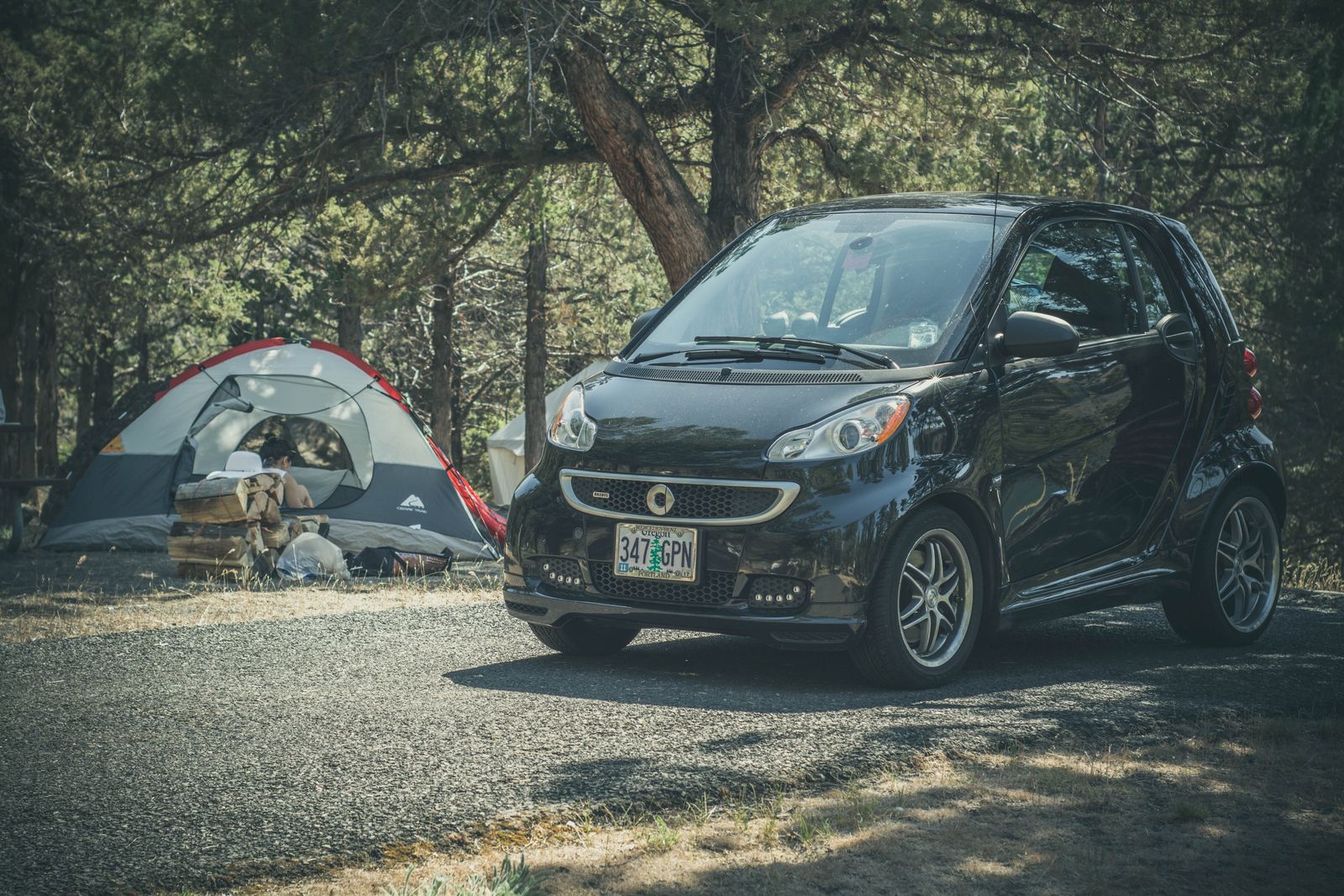
Smart’s move to electric power was less a leap than a logical conclusion. The brand’s cars were already small, light and mostly used for short urban journeys, which is exactly where electric propulsion works best. The EQ fortwo and the four-seat EQ forfour arrived as the brand’s electric offerings, and from 2018 smart stopped selling combustion-engined models in Europe, becoming one of the first manufacturers to go all-electric across its range.
The decision was shaped by parent company Mercedes-Benz, which was pushing electrification across its portfolio and saw little future in a petrol city car with limited global sales. The EQ fortwo kept the Fortwo’s packaging advantages while removing tailpipe emissions, and it found a loyal following among urban drivers, car clubs and fleet users. It was never a volume seller, but it proved the concept: a small, purpose-built electric city car can work if the use case is right.
Smart Today: The Geely Era and the New Model Line-up
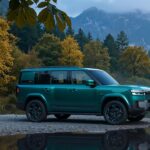
In 2019, Mercedes-Benz and Geely announced a joint venture to relaunch smart as a global electric brand. The new company, based in China, moved smart onto Geely’s SEA platform, the same architecture used by a range of electric vehicles from the Geely group. The first product of that partnership was the smart #1, a compact electric SUV, followed by the #3, a coupe-SUV, and the larger #5.
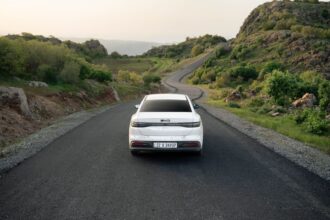
These are not city cars in the Fortwo mould. The #1 measures around 4.3 metres long, seats five and competes with the likes of the Volvo EX30 and the Mini Aceman. The #3 and #5 push further into premium territory, with the #5 offering a larger battery and more powerful dual-motor options. The brand’s positioning has shifted from affordable urban transport to premium electric compact cars, and the prices reflect it, though UK OTR figures for the current range vary by trim and are best confirmed with a dealer.
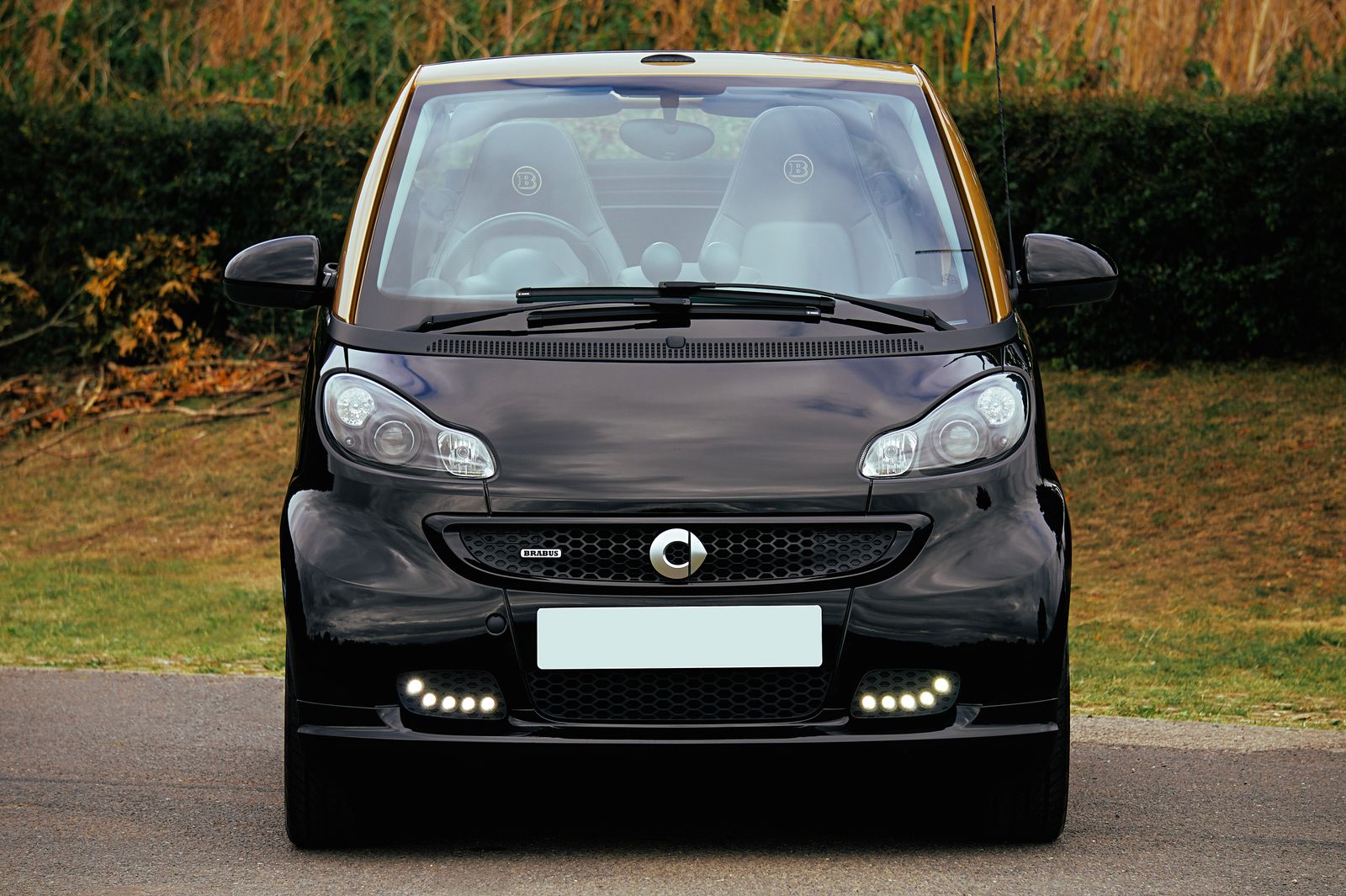
The Fortwo’s spirit survives more in the brand’s marketing than in its showrooms. That may be about to change: smart has confirmed a new #2, a small electric city car, and a performance version is already being teased. UK pricing and an on-sale date for the #2 have not yet been confirmed. The Smart #2 Brabus Confirmed: Hot Electric City Car Teased story suggests the brand has not abandoned its roots, even if it has spent several years selling larger cars.
Owning a Smart Car: Costs, Practicality and the Used Market
For used buyers, the Fortwo remains one of the cheapest routes into electric motoring. Early EQ fortwo models now trade for modest sums, and petrol Fortwos are cheaper still. Insurance groups are low, typically in the single digits to low teens depending on the model (UK insurance group ratings), and VED for electric versions has changed: from April 2025, electric cars in the UK are no longer exempt from VED and pay standard rates, as do petrol models. Servicing is straightforward and parts are widely available, though some trim and body panels are less common than on mainstream cars.
The realities of ownership are worth spelling out. Two seats mean no carrying passengers beyond one, and the boot, while clever, is small. Tyres are narrow and relatively inexpensive, but the Fortwo’s small wheels and firm suspension mean they wear quickly on rough roads. For the EQ, charging is the main consideration: a home wallbox is essential for regular use, and rapid charging is either absent or very slow depending on the model year, so it suits overnight charging rather than long journeys.
Is a Smart Car Right for You? The Verdict
The Fortwo suits a specific kind of buyer: someone who drives mostly in town, values parking ease above all else, and either has another car for longer trips or rarely needs one. It is also a genuinely good learner car, with its compact dimensions and simple controls making it easy to place in traffic. As a second car or a city runabout, it still makes a lot of sense, and the electric version is one of the cheapest ways into zero-emission motoring.
It is less suited to anyone who regularly carries passengers, covers motorway miles or needs a single car for everything. Rivals such as the Volkswagen Up, the Toyota Aygo X and the Fiat 500 offer more seats and greater versatility for similar money, though none matches the Fortwo’s footprint or its turning circle. The new smart #1 and #3 are worth a look if you want the brand’s design language in a more conventional package, but they are not city cars in the original sense.
The brand’s future direction is now clear: a premium electric range built on Geely underpinnings, with a new small city car returning to the fold. The #2 and its Brabus variant will be the test of whether the original idea still has pull.