What dyed diesel actually is
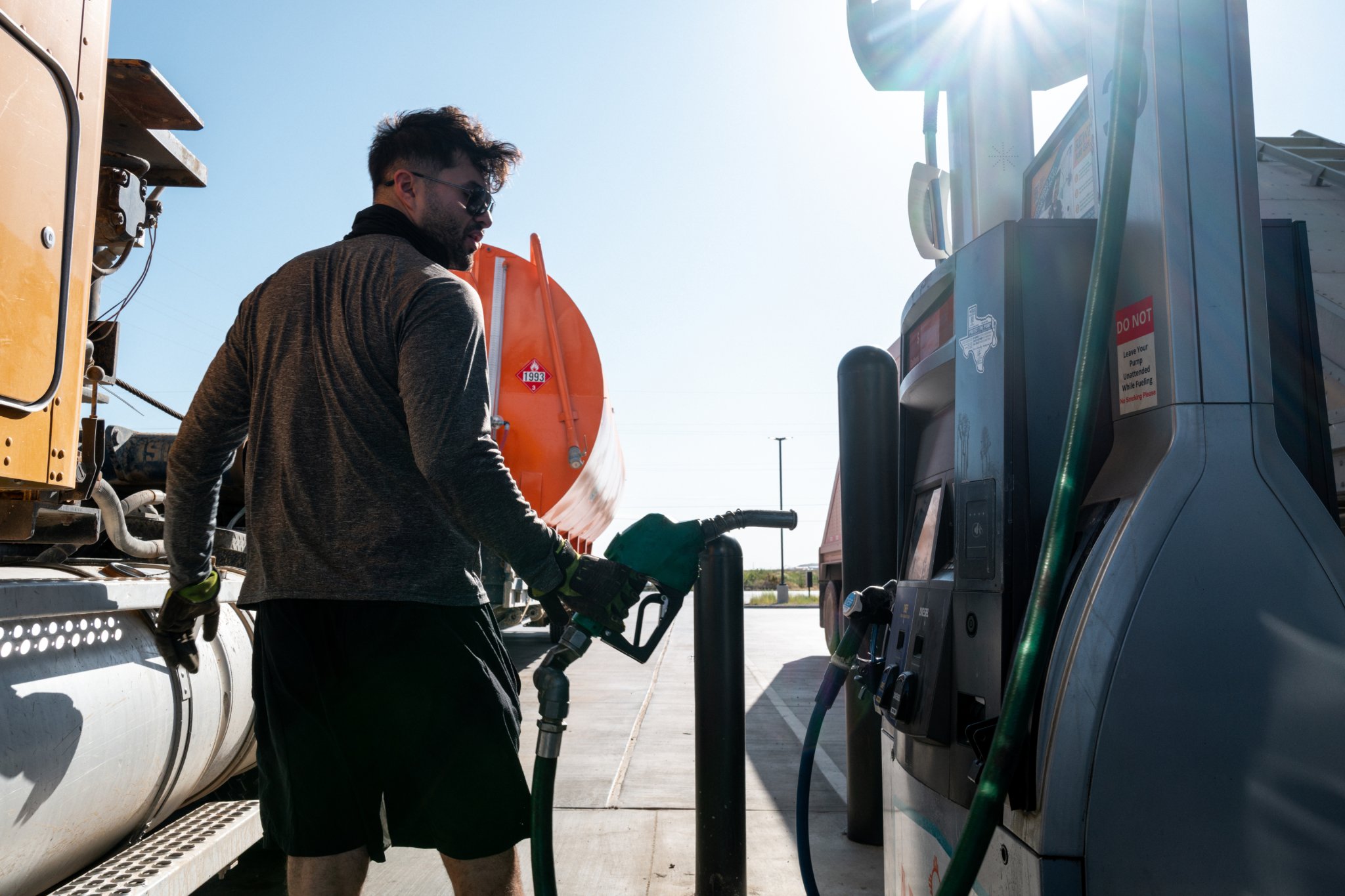
Dyed diesel goes by several names: farm-use diesel, off-road diesel, or in this context, home heating oil. Chemically it is near-identical to the fuel sold at the pump. The differences are small but consequential. Roadgoing diesel typically carries extra additives, including engine-cleaning detergents that heating oil lacks. The decisive distinction, however, is the red dye itself.
That dye is a marker. It signals that the fuel has not been taxed as an on-road fuel. Fuel taxes in the United States are what pay for road maintenance and construction, and dyed diesel sidesteps them entirely. That untaxed status is precisely what makes it cheaper, and precisely why it is normally confined to agricultural operators using it on their own property rather than out on the highway.
The price picture behind the panic
Diesel at $6.43 a gallon is the kind of number that reshapes budgets. For a long-haul operator burning through hundreds of gallons a week, the difference between this year and last is the difference between a viable margin and a loss-making one. For farmers, diesel is not a discretionary expense; it is the cost of planting, harvesting and moving a crop at all.
The knock-on effects travel quickly. Freight costs feed into shelf prices, which is why Abbott framed the issue in terms of household budgets rather than industrial policy. Texas agriculture and freight, in his words, simply run on diesel.
How the state got here is a longer story. Federal fuel economy policy has been in flux, with Washington reshaping the rules that govern how efficiently vehicles must run. The Trump administration’s US Slashes Fuel Economy Rules: 34.9 mpg by 2031 as CAFE Credit Trading Axed marked a significant shift in that landscape. Looser efficiency standards keep demand for liquid fuels higher for longer, which feeds directly into the tight diesel market now driving prices at the pump.
Why the proclamation runs into federal law
Here is where the Texas measure hits a wall that no governor can move. Diesel is regulated federally under the Clean Air Act, not at state level. Abbott knows this, which is why he sent a separate letter to Lee Zeldin, administrator of the Environmental Protection Agency, requesting a waiver specifically covering sulfur content in roadgoing diesel.
The gap he is trying to bridge is enormous. The EPA caps sulfur in roadgoing diesel at 15 parts per million. In Texas, home heating oil can contain as much as 4,000 ppm of sulfur. Many colder states already limit their heating oil to 15 ppm, which gives some sense of how far Texas fuel standards sit from the roadgoing norm.
In other words, the governor can tell state authorities to stop enforcing certain rules. He cannot tell the EPA to stop enforcing its own. The sulfur question, which is the one that actually matters for whether dyed fuel can legally burn in a modern truck engine on a public highway, sits in Washington. Austin can only ask.
What the measure does not do
It is worth being precise about the limits here, because the proclamation has been read by some as a price cut. It is not one.
The underlying diesel fuel tax is untouched, and retail pump prices stay exactly where they are. The declaration creates no exception for non-commercial buyers, so a private motorist filling up a pickup cannot take advantage of it. Only those already eligible for tax-exempt fuel stand to benefit, which in practice means the agricultural and commercial operators the measure was aimed at.
Taxation of dyed fuel is controlled by the Internal Revenue Service, not by any state authority. The Trump administration has reportedly considered waiving diesel taxes, but neither the White House nor the IRS has taken action. Similar tax relief was granted during the Covid era and has not been repeated since, and analysts have questioned whether it would lower prices meaningfully even if it were.
So the practical effect is narrow. State authorities may not enforce laws against filling trucks with dyed diesel. Federal EPA and IRS rules remain fully in place, and Abbott has not set out a comprehensive plan to address the “statewide disaster” he has declared.
Abbott’s case, in his own words
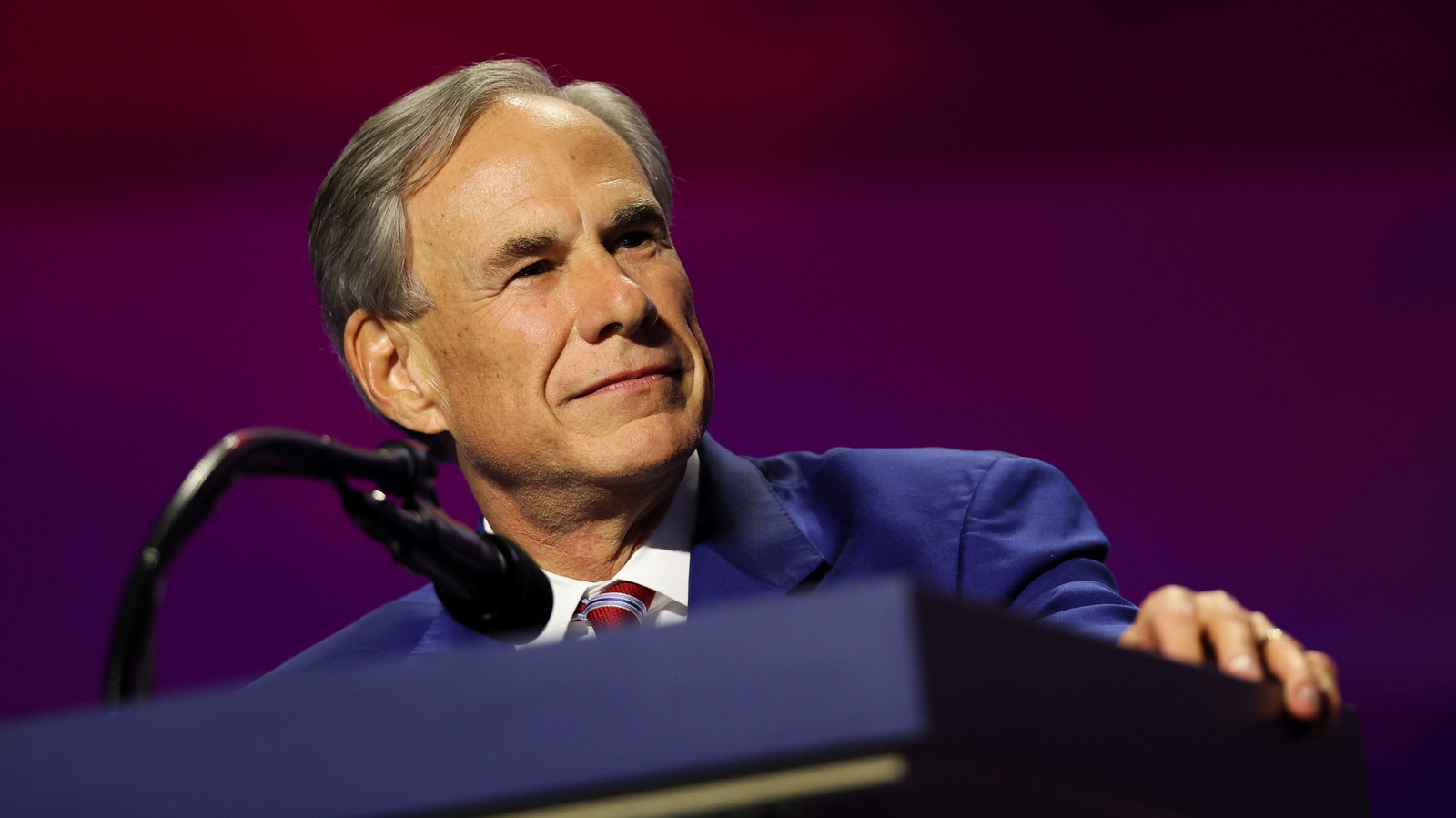
The governor’s argument is straightforward and, on its own terms, coherent. In the proclamation he said: “Texas agriculture and freight run on diesel. Record prices put both industries at risk and raise costs for every Texas family. Farmers and truckers can now use dyed diesel on Texas roads, and fuel, crop, and timber loads can move at a higher weight. These steps cut costs on the farm, on the road, and at the store.”
On social media he framed it as an effort to “help lower costs for Texas farmers, truckers, & families by expanding access to dyed diesel and increasing allowable weights for fuel, agricultural, & timber loads.”
The higher weight allowances are the quieter half of the measure and may prove the more durable one. Moving more fuel, crop or timber per load reduces the number of journeys required, which cuts fuel burn directly rather than merely changing which tax applies to it.
A temporary stopgap with a hard winter ahead
Strip away the politics and this is a short-term measure that leans heavily towards Texas farmers. It offers relief to a specific group of operators, on a specific set of roads, for as long as the proclamation stands. It does not lower the price at the pump, does not touch the federal tax that shapes that price, and does not resolve the sulfur mismatch that keeps dyed fuel technically off-limits for road use under federal law.
The timing is what makes it precarious. Winter is approaching, and diesel faces its annual squeeze as heating oil demand competes for the same barrel. Add a volatile geopolitical backdrop and the ingredients are there for an expensive holiday season across North America, with freight, food and heating all pulling on the same constrained supply.
For Texas, the deeper question is what happens when the proclamation lapses. The tax exemption that makes dyed diesel cheaper is federal, the sulfur cap is federal, and the price itself is set by global markets. A governor can declare a disaster. He cannot declare a waiver. That particular piece of paper is still sitting on a desk in Washington, and until it is signed, Texas farmers are working with a stopgap rather than a solution.
Related: suzuki slashes prices swift.
Related: car sales hit near.