
Car Wash Options in the UK: An Overview
British drivers have more choice than most. The main options are:
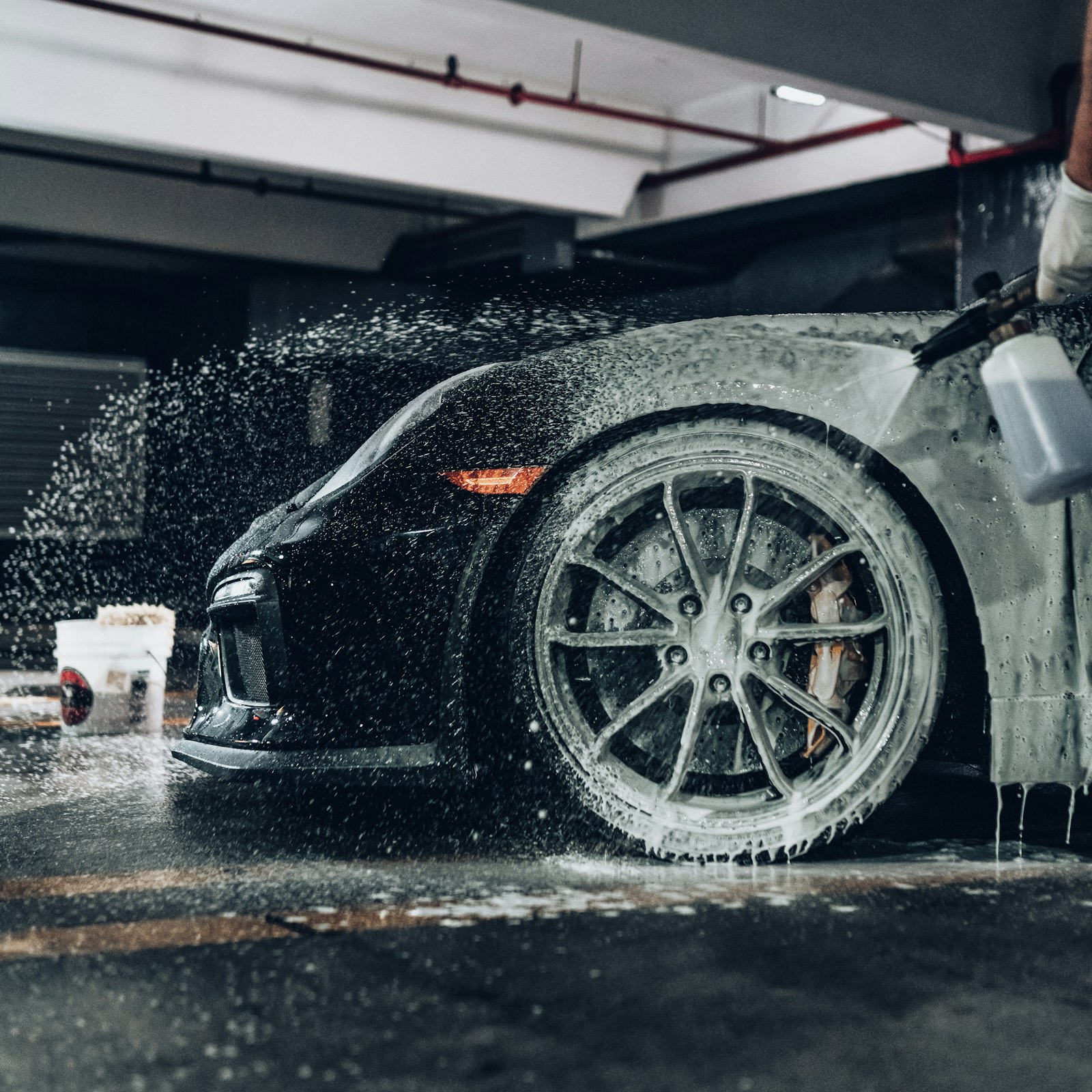
Hand car wash. Usually a standalone site, often attached to a petrol station or retail park. Staff wash your car with jet washers, foam and mitts, then dry it by hand. Fast, cheap and widely available, but quality varies enormously. Look for clean water buckets, fresh cloths and a visible price list before handing over your keys.
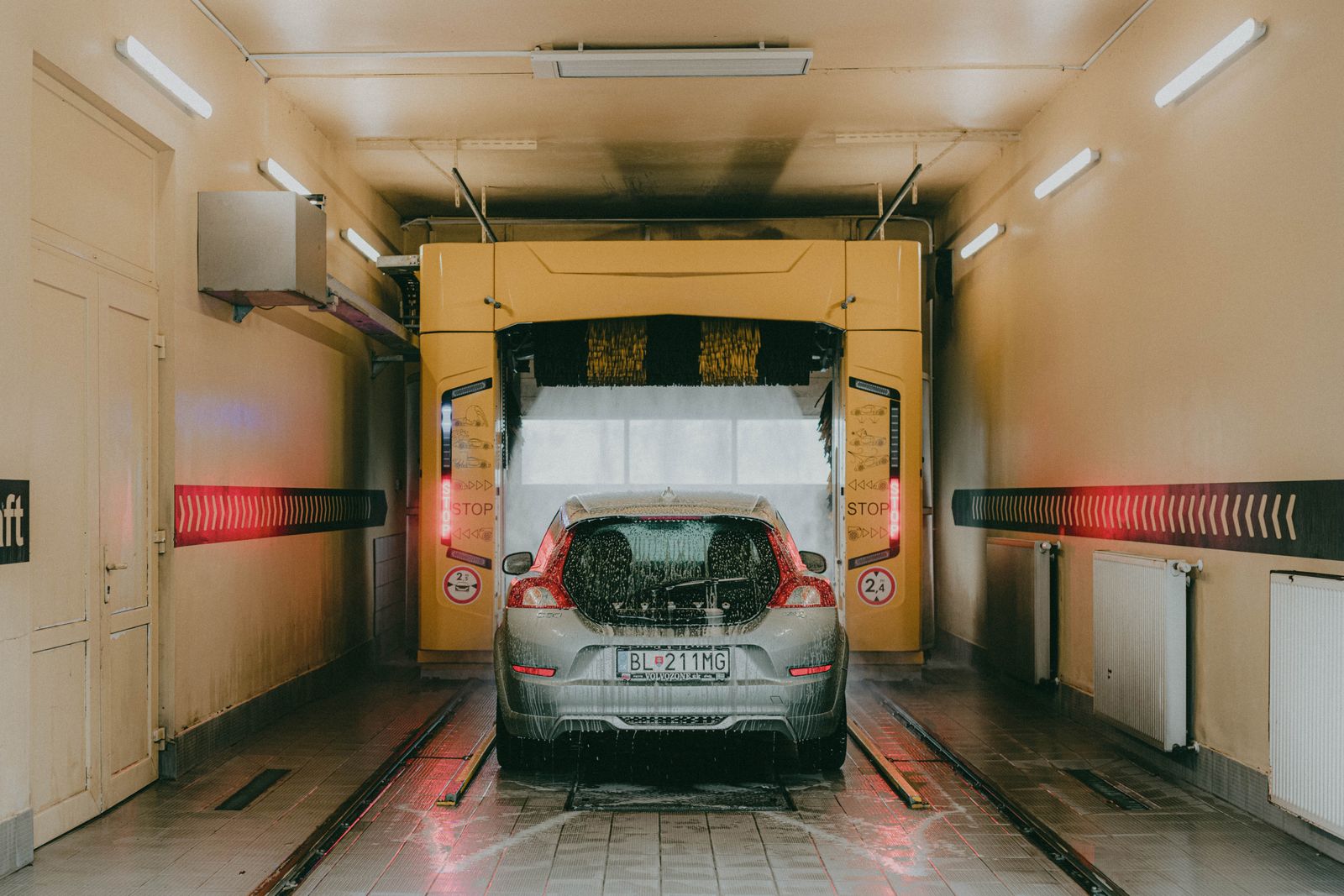
Automatic car wash. Found at many petrol stations and supermarket forecourts. You drive in, the machine does the work, and you are out in a few minutes. Convenient, but the brush type is the one to think hardest about (more below).
Jet wash or self-service bay. You pay by the minute or by programme and do the work yourself. Typically £1 to £3 per stage (indicative UK pricing), so a full wash plus rinse and wax can run to £6 to £10. Good control, but the brushes provided at some sites are best avoided.
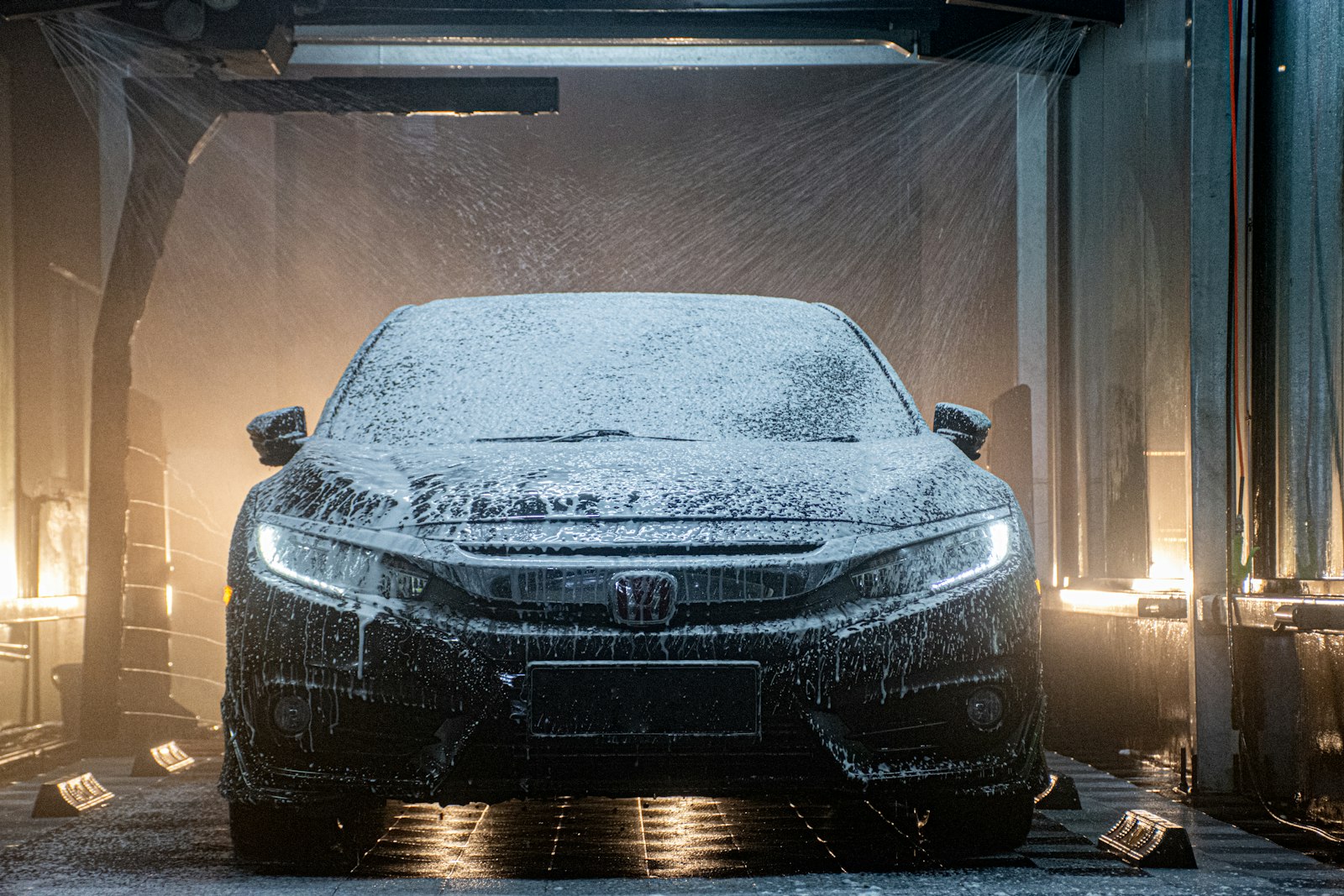
Touchless automatic. Uses high-pressure water and chemicals rather than physical contact. Safer for paint, though it can leave a film of dirt behind on heavily soiled cars.
Mobile valeting. A van comes to your home or workplace with its own water and power. Expect roughly £25 to £60 depending on vehicle size and the level of service (indicative UK pricing), rising well beyond that for paint correction or ceramic coating work.
When judging any operator, ask what shampoo they use, whether they use a separate bucket for wheels, and whether they dry with microfibre. A reputable outfit will answer without hesitation.
How Much Does a Car Wash Cost in the UK?
Prices vary by region, vehicle size and how dirty the car is, so treat the figures below as a guide rather than a quote. A hand wash in central London can easily cost double what the same service costs in a small town, and forecourt pricing moves with inflation and local competition. Typical UK figures look like this:
- Supermarket or petrol station automatic: around £7 to £15 for a basic wash, more for wax, underbody rinse and wheel treatments (indicative UK pricing).
- Service station hand wash: roughly £10 to £20 for a standard hatchback or saloon (indicative UK pricing).
- Standalone hand car wash: often £8 to £18, with SUVs, estates and vans at the upper end (indicative UK pricing).
- Mobile valeter: around £25 to £60 for a maintenance wash, more for interior deep cleans or paint decontamination (indicative UK pricing).
- Full detail with machine polishing: £150 upwards, and considerably more for paint correction or ceramic coating (indicative UK pricing).
What pushes the price up? Vehicle size is the biggest factor, followed by how heavily soiled the car is. Winter grime, tar spots, tree sap and pet hair all add labour. Extras such as alloy wheel deep cleaning, engine bay cleaning, clay bar treatment and interior shampooing are usually charged separately. It is always worth confirming the price before work starts, particularly at hand wash sites where extras can be added verbally.
Automatic vs Hand Car Wash: Which Is Better for Your Paint?
This is the great car wash debate, and the honest answer is that it depends on the machine and the operator.
Traditional brush automatic washes use rotating nylon or foam bristles. Over time, grit trapped in those bristles can leave fine scratches, commonly called swirl marks, which show up as spider-web patterns in direct sunlight. Modern machines with soft foam brushes and proper maintenance are far gentler than the units of twenty years ago, but the risk is not zero, particularly on some softer paint finishes.
Touchless automatics avoid physical contact entirely. They are the safer automatic choice, but the stronger chemicals and higher water pressure they rely on can strip wax more quickly, and they rarely remove heavy film without a pre-wash.
Hybrid systems combine a touchless pre-soak with very light brushes, which reduces the grit problem.
Many enthusiasts prefer a careful hand wash or a touchless wash followed by a hand dry. If your paint already has light swirling, it is worth understanding what can be corrected at home before booking professional work. Our guide to Car Scratch Repair: A Complete Guide to DIY Fixes and Professional Solutions covers which defects you can polish out yourself and which need a machine polisher.
For a quick comparison, the table below summarises the main options.
| Wash type | Typical cost | Paint risk |
|---|---|---|
| Brush automatic | £7 to £15 (indicative) | Higher, especially if poorly maintained |
| Touchless automatic | £7 to £15 (indicative) | Low contact risk, can strip wax |
| Hybrid automatic | £8 to £18 (indicative) | Low to moderate |
| Hand car wash site | £8 to £20 (indicative) | Varies with operator technique |
| Home two-bucket wash | Cost of products only | Lowest when done properly |
| Mobile valet | £25 to £60 (indicative) | Low, depends on valeter |
How to Wash Your Car Properly at Home
If you want to protect your paint and save money, a proper home wash beats almost any automated option. Here is the method that professional detailers recommend.
1. Work in the shade. Direct sunlight dries shampoo and water spots before you can rinse them, and hot panels are more vulnerable to marking.
2. Pre-wash first. Snow foam or a citrus pre-cleaner loosens the top layer of grime so you are not dragging grit across the paint. Leave it to dwell for the time stated on the bottle, then rinse from the top down.
3. Use the two-bucket method. One bucket holds clean pH-neutral shampoo solution, the other holds plain water for rinsing your mitt. A grit guard in the bottom of each bucket traps dirt so it does not go back onto the car.
4. Wash top-down. Roof, windows, bonnet, then upper panels, then lower panels and sills, which are always the dirtiest. Rinse your mitt in the rinse bucket after every panel.
5. Clean wheels separately. Use a dedicated wheel cleaner, a separate brush and, ideally, a separate bucket. Brake dust and iron fallout should never be transferred to paintwork.
6. Rinse thoroughly, then dry with microfibre. A large plush drying towel or a filtered water rinse helps prevent water spots. Pat and glide rather than scrub.
7. Finish with protection. A spray wax or sealant takes minutes and makes the next wash far easier.
Water Restrictions, Hosepipe Bans and Environmental Rules
During dry spells, several UK water companies impose hosepipe bans, technically known as temporary use bans. These are not advisory: they are legally enforceable restrictions imposed under the Water Industry Act 1991, and they normally run for a set period while a drought order or similar measure is in force. They typically prohibit using a hosepipe to wash a car, though the exact rules vary by company and region, so always check your supplier’s current guidance rather than assuming.
Where restrictions apply, you can usually still wash your car using a bucket and sponge, or with water from a water butt or recycled source. Some companies permit a hosepipe fitted with a trigger nozzle for a limited period, but this is not universal.
Environmental common sense applies year-round. Choose biodegradable, pH-neutral shampoos, avoid washing on the street where runoff flows straight into drains, and never let neat wheel cleaner or engine degreaser run into a watercourse. If you use a mobile valeter, ask whether they use a waterless or low-water method, as many now do.
Winter Salt, Road Grime and Protecting Your Paint
Winter is when washing matters most. UK councils grit roads with rock salt, and that salt, combined with grit, moisture and freeze-thaw cycles, accelerates corrosion on sills, wheel arches, subframes and brake lines. Leaving salty grime on your car for weeks is one of the fastest ways to shorten its bodywork’s life.
Salt damage is not just a cosmetic concern. Corroded sills, brake lines and subframes are common MOT advisory items, and a scruffy, rusting car will be valued lower at trade-in time. Keeping on top of winter washing protects both your safety and your resale value.
Aim to wash every two to three weeks through winter, paying particular attention to wheel arches, sills and the underside. A jet wash with an underbody programme is a sensible investment when temperatures are too low for a full hand wash.
Protection matters too. A good wax or synthetic sealant creates a sacrificial layer between your paint and the road environment. Ceramic coatings, professionally applied, offer longer-lasting protection and make winter washing easier because dirt releases more readily. None of these are a substitute for washing, but they buy you time between cleans.
Common Car Wash Mistakes to Avoid
- Using washing-up liquid. Dish soap strips wax and sealant and offers no lubrication, so grit scratches more easily. Use a dedicated car shampoo.
- Washing in direct sunlight. The shampoo dries before you rinse, leaving streaks and spots.
- Reusing dirty sponges and brushes. A sponge holds grit against the paint. Use a microfibre wash mitt and rinse it often.
- Skipping wheel arches and sills. These are the rust hotspots, and they are usually the dirtiest parts of the car.
- Using the wrong cloth. A cloth used on wheels should never touch paint or glass. Keep separate microfibres for paint, glass, wheels and interior.
- Letting a hand wash site use one bucket for everything. If you see the same mitt going from wheel to bonnet, walk away.
Car Wash FAQs for UK Drivers
How often should I wash my car? Every two weeks is a good baseline, and every two to three weeks in winter at minimum. Cars parked under trees or near the coast need more frequent attention.
Do automatic car washes damage paint? Brush machines can cause swirl marks over time, especially if poorly maintained. Touchless and hybrid systems are gentler. If you value your paint, hand wash or touchless is the safer routine.
Can I wash my car on my driveway during a hosepipe ban? Usually yes, using buckets rather than a hosepipe, but check your water company’s specific rules, as temporary use bans differ across the UK and are legally enforceable.
What should I check before letting someone wash my car? Confirm the price, ask what products they use, watch whether they use separate buckets for wheels and paint, and check that they dry with clean microfibre rather than a chamois or old rag.
Is a car wash safe for ceramic-coated cars? Yes, but avoid harsh brush washes and strong alkaline pre-soaks, which can degrade the coating. A pH-neutral hand wash or touchless wash is the better choice.
Wash your car regularly, use the right products, and treat winter as the season that matters most. Your paint, your resale value and your rust-prone sills will all thank you.





2 Comments