
Why Acura is pausing the MDX Type S
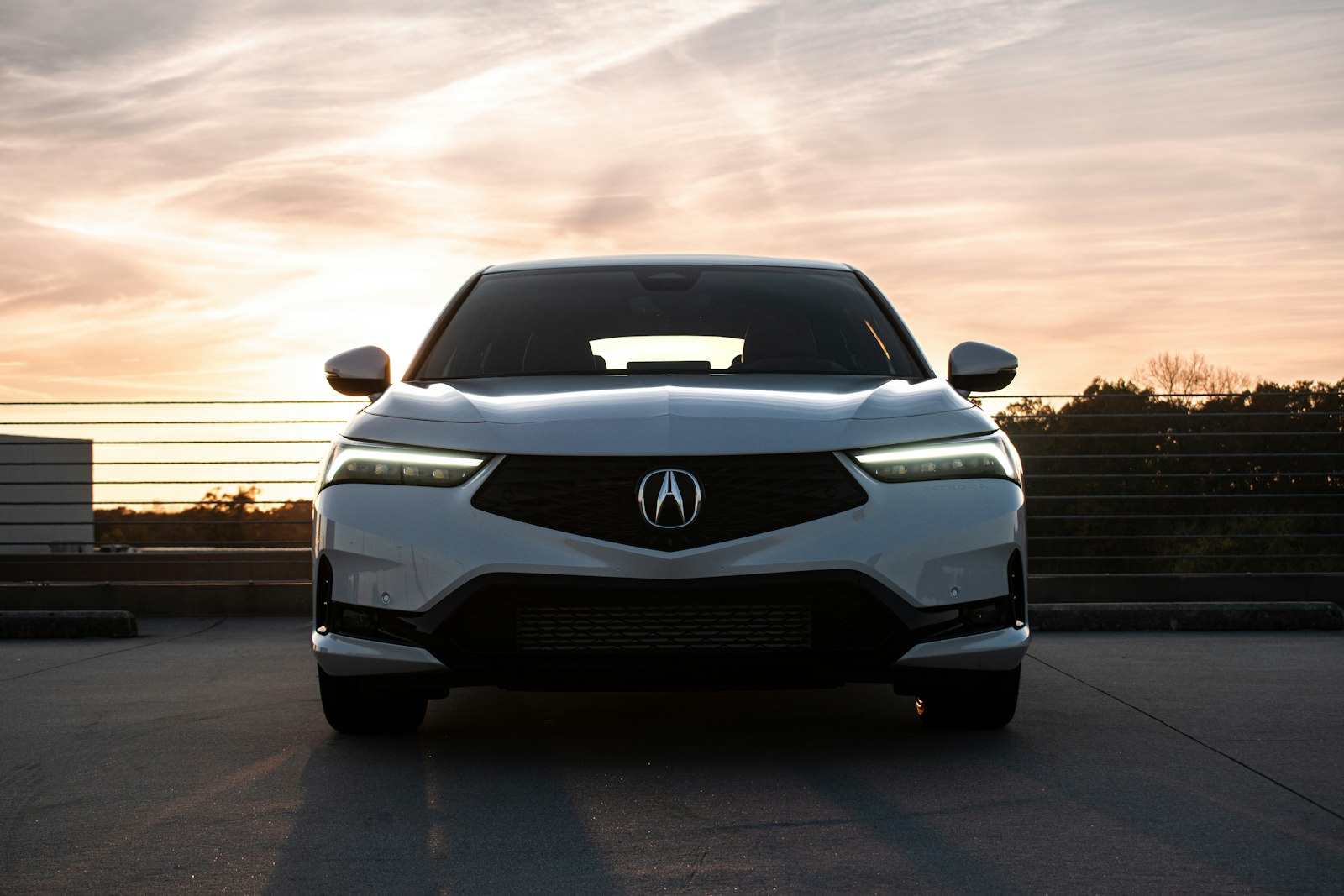
Acura spokesperson Andrew Quillin confirmed to Automotive News that production of the MDX Type S will stop at the end of the 2026 model year. Crucially, the brand is calling it a pause rather than a discontinuation, leaving the door open for the turbocharged V6 flagship to return at some point.
In a statement provided to Road & Track, Acura said: “As part of an evolving product strategy, the MDX Type S trim will be paused at the end of the 2026 model year. We expect to have inventory of the MDX Type S to support sales through early next year.”
That inventory buffer matters. US dealers will have enough stock to keep selling the Type S into early 2027, which means buyers in that market who want the 355bhp model will need to shop from existing 2026 model-year dealer stock rather than order a new one.
For anyone in the UK wondering whether a right-hand-drive MDX Type S might appear at a dealership near them, the answer is no. As noted above, Acura does not operate in the UK and the MDX has never been sold here. There is no UK pricing, availability or launch information attached to this story, and none should be inferred.
The emissions rules behind the decision
The driving factor is uncertainty over US emissions regulations. Stricter EPA Tier 4 pollutant standards are currently scheduled to begin with the 2027 model year. In May 2025, the EPA proposed delaying that start to 2029, but the change is not yet finalised, with a decision not expected until February 2026. The EPA has also significantly reduced penalties for missing emissions targets.
Faced with rules that could shift under its feet, Acura chose to pause a low-volume model rather than plan another year of production around regulations that might change again. It is a pragmatic call, and one that reflects how much emissions compliance now shapes product planning at every level of the industry.
To be clear for UK readers: EPA Tier 4 is a US standard. It has no bearing on UK or EU emissions rules, and nothing in this story changes what British buyers can or cannot purchase.
Low volume, thinning range: the Type S problem
The MDX Type S is a niche proposition even in its home market. It accounts for less than 10 per cent of MDX sales, which goes a long way to explaining why it became the model Acura was willing to pause.
Under the bonnet sits a 3.0-litre turbocharged V6 producing 355bhp, paired with Acura’s SH-AWD system. Notably, the regular MDX’s naturally aspirated 3.5-litre V6 will not replace the Type S’s turbocharged engine, so there is no like-for-like substitute in the range.
Instead, Acura plans to spread premium Type S features and styling across mainstream MDX trims. The brand’s statement was direct about why: “As customers continue to pay heightened attention to affordability in their purchase decisions, we plan to apply many of the premium Type S features and styling to the other trims in the MDX lineup.”
In other words, the halo model is being folded into the volume range rather than replaced. It is a pattern that will look familiar to UK buyers who have watched performance trims quietly disappear from showrooms in favour of well-specified mainstream variants.
The MDX Type S pause is not an isolated decision. It follows a July halt on production of the manual-transmission Acura Integra A-Spec and the related Honda Civic Si, a continuing pause on the RDX, and the discontinuation of both the TLX sedan and the ZDX EV. Once the MDX Type S bows out, Acura showrooms in the US will carry a notably leaner line-up: the ADX crossover, mainstream MDX variants, CVT versions of the regular Integra, and the Integra Type S.
It is a story with echoes elsewhere. When Ram confirmed the 1500 TRX SRT would return for 2027 with a 777hp supercharged V8 after a two-year absence, it underlined how uneven the global picture is: some markets are doubling down on big-horsepower flagships while others retreat from them entirely.
What it means for UK drivers
The honest answer is: not much directly, and it is worth being blunt about that. The emissions rules at the centre of this story are US EPA standards, not UK or EU regulations.
What the story does offer is a lens. Performance SUVs are under pressure in every major market, and the forces squeezing them are broadly similar: tightening emissions rules, affordability concerns among buyers, and the sheer cost of engineering low-volume variants that comply with regulations that may change before the next model year arrives.
Acura has promised hybrid-electric models “in the coming years,” and more details on the 2027 MDX are due closer to its US launch later this year. That hybrid pivot is the direction of travel across the industry, and UK buyers are already seeing it play out in their own showrooms.
The squeeze on performance models is not confined to America
The Acura MDX Type S pause is, at heart, a story about arithmetic. A model representing less than 10 per cent of sales, powered by an engine that cannot easily be carried over, facing emissions rules that may or may not tighten on schedule, is an expensive thing to keep in production. Acura looked at that equation and chose to wait.
UK drivers should expect similar debates closer to home. The ZEV mandate and tightening fleet CO2 rules are already reshaping what manufacturers bring to British showrooms, and low-volume performance variants are always the first to face scrutiny when compliance costs rise. The difference is that in the UK, those decisions will be framed around British and European regulations, not EPA Tier 4.
For now, the MDX Type S remains a US-only footnote in a much larger global story. But the tension it exposes, between emissions compliance, affordability and the appetite for fast SUVs, is one that will keep playing out on this side of the Atlantic too.
For more on this, see north america auto production.






One Comment