
Ask any car enthusiast about the ideal drivetrain layout and you will likely get a passionate sermon on the virtues of rear-wheel drive. It separates the job of steering from the job of putting power down, and in doing so, it delivers a purer, more balanced driving experience.
That is the theory, anyway. In practice, the majority of new cars sold in the United States today send power to the front wheels. According to data from Edmunds and other industry trackers, front-wheel drive accounts for roughly 70 percent of new light vehicle sales, a figure that has held steady for years because the layout is cheaper to build, more space-efficient, and generally more predictable for the average driver in slippery conditions. Yet the Jalopnik community recently took up a simple, provocative question: which front-wheel-drive cars would be better if they sent power to the rear?
The responses poured in, ranging from the practical to the nostalgic to the outright hilarious. What emerged was not just a list of cars, but a compelling case for why rear-wheel drive still matters, and why the industry’s slow drift away from it may be a loss for driving enthusiasts everywhere.
The Nominations at a Glance
Before diving into the arguments, here is the full wish list of front-wheel-drive cars that readers believe should have been rear-wheel drive:
| Vehicle | Era | Reader Case |
|---|---|---|
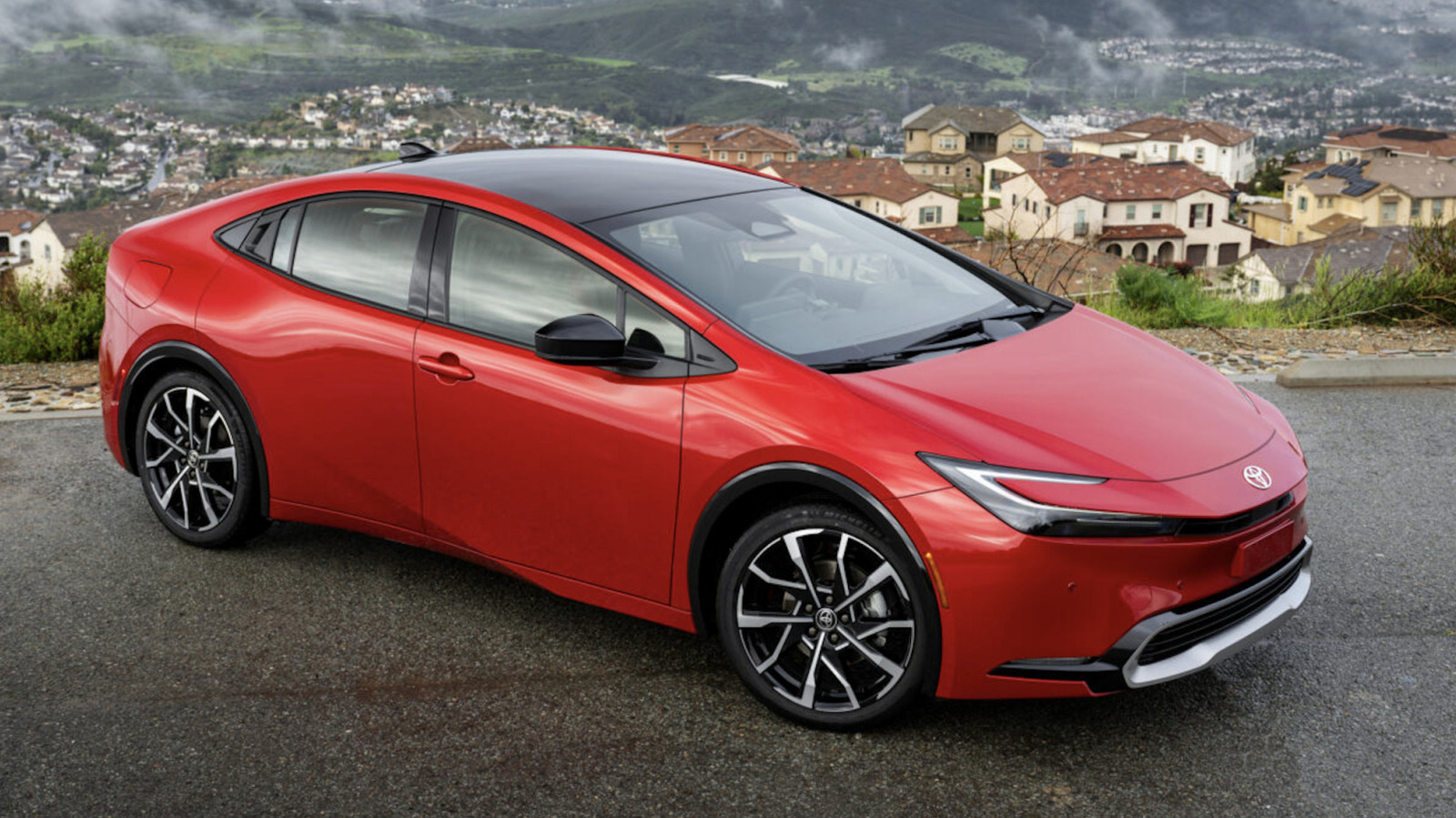
| Toyota Prius Prime | Current | 220 hp hybrid hatchback with torque to spare |
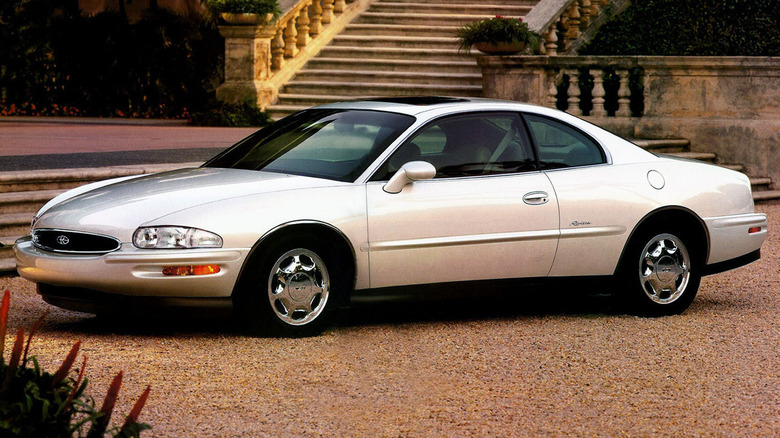
| Buick Riviera | Final generation (1995-1999) | American luxury GT held back by its layout |
| Cadillac Eldorado | Final generation (1992-2002) | Presence and power, wrong drive wheels |
| Chevy Monte Carlo | 2000-2007, notably the 2003 SS | “Nasty” understeer, wanted a V8 RWD GT |
| Pontiac Bonneville | Final generation (2000-2005) | Right engines, right looks, “wrong” drive wheels |
| Ford Probe GT | 1993-1997 | “From great to perfect” with RWD |
| Toyota Corolla | Older generations | A return to its rear-drive roots |
| Honda Civic / Civic Type R | Current and past | Better balance, traction, and geometry |
| Acura TL Type S | 2007-2008 | Stout J-Series V6 and a manual gearbox |
| Toyota Solara | Mid-2000s | 3.3-liter V6 with “a bit of a kick” |
| Mitsubishi 3000GT | Non-VR4 | Oversteer is easier to correct than understeer |
| VW Golf GTI | Every generation | The benchmark hot hatch, reimagined |
| All EVs | Current and future | No packaging penalty for RWD |
The Author’s Pick: Toyota Prius Prime
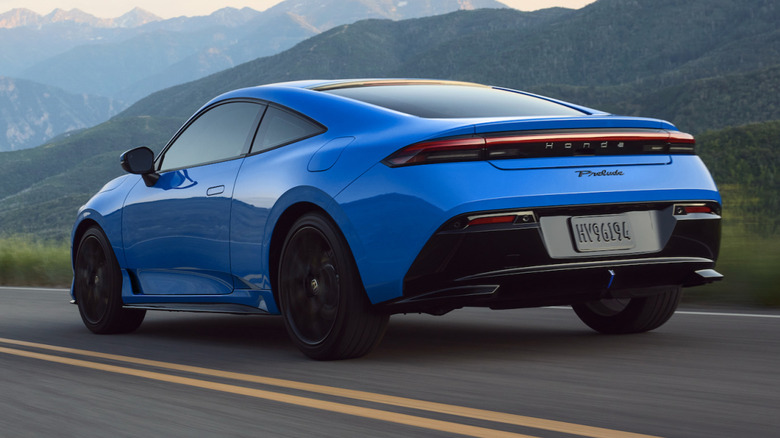
The conversation started with a surprising nomination from the author: the Toyota Prius Prime. On paper, this is a car that should be immune to enthusiast tinkering. It is a plug-in hybrid hatchback that delivers over 50 mpg, more than 40 miles of electric range, and a starting price under $40,000. It is the poster child for efficiency-first engineering.
But here is the twist. The current Prius Prime makes 220 horsepower, which is more than a Volkswagen GTI had not long ago. For reference, the Mk7 GTI produced 210 horsepower in base form from 2015 to 2017, and the Mk8 GTI now makes 241. The author noted that the Prius Prime “already does burnouts” in front-wheel-drive form, which is both a testament to modern hybrid torque delivery and a hint at the chaos lurking beneath the sensible exterior. Imagine that same powertrain sending power to the rear wheels. You would have a lightweight, efficient, surprisingly quick hatchback with the balance and traction to match its output. It would not just be a good Prius. It would be a genuinely fun one.
American Classics That Deserve a RWD Revival
Readers wasted no time diving into the American automotive back catalog, where rear-wheel drive was once the default and front-wheel drive was the exception. Several nominations stood out.
The final-generation Buick Riviera earned praise for its daring design, build quality, and comfort. One reader who owned a 1999 model made a heartfelt case for an American near-luxury rear-wheel-drive grand tourer. The Riviera had the presence and the powertrain potential, but it was ultimately held back by its front-drive layout.
The final-generation Cadillac Eldorado received a similar nomination, though one reader noted that engine troubles made the case somewhat moot. The Chevy Monte Carlo drew a sharp critique from a 2003 SS owner who described the car’s understeer as “nasty” and wished for a V8 rear-wheel-drive GT version. The Pontiac Bonneville, particularly the final generation, had the right engines, including a 3.8-liter supercharged V6 and a 4.6-liter V8, and the right looks, but as one reader put it, the “wrong” drive wheels.
The Ford Probe GT also made the list. One owner logged 198,000 miles on a 1993 model and said that switching to rear-wheel drive would take it “from great to perfect.” And a broader call went out for the return of the Cutlass, Thunderbird, Grand Prix, Monte Carlo, and Riviera, all in rear-wheel-drive form. It was a reminder that American car culture once celebrated rear-drive grand tourers, and many enthusiasts would welcome their return.
Japanese Icons That Could Go RWD
The Japanese nominations were equally passionate. The Toyota Corolla, now in its twelfth generation as a front-drive compact, prompted one reader to declare it was “time for Toyota to come full circle and make the Corolla RWD again.” Older Corollas, after all, were rear-wheel drive, and the model’s reputation for durability and simplicity would pair beautifully with a return to its roots.
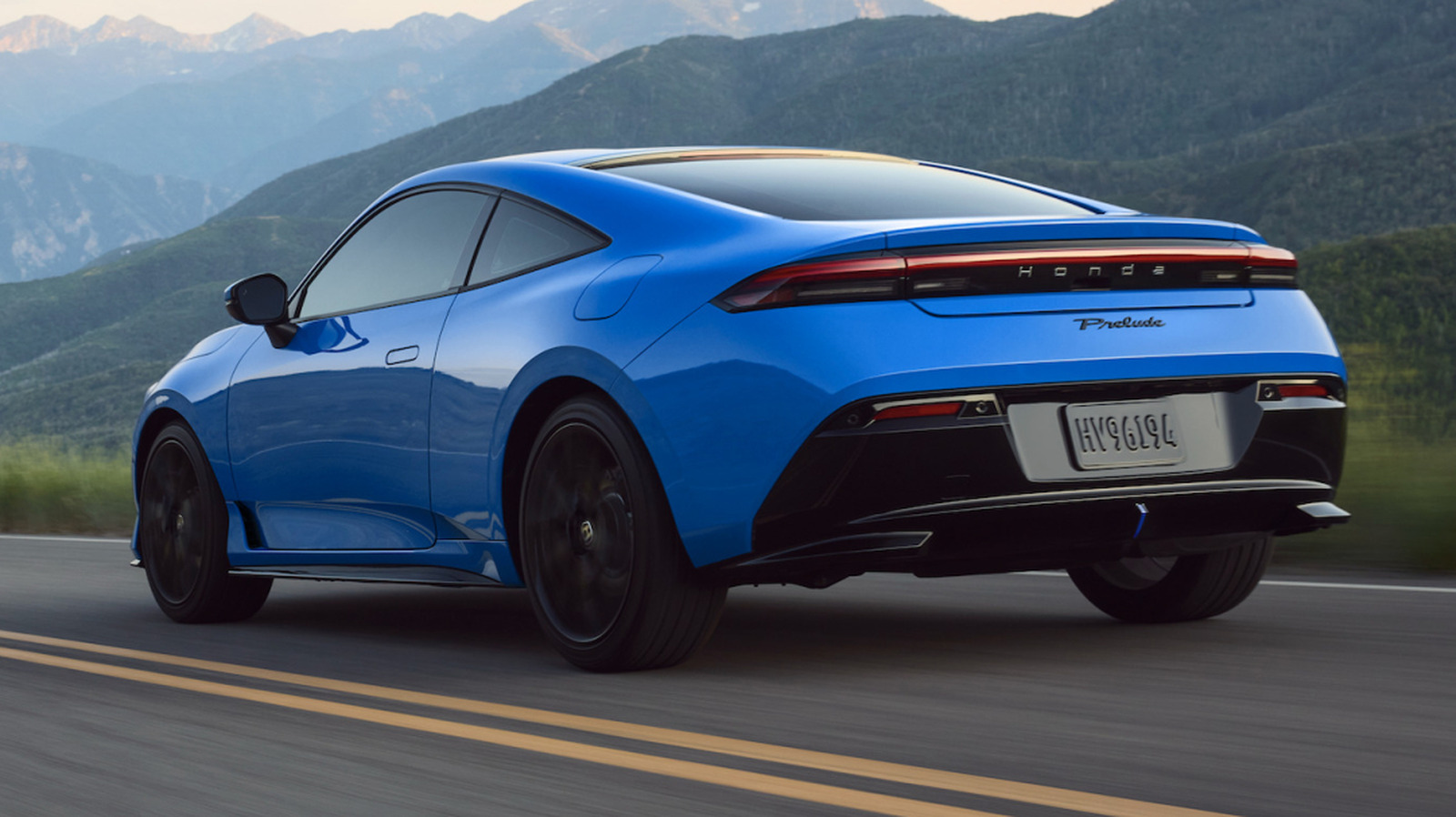
The Honda Civic and Civic Type R drew significant attention. Honda has proven its rear-wheel-drive expertise with the S2000 and the NSX, and readers argued that rotating the engine 90 degrees would improve balance, weight distribution, traction, and suspension geometry. The Civic Type R is already one of the best front-drive performance cars ever built, but the idea of a rear-drive version is enough to make any enthusiast weak at the knees.
The Acura TL Type S from 2007 to 2008 was nominated multiple times, with readers citing the manual-equipped model and its “stout” J-Series motor as a perfect candidate for rear-wheel drive. The Toyota Solara from the mid-2000s, particularly with the 3.3-liter V6, was praised for having a solid engine with “a bit of a kick.” And the Mitsubishi 3000GT, specifically the non-VR4 model, was submitted with a compelling argument: understeer is harder to correct than oversteer.
European Flair and the GTI Question
The Volkswagen Golf GTI has been the benchmark for front-drive hot hatches for decades. It is practical, refined, and consistently fun to drive. But readers imagined what it would be like with rear-wheel drive, and the case is stronger than a single nostalgic quote suggests.
The GTI’s MQB platform already underpins the rear-wheel-drive-based Golf R in its latest form, and Volkswagen has built rear-drive Golf concepts before, including the mid-engine Golf GTI W12-650 concept unveiled in 2007. Moving the GTI’s power to the rear would shift weight off the front tires, reduce the torque steer that has grown more noticeable as outputs climb, and allow the chassis to rotate under throttle rather than simply resist it. The GTI would not become a Porsche 911, but it would join a small group of rear-drive compact performance cars that enthusiasts have been asking for since the E30-generation BMW 3 Series went front-drive-adjacent in the modern era.
The Acura TL Type S and the other European-adjacent nominations round out this category. The thread made clear that the desire for rear-wheel drive crosses borders and price points.
The Electric Argument: Why All EVs Should Be RWD
Perhaps the most forward-looking nomination was not a specific car at all, but an entire category: all electric vehicles. Readers pointed out that EVs have no packaging or efficiency penalty for rear-wheel drive. There is no engine up front to dictate where the wheels are driven, and electric motors can be placed at either axle with equal ease. Software can even simulate front-wheel-drive behavior for safety in low-traction conditions.
The argument is simple. If you are building an electric car from a clean sheet, why not make it rear-wheel drive? You get better power transfer under acceleration, improved weight distribution, and a more engaging driving experience. The fact that many automakers still default to front-wheel drive for their mass-market EVs is a choice, not a necessity. Readers argued it is the wrong one.
Common Themes and Takeaways
Across the hundreds of comments, a few themes emerged repeatedly. The first was understeer. Time and again, readers complained about front-drive cars plowing through corners when pushed. Rear-wheel drive, by contrast, offers more neutral handling and the ability to rotate the car with the throttle.
The second was torque steer. As front-drive cars have grown more powerful, the problem of the steering wheel tugging under hard acceleration has become more pronounced. Rear-wheel drive eliminates it entirely.
And the third was a simple, almost philosophical point: almost every front-wheel-drive car would be better as rear-wheel drive. That is not to say front-drive cars are bad. Many are excellent. But the enthusiasts who responded to the Jalopnik prompt were unanimous in their belief that rear-wheel drive is the superior layout for driving pleasure.
Conclusion: The Dream Garage of RWD Conversions
The Jalopnik community’s wish list is a fascinating blend of nostalgia and forward thinking. It includes humble hatchbacks and luxury coupes, Japanese compacts and American grand tourers, gas-powered icons and electric vehicles that have yet to be built. What unites them is a shared belief that the drivetrain layout matters, and that rear-wheel drive is worth celebrating.
Will any of these cars actually make the switch? Probably not. The economics of car manufacturing favor front-wheel drive for most mass-market vehicles, and that is unlikely to change. But the conversation is a reminder that enthusiasts care deeply about how a car feels, not just how it performs on paper. And as electric vehicles reshape the automotive landscape, there may be an opportunity to bring rear-wheel drive back to segments where it has long been absent.
Until then, we can dream. A rear-wheel-drive Prius Prime. A rear-wheel-drive Civic Type R. A rear-wheel-drive Golf GTI. It is a fantasy garage, to be sure, but it is one worth building.
Meta description: The Jalopnik community named the front-wheel-drive cars that would be better as rear-wheel drive, from the Toyota Prius Prime to the Honda Civic Type R. Here is the full list and why RWD still matters.





One Comment