Honda’s Surprising Move into Ladder-Frame Trucks
The reports, circulating in the Japanese motoring press, indicate that Honda will source a ladder-frame pickup from Mitsubishi rather than develop one in-house. If accurate, it would be Honda’s first proper body-on-frame truck, distinct from the unibody Ridgeline it has sold in North America for years.
The logic behind a rebadge is straightforward. Developing a ladder-frame chassis, a diesel powertrain and the towing and payload capability to match established players is expensive, and the volumes rarely justify the investment for a company that does not already have a truck platform in production. Sharing with Mitsubishi, which already builds the Triton for a global network of markets, sidesteps most of that cost.
It is also not without precedent. Rebadging across Japanese manufacturers is common in the pickup segment, where platform sharing keeps prices competitive in markets that are extremely price-sensitive.
The Mitsubishi Triton Connection
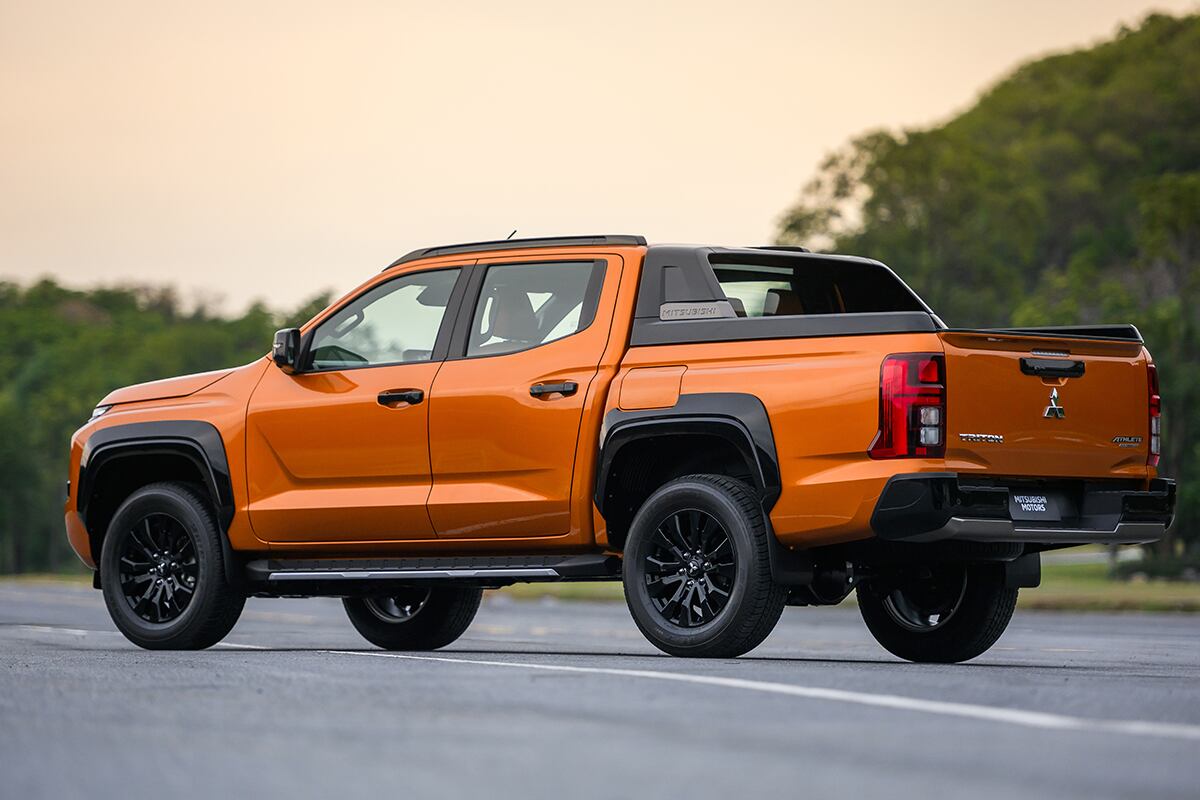
The current Triton is a mid-size pickup built on a ladder-frame chassis, which is the architecture that underpins its off-road ability and load-carrying credentials. It is sold across Southeast Asia, Australia and New Zealand, among other markets.
The current Triton is described as a more refined proposition than its predecessor, with improvements to suspension, chassis and cabin. The Triton is offered with a range of powertrains depending on market, including diesel options.
That combination is exactly what buyers in rural and commercial markets expect. It is also precisely the kind of vehicle Honda has never had in its line-up.
Why Honda Needs a Ladder-Frame Pickup
Honda’s existing truck offering, the Ridgeline, is a unibody design. It drives more like a large SUV than a traditional pickup, which makes it comfortable and practical for suburban use but limits its appeal where genuine off-road capability and heavy towing matter.
In Southeast Asia, Australia and many emerging economies, the ladder-frame pickup is not a lifestyle choice. It is a work vehicle, a family transport solution and, in some markets, the default all-purpose car. That segment is enormous, and Honda has effectively been absent from it.
There is also a strategic angle. Honda’s global product plan leans heavily on hybrid and electric vehicles, and a body-on-frame diesel pickup sits awkwardly against that narrative. But the company still needs to sell vehicles in markets where electrification is arriving slowly and where a rugged truck is a commercial necessity. A rebadged Triton fills that gap without requiring Honda to divert engineering resources away from its electrified core.
There is no indication a Honda version would come to the UK.
Potential Design and Branding
The reports do not detail how far Honda would differentiate a rebadged Triton, and much of what has been discussed so far is speculation. A Honda version would be expected to receive its own styling and interior treatment to distinguish it from the Mitsubishi, but the extent of that work is unknown.
A light rebadge keeps costs down but risks looking like a cynical exercise. A more thorough rework, with revised suspension tuning and a distinct cabin, would cost more but give the truck a clearer identity.
Given Honda’s reputation for interior quality and ergonomics, the cabin is where a Honda-badged Triton could most plausibly stand apart. The underlying chassis and drivetrain would be expected to carry over from the Mitsubishi, though nothing has been confirmed.
Competitive Landscape
A Honda pickup would enter one of the most entrenched segments in the global car market. The Toyota Hilux, the Ford Ranger and the Isuzu D-Max are the established names in this class, and each has built up a loyal following over many years.
Honda’s advantage would be brand recognition and dealer presence in markets where it already sells cars, motorcycles and power equipment. Its challenge would be convincing commercial buyers that a rebadged Mitsubishi is worth choosing over a Hilux or Ranger, particularly when those rivals have decades of fleet credibility behind them.
Price, warranty terms and local dealer support would matter more than badge appeal in this segment. Honda would need to be competitive on all three.
Production and Launch Timeline
The Japanese media reports do not give a confirmed launch date, and Honda has not publicly acknowledged the plan. The reports also do not specify where a Honda-badged version would be built, though the vehicle is based on an existing Mitsubishi platform.
Timelines in the pickup segment tend to be long. A rebadge still requires engineering work, homologation for each market and dealer preparation, so a launch is unlikely to be immediate. Buyers should expect further details to emerge over the coming months rather than weeks.
Honda’s Broader Strategy
This move sits within a wider picture of Honda balancing electrification with the realities of global markets. The company has been rolling out hybrid and electric models at pace, and its performance range continues to attract attention, as seen in the 2027 Honda Civic Type R Facelift Revealed: Heated Seats, Retuned +R Mode and a Sharper Front End, which showed how the brand is refining existing models rather than reinventing them.
That pattern fits the pickup plan. Rather than developing a truck from scratch, Honda appears willing to partner and rebadge where the business case demands it. It is a pragmatic approach, and one that reflects broader industry thinking about where to spend development money.
What to Watch Next
The story is still at the report stage, and Honda has yet to confirm anything officially. The key things to watch are whether the company acknowledges the plan, which markets are named first, and whether the vehicle is a light rebadge or a more substantial rework.
If it goes ahead, it would mark Honda’s first genuine entry into the ladder-frame pickup segment and give the brand a presence in markets where it has long been a spectator. For buyers in those markets, more choice in a segment dominated by a handful of names can only be a good thing.
For everyone else, it is a reminder that even the most electrification-focused manufacturers still need to sell the right vehicle in the right place. Honda’s future may be electric, but its present clearly still has room for a diesel pickup with a Mitsubishi underneath.