
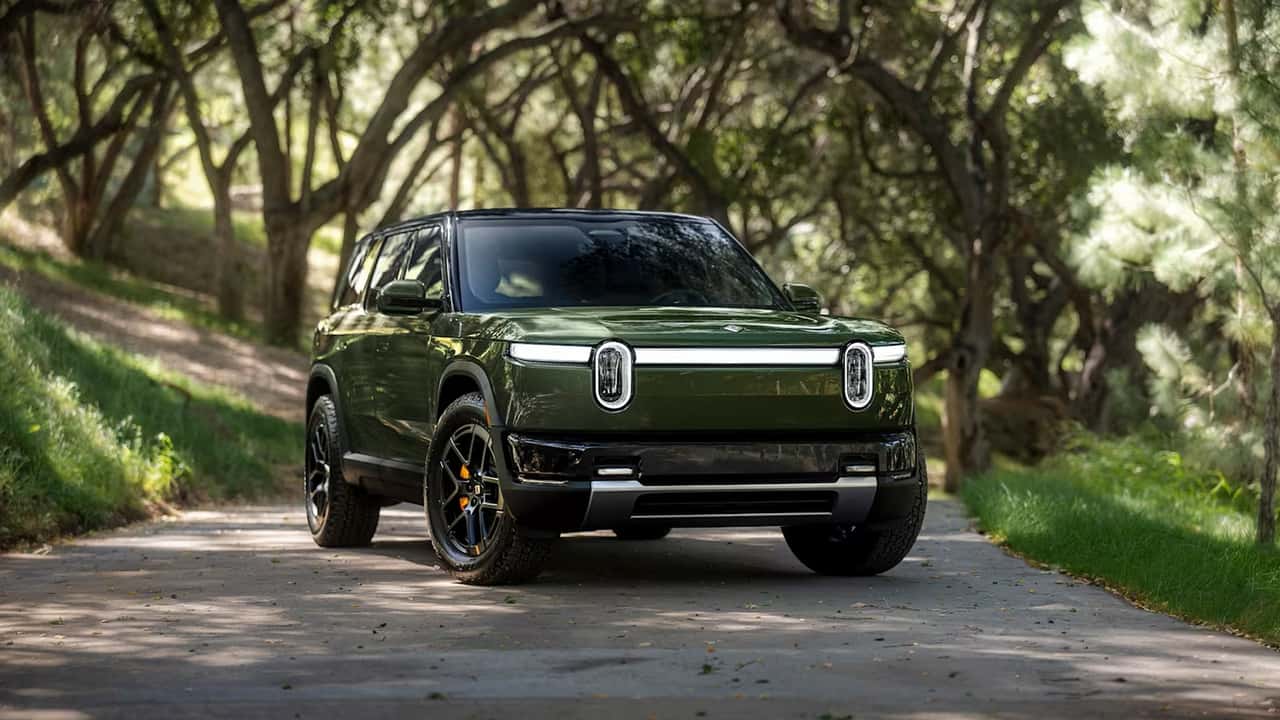
Rivian’s first R2 recall at a glance
The headline number is 98,828 vehicles. All three of Rivian’s current models are caught, which means the company’s whole showroom is covered by a single safety notice. The defect breaches US Federal Motor Vehicle Safety Standards, specifically the requirement that a rear-view camera image must appear within two seconds of the transmission being shifted into reverse and must not be obstructed once it does.
For a brand that has spent its existence arguing that electric vehicles can be desirable as well as sensible, a recall that touches every model it builds is an unwelcome piece of symmetry. It is also, in practical terms, one of the least disruptive recalls a manufacturer could face, because the remedy was written and distributed long before the paperwork was signed.
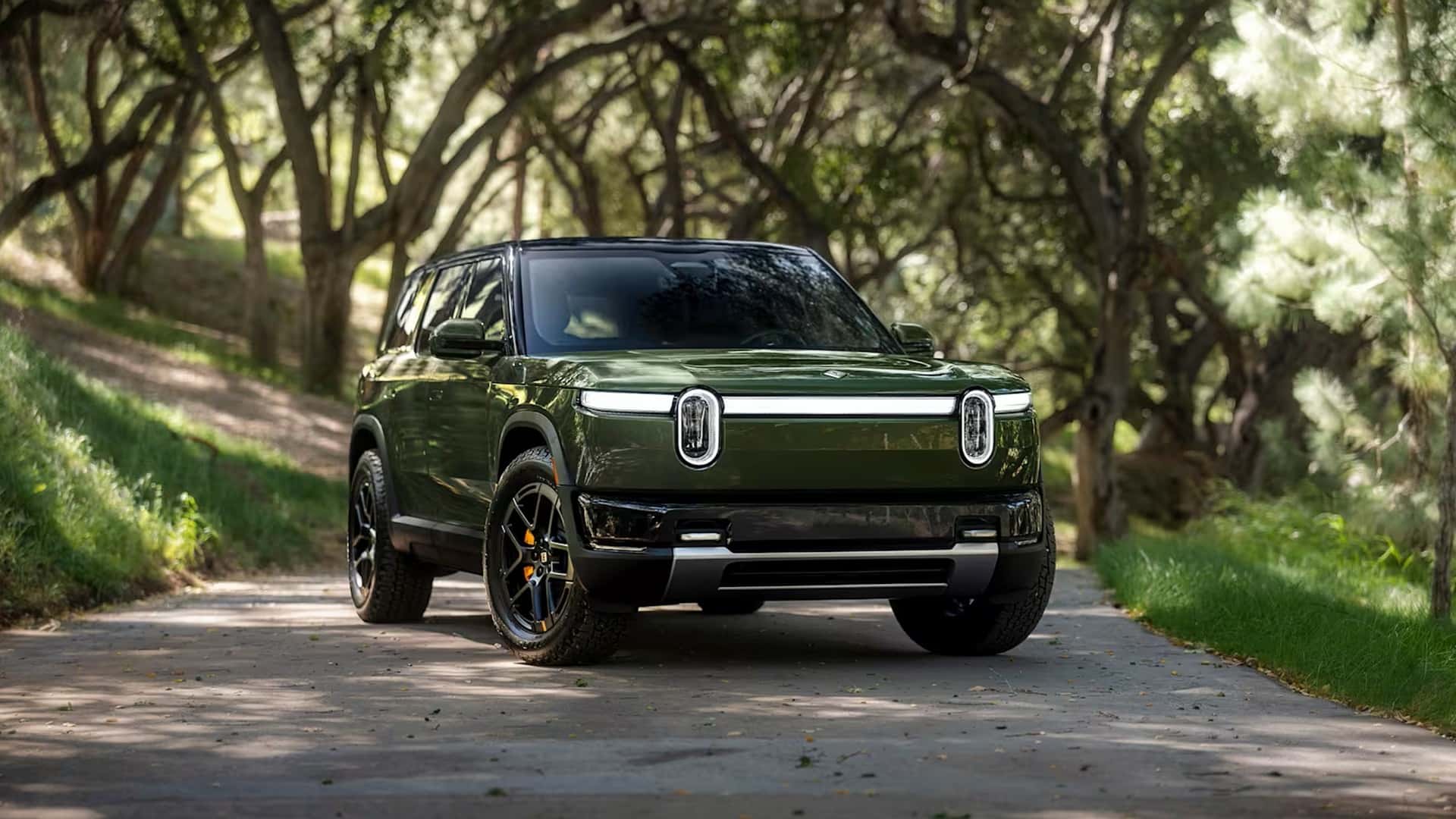
What actually goes wrong
The chain of events is narrow but entirely plausible. In certain drive modes, the driver can switch stability control off. When that happens, an on-screen alert appears asking them to return to a mode where electronic stability control is active. If the driver ignores that prompt and shifts into reverse instead, the notification stays on the infotainment display and overlaps the rear camera feed. Reports indicate the pop-up blocked the camera view until the vehicle began moving.
That overlap is the whole of the defect. There is nothing wrong with the camera itself, nothing wrong with the wiring and nothing wrong with the display. It is a question of layering: which element of the interface sits on top of which, and whether a safety-critical image is allowed to be covered by a message that can wait.
The two-second rule exists because reversing is one of the highest-risk manoeuvres a driver performs, and the camera is the primary aid for it. A warning about stability control, however legitimate, has no business occupying that screen at that moment.
Which vehicles are involved
The recall splits across three models and a surprisingly long production window:
- Rivian R2: 2,481 vehicles, 2027 model year, built between 23 April 2026 and 10 August 2026.
- Rivian R1S: 62,259 vehicles, 2022 to 2027 model years, built between 30 March 2022 and 6 August 2026.
- Rivian R1T: 34,088 vehicles, built between 23 August 2021 and 6 July 2026.
The R1S accounts for the bulk of the population, which follows from it being the volume seller of the two larger models. The R1T’s build window stretches back nearly five years, to August 2021, underlining how long the software in question has been in service. The R2 figure is tiny by comparison, a reflection of a production line that is still finding its rhythm rather than any suggestion the newer model is more robust.
These figures, model years and build dates all refer to the US market recall filed with NHTSA.
The fix is already in owners’ hands
Rivian identified the problem during internal testing between July and September 2025. Rather than waiting for a formal recall process to run its course, the company pushed an over-the-air software update that corrected the layering behaviour. That update has now reached 96% of affected R2s and 95% of affected R1S and R1T models.
For the overwhelming majority of owners, then, the recall notice is a formality confirming work that has already been done, possibly without them noticing. There is no workshop visit, no loan car, no waiting for a part. It also raises a question the recall system has not had to answer before: how it should account for defects that are resolved before the public ever hears about them.
Why the timing matters for the R2
R2 deliveries began in June, which puts this recall roughly three months into the model’s life. It is the first recall for the R2 line, and it arrives while Rivian is still building the car’s reputation from scratch.
That matters more than the raw numbers suggest. The R2 is the model on which Rivian’s ambitions for scale rest. It is smaller, cheaper and aimed at a far broader audience than the R1 pair. A first recall within a quarter of launch is not a crisis, particularly when the remedy is a download, but it does mean the R2’s early ownership story now includes a safety notice.
A separate camera complaint to watch
There is a second camera thread running alongside this recall, and it is not covered by it. Owners on Reddit have reported that the Rivian OS2 update left cameras feeling laggy and poor in quality, with some freezing or taking longer than the FMVSS-required time to launch when reverse is selected.
Those complaints describe a different problem from the one in the recall. The recall concerns a notification overlapping the camera image; the owner reports concern the camera image itself failing to appear promptly or at all. NHTSA could open an investigation into the complaints, and if a defect is found, a further camera-related recall could follow. For now, nothing has been confirmed, and Rivian has not issued a recall covering the lag.
It is worth keeping the two apart. A software update that fixes one camera behaviour does not necessarily address the other, and owners who experience a slow or frozen camera should report it rather than assume it falls under the existing notice.
What owners should take from this
For the vast majority of R1T, R1S and R2 owners, there is nothing to do. The corrective software has already been installed, and the recall notice simply records it. Anyone who has somehow missed the update should ensure their vehicle is connected and up to date, since the fix arrives the same way any other Rivian software release does.
The broader point is that a defect existing only in software, affecting nearly 99,000 vehicles and remedied before the formal notice is issued is a genuinely new category, and the rules were not written with it in mind. The gap between when a fault is fixed and when it is disclosed is likely to attract more scrutiny as software-defined vehicles become the norm rather than the exception.




2 Comments