
What the ban actually covers
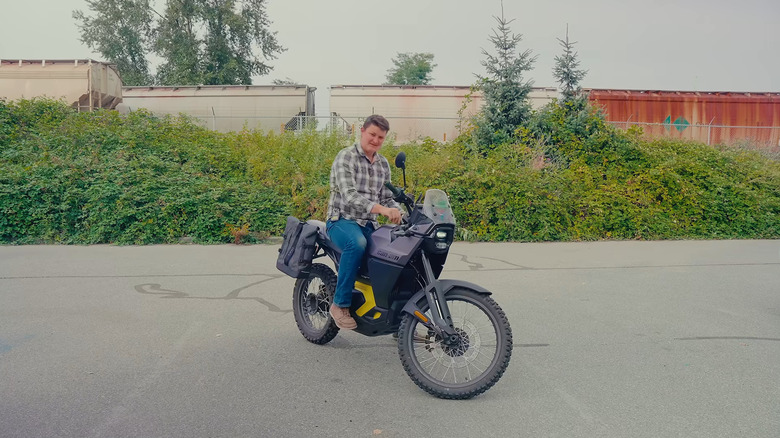
A ban on “high-displacement Canadian motorcycles” conjures images of a broad sweep against a thriving export sector. The reality is narrower and more puzzling. Two Canadian motorcycle models are named in the measure, but neither is truly affected by it. The only vehicles that end up blocked are larger Can-Am trikes, the three-wheeled machines built by Bombardier Recreational Products (BRP).
That gap between the stated target and the practical outcome raises obvious questions about the effectiveness of the measure. If the intent was to pressure Canada’s motorcycle industry, the ban largely misses. If the intent was to send a political signal, it does that far more effectively than it disrupts any actual trade flow. Either way, the numbers involved are small enough that the move functions less as economic leverage and more as symbolism.
For context, this is not happening in isolation. The Canadian automotive sector has been navigating a turbulent stretch of tariff threats, supply chain reshuffles and plant-level uncertainty, of which the motorcycle measure is only the latest fragment.
The tariff tit-for-tat
To understand how motorcycles ended up here, you have to follow the chain of retaliation. The US ban is a response to Canada’s tariff on Harley-Davidson motorcycles. That tariff, in turn, was itself a response to earlier US trade actions, part of a cycle of tit-for-tat measures that has been running for some time.
This is a familiar pattern in modern trade policy. One country imposes duties on steel or aluminium, the other hits back on a symbolic American export, and before long the dispute has pulled in products that have nothing to do with the original grievance. Harley-Davidson, an iconic American brand with a devoted following, made an obvious target for Canadian retaliation. The US answer, aimed at Canadian motorcycles, was equally predictable in its logic, if not in its execution.
The trouble with retaliation as a strategy is that it tends to escalate rather than resolve. Each side can justify its measure as a proportionate response to the other’s provocation, and the original point of contention, whatever it was, gets buried under layers of countermeasures. Motorcycles, in this case, are simply the latest vehicle for a disagreement that started somewhere else entirely.
FortNine’s take: politics, not trade
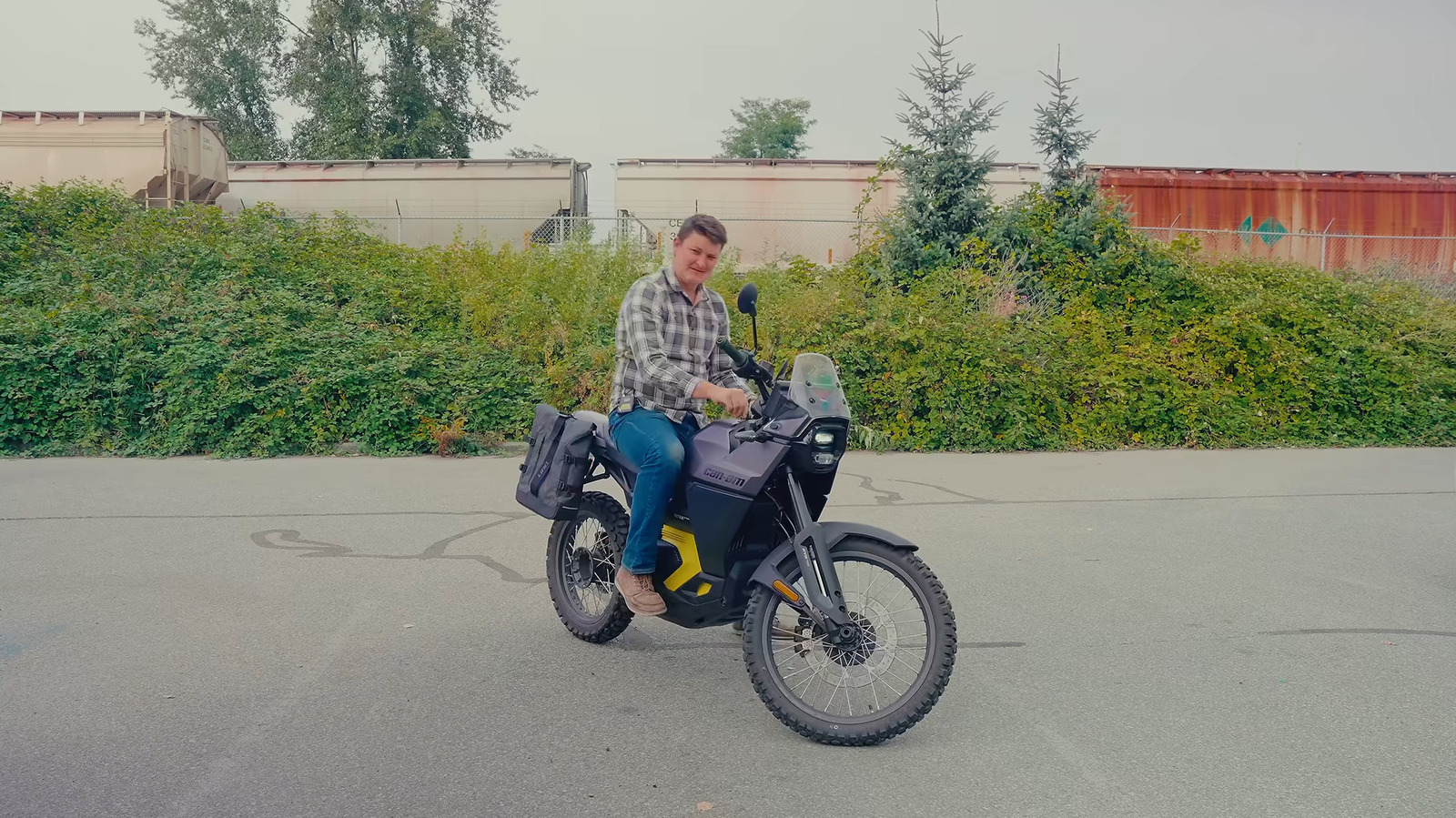
The most clear-eyed assessment of the situation has come from FortNine, the Canadian motorcycle media outlet known for its sharp, well-researched video journalism. Covering the dispute from the Canadian side, presenter RyanF9 argued that the trade war is not really about motorcycles at all.
His conclusion is that the measures stem from political posturing rather than any careful assessment of trade inequities. That is a pointed claim, but it is hard to argue with on the evidence. When a ban names models it does not affect and blocks only a narrow category of vehicles, the economic rationale looks thin. What remains is the political theatre: a government seen to be acting tough, a base reassured that something is being done, and an industry left to work out what it all means.
What it means for riders and the industry
For most riders, the practical impact of this particular ban is likely to be minimal. The models named are not affected, and the vehicles genuinely blocked, the larger Can-Am trikes, make up a small share of the market. Anyone in the United States shopping for a three-wheeled Can-Am will feel the pinch; the vast majority of motorcyclists will not.
That does not mean the dispute is harmless. Trade tensions of this kind add uncertainty to the motorcycle market, and uncertainty has a cost. Dealers hesitate to commit to inventory. Manufacturers delay investment decisions. Buyers, sensing instability, put off purchases. None of that shows up in a headline about a ban, but it accumulates quietly across the sector.
There is also the broader principle at stake. Niche vehicles are especially vulnerable in trade wars because they lack the lobbying power and economic weight to protect themselves. A carmaker with hundreds of thousands of jobs on the line can command attention in Washington or Ottawa. A motorcycle manufacturer, or a maker of three-wheeled trikes, cannot. When retaliation targets are chosen, smaller players are often the easiest to hit and the least able to push back.
The wider context matters here too. Tariff policy in North America has been volatile, with knock-on effects for parts supply, manufacturing costs and vehicle pricing that reach well beyond motorcycles. The industry has learned to expect the unexpected, but that adaptability comes at a price.
A dispute that was never really about motorcycles
The US ban on Canadian motorcycles is best understood as a political gesture dressed up as trade policy. It names models it does not affect, blocks only a narrow slice of vehicles, and does little to address whatever underlying grievance prompted it. Canada’s tariff on Harley-Davidson was itself a retaliatory move, and the cycle shows no sign of resolving.
What the episode really demonstrates is how easily motorcycles become collateral damage in larger trade battles. The issues at the heart of the US-Canada dispute, whatever their precise shape, remain unresolved. Until they are, riders and manufacturers on both sides of the border can expect more measures like this one: symbolic, narrow, and ultimately more about appearances than about the machines themselves.
We covered manthey marks two limited in more detail elsewhere.