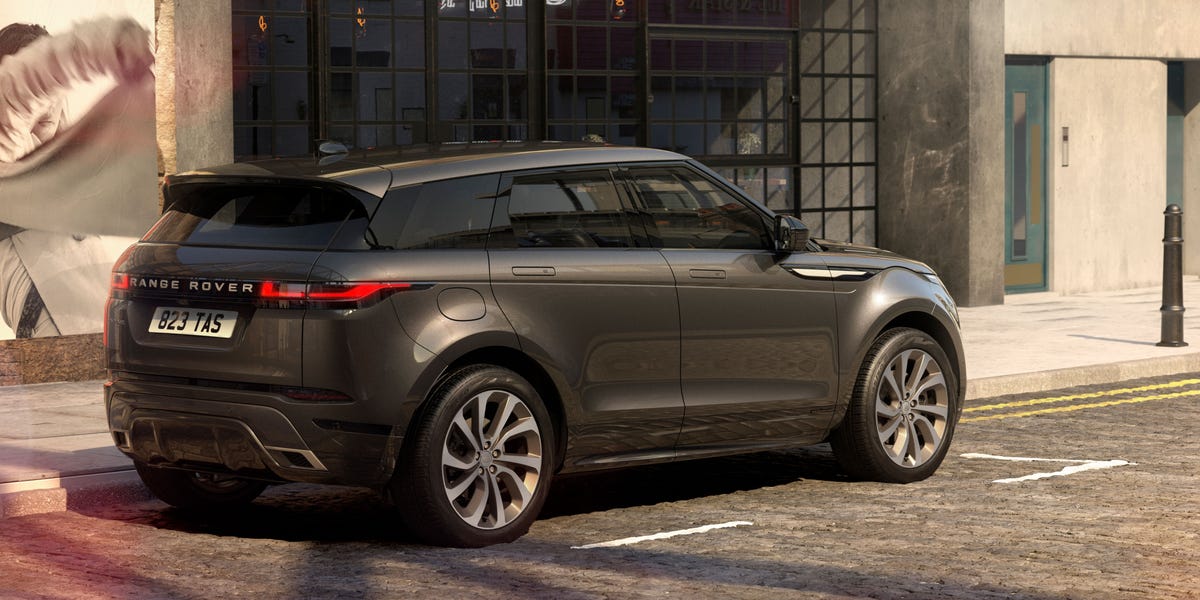
JLR has confirmed the worst-kept secret in Warwickshire: the Range Rover Evoque and Range Rover Velar will both cease production in mid-2027. The two models that made the Range Rover badge attainable for a generation of buyers are being retired, and the vehicle taking their place will cost considerably more.
JLR makes it official
The confirmation came directly from JLR in statements to Car and Driver and Road & Track. Both models will continue to be sold in selected global markets where demand remains strong throughout 2027, but the line stops there.
“Production of both models will end in mid-2027 in line with their natural product lifecycles, as JLR’s manufacturing facilities transition to build its next generation of vehicles,” the company said.
Martin Limpert, Range Rover’s global managing director, had already signalled the direction of travel, telling Autocar that both models would be built through 2027 but not beyond.
Why now?
The arithmetic tells most of the story. In the US, the Evoque and Velar together accounted for just 6,000 Land Rover sales so far this year, roughly 10 percent of the brand’s volume. Two models, two full production lines and two sets of tooling, delivering a tenth of the business. That does not survive a board meeting.
Neither car is young, either. The current Evoque was revealed in 2018, the Velar a year earlier in 2017. Both received mid-cycle refreshes for the 2024 model year, which in product planning terms is the last significant spend a car gets before replacement becomes the only option.
The push toward electric flagships has done the rest. JLR is redirecting engineering resource and factory capacity toward bigger, more expensive, more profitable vehicles, and the Evoque and Velar sit on the wrong side of that line.
Enter the Range Rover GT
The replacement is a new entry-level Range Rover called the GT, arriving as a 2028 model. It is a long, low, sedan-like electric vehicle with a minimalist interior and an all-wheel-drive powertrain, a clear break from anything currently wearing a Range Rover badge.
It will launch first as an EV, though JLR says the platform can accommodate petrol and hybrid powertrains if markets demand them. That flexibility is sensible given the uneven pace of EV adoption, and it is a reminder that JLR is hedging even as it talks up an electric future. The picture is not uniformly rosy on the electric side either, with US EV sales falling 30% in 2026 as the tax credit hangover fades and Tesla tightens its grip, a reminder that betting a brand’s next chapter on battery power carries risk.
A much higher entry point
Here is the number that matters. The Range Rover GT is expected to start at around $90,000 in the US, where the Evoque currently starts at roughly $52,000 and the Velar at around $64,000. That is roughly £67,000 at current exchange rates, against about £39,000 and £48,000 for the two cars it replaces.
That is not a price rise. That is a different customer. The Evoque in particular was the car that let a successful professional walk into a Range Rover showroom and drive out in something with the right badge on the nose. The GT asks for roughly 70 percent more than the Evoque did, and it asks it of buyers who could previously have been shopping a mid-spec German saloon instead.
Whether the Range Rover name carries enough weight to justify that jump is the multi-billion dollar question JLR has just answered for itself. The brand’s logic is clear: fewer, more expensive cars, sold at higher margin, is a better business than volume at the bottom end. It is the same calculation every premium manufacturer has made in the last five years.
Where they will be built
Solihull keeps the crown jewels. The full-size Range Rover, the Range Rover Sport and the forthcoming Jaguar Type 01 will all continue there.
Halewood takes on the Range Rover GT and a new model from the Defender family. That is a significant vote of confidence in the Merseyside plant, and it spreads JLR’s risk across two manufacturing sites rather than concentrating everything in the West Midlands.
What fills the gap below the GT
The obvious question is who serves the buyer who wanted an Evoque and cannot stretch to a GT. JLR’s answer is the Defender and Discovery brands, which are expected to cover the range beneath the new car once the Evoque and Velar go.
The Discovery already sits at roughly the same price as a Velar, so that transition is straightforward. The more interesting move is a smaller Defender. A junior model, reported in the motoring press as a Defender Sport, is in the works, and JLR has confirmed a new Defender-family model is coming. That car becomes the de facto entry point to the group’s off-road-flavoured line-up.
There is also the question of what happens to the Discovery line at the bottom. The Land Rover Discovery Sport was discontinued after the 2026 model year, and a revived electric Discovery Sport has been speculated as a future entry point. Nothing is confirmed, but the gap in the range is glaring.
The bigger picture: electric flagships only
Step back and the strategy is remarkably consistent. JLR is clearing out its mid-priced combustion models and replacing them with electric flagships across both brands. The Range Rover Electric is part of that plan, and the Range Rover Sport Electric, with 378 miles of range, 542bhp and a 2027 arrival date, is close behind, according to a previous AutoPulse report.
Once the Evoque and Velar leave, the Range Rover line-up shrinks to three models: the Range Rover, the Range Rover Sport and the GT. That is a dramatic simplification from a brand that once offered convertibles, coupés and a bewildering array of trims.
The bet depends on stable rules and predictable demand for high-value electric vehicles, neither of which is guaranteed while governments keep tinkering with the incentives and tariffs that shape the market.
The end of the accessible Range Rover
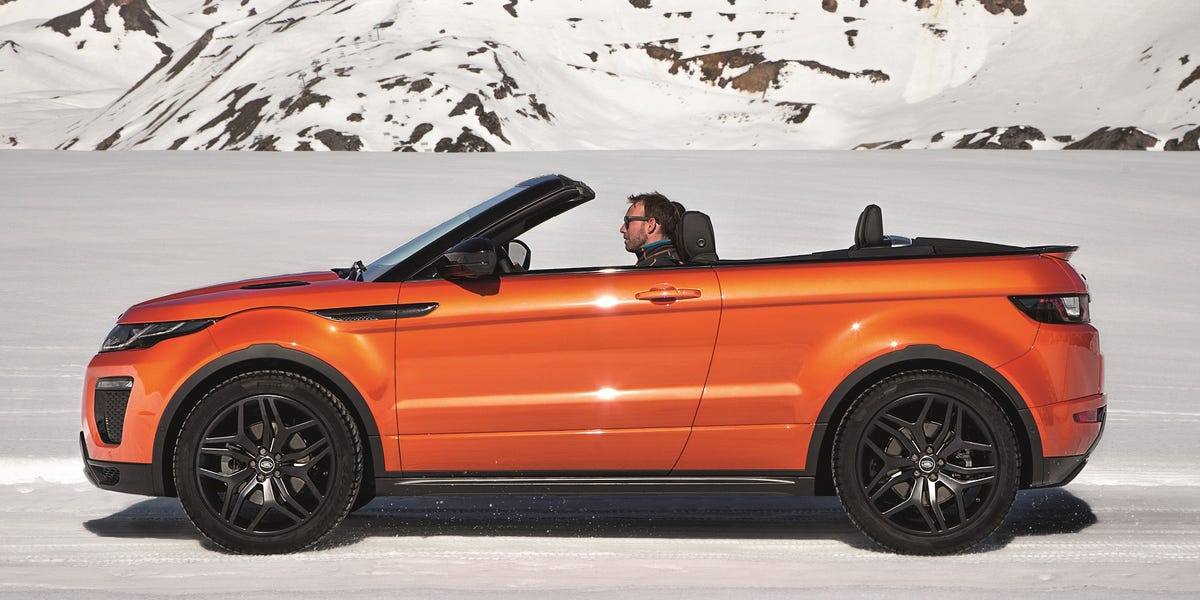
The Evoque and Velar were never universally loved. The Evoque drew criticism for its cramped rear seats and compromised visibility, and the Evoque Convertible remains one of the strangest decisions in modern automotive history. The Velar, beautiful as it was, occupied an awkward space between the Evoque and the full-size Range Rover that confused as many buyers as it attracted.
But both cars did something important. They grew JLR’s sales, brought new customers into the brand and made the Range Rover badge mean something to people who could not spend six figures on a car. The Evoque in particular became a fixture of suburban driveways and company car parks, and it did more to broaden the brand’s appeal than any marketing campaign could have managed.
Retiring both in favour of a circa $90,000 electric GT is a deliberate choice to stop chasing that customer. JLR has decided that the Range Rover name should sit firmly at the top of the market, and that the Defender and Discovery can handle everything below. Whether buyers follow them up the ladder, or simply walk across the road to a rival showroom, is the gamble the company has now made in public. The Evoque and Velar will be remembered as the cars that opened the door. The GT is the one closing it behind them.