
The question of which carmaker has enjoyed the biggest “glow-up” sounds like a simple one. In practice, it opens an argument about design, engineering, reliability and identity. Jalopnik recently put that question to its readers, asking which automaker had transformed itself most dramatically at any point in its history, defunct brands included. The prompt offered Lincoln as a recent example of a marque that had turned things around, and plenty of commenters nodded along. What followed, though, was far more interesting than the expected love-in for Korea’s rise.
Korean brands were widely tipped to dominate the replies. They did not. Instead the thread wandered through French budget hatchbacks, American luxury barges, a mid-engined supercar argument and a brand that found its feet just in time to be closed down. Taken together, the responses say something useful about what a glow-up actually is, and why the most convincing ones tend to be the ones that stay true to what a brand already was.
Renault and Dacia: from forgettable to “on an absolute tear”
The most colourful submission came from a reader who described Dacia’s transformation as going “from communist garbage to a real ‘peoples car'”, praising the brand for being affordable, decently built and now genuinely well designed. It is a blunt way of putting it, but the arc is real. Dacia spent years as the punchline of the European car market before reinventing itself around straightforward, honest value, and it has been rewarded with serious volume across the continent.
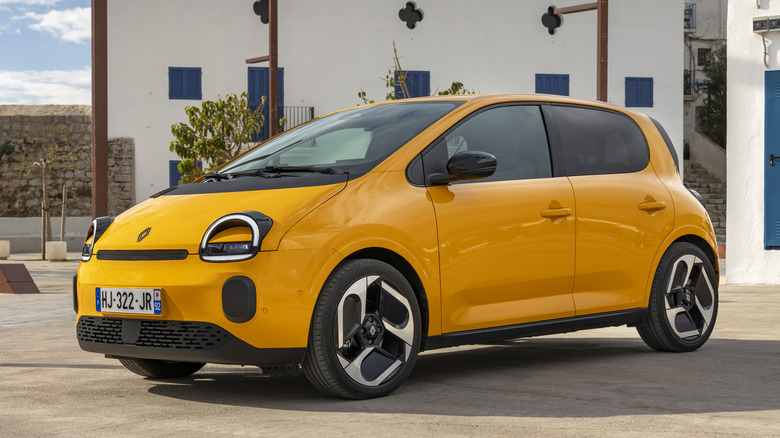
The same reader lumped Renault in with its stablemate, arguing the group went “from forgettable in the 90s/00s to hot stuff in the electric age”, pointing to the new R5 and the new Twingo. That drew a swift correction. Renault, one reply insisted, built some of the best hot hatches of the 90s and 2000s, lost its way in the mid-2010s, and is now firmly back with strong product.
The counter-response conceded the hot hatches but held its ground on the ordinary stuff, arguing Renault’s mainstream cars of that era were unremarkable, with the Avantime as the honourable exception. What matters now, that reader added, is the lineup: the new 5, the new 4, the Twingo and the halo R5 Turbo 3E, all of which they called “eye-opening”. Another commenter summed up the mood in five words: “Renault is on an absolute tear right now.”
That tear extends beyond the showroom cars. Renault has been busy resurrecting its back catalogue in electric form, and the results have been landing well with enthusiasts. The Renault 8 Gordini Concept: The Electric Rebirth of a French Rally Icon is a good example: a 270 bhp rear-drive electric powertrain that deliberately echoes the original’s rear-engined layout. It is the kind of project that only makes sense for a company that has remembered who it is.
Cadillac: Escalade confidence and the Blackwing era
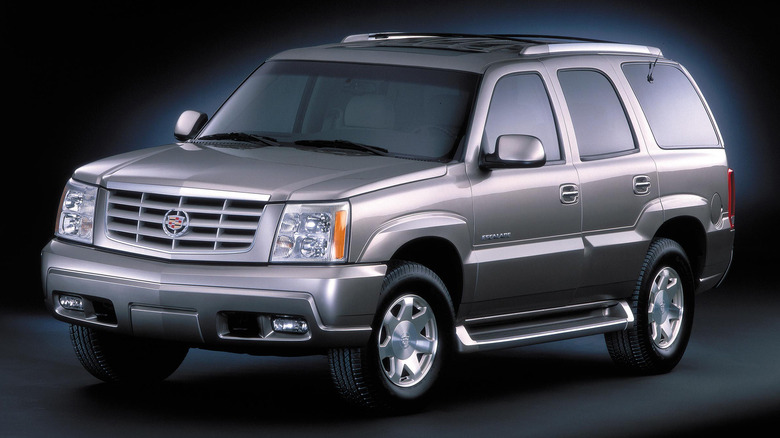
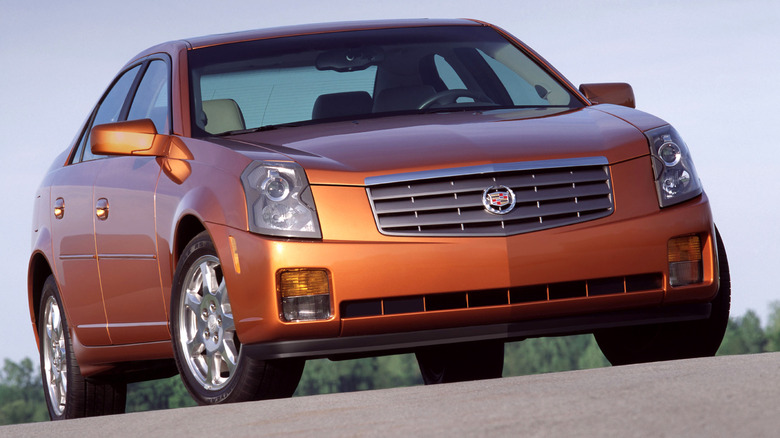
If Renault’s glow-up is about rediscovery, Cadillac’s is about ambition. Cadillac does not sell cars in the UK, so some of the names below will be unfamiliar, but the shape of the story is clear enough. One reader recalled the brand building “boring grandparent cars” through the 1990s before everything changed. The list they rattled off runs long: the Escalade, CTS-V, ATS-V, CT4-V Blackwing, CT5-V Blackwing, CT6-V and Escalade-V, with the added note that Cadillac’s crossovers “don’t look half bad” either.
Another commenter traced the chain of cause and effect more precisely. The Escalade’s commercial success, they argued, gave Cadillac the confidence to launch the CTS, and the CTS in turn led to the V-series. The XLR and the ELR may have flopped, but both showed a level of ambition from a brand long associated with front-wheel-drive “floaters”. Today, that reader said, the lineup offers viable products at every level plus the Blackwings, and Lincoln “is not as planted as Cadillac right now”, cannot pull off a sedan and would feel off launching anything performance-related.
Cadillac’s “Art & Science” design language got a namecheck too, credited with taking the brand’s styling to another level entirely. It is a rare thing for a manufacturer to change its visual identity so completely and have enthusiasts approve.
The case against chasing Europe
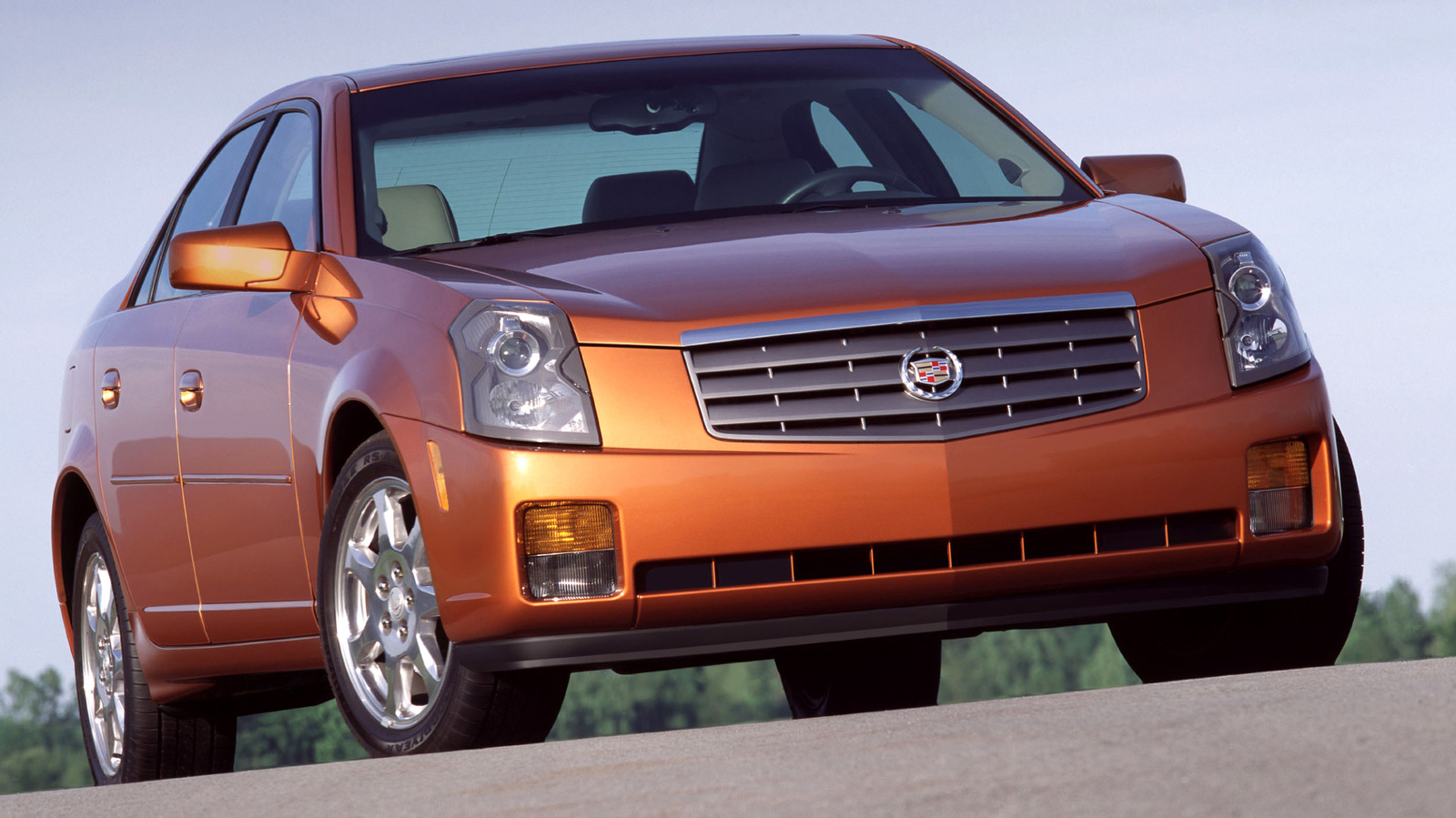
Not everyone is convinced. One dissenting commenter argued Cadillac went from pure American luxury to “an American BMW”, which was never what the brand was or should have been. Their alternative? The last Lincoln Continental was closer to what Cadillac ought to have been doing, given its history.
The rebuttal is worth quoting in spirit. Cadillac, one reader countered, should be “the upper echelon of whatever the American market desires”, whether that means luxury barges or enormous SUVs. They noted that in the 1980s, new money bought European sedans because opulent couches on wheels were seen as transport for “grandpas and gangsters”. Cadillac took about 15 years to sort out the sedan side of that equation, but it beat its rivals to luxury full-size SUVs and still leads there. An Escalade, they argued, is more recognisable as a luxury item than a BMW X7 or a Mercedes GLS, and European brands only match its panache in Lamborghini Urus territory.
That is the real argument running underneath the whole thread. Is a glow-up about becoming more like the Europeans, or about becoming more emphatically yourself?
Oldsmobile: the glow-up that arrived too late
The most bittersweet entry came from a reader who named Oldsmobile, specifically “right before they were shuttered”. Their evidence was the Intrigue and the Aurora, which they called “really sharp, decent-driving, interesting cars”. Another commenter added a lovely detail, recalling that “Aurora” was one of the first words they read aloud, from classified ads their parents gave them to colour on.
There is a genuine tragedy in that timing. A brand that had spent decades building forgettable transport finally found a design language and a chassis setup worth talking about, only for the corporate axe to fall.
Bugatti and Corvette: can something already great have a glow-up?
One reader answered simply “Bugatti”, which prompted a fair question in response: what do you call a glow-up by something that was “already super glowed up”? It is a reasonable objection. Bugatti’s modern era under Volkswagen Group rebuilt the marque from a dormant name into a genuine engineering statement, but the starting point was already legendary.
Corvette prompted a more detailed case. One reader argued the model qualifies, describing it as more of a sub-brand of Chevrolet in its own right, and pointed out that it has improved with every generation from the C4 through to the C8. The C8 came in for particular praise as a major accomplishment, one in which GM “took the fight to the Europeans” with a well-built car featuring a modern mid-mounted engine and aggressive styling. The one conceded fault, described as possibly justified, is “the wall of buttons” running down the angular pillar. Fair enough.
What the thread really reveals
Strip away the brand loyalties and the thread keeps circling the same three things: reliability, design and identity.
Dacia’s transformation is fundamentally about trust: the cars got better, and buyers noticed. Cadillac’s is about design and engineering confidence, from the Escalade’s swagger through to the Blackwings. Oldsmobile’s is about identity arriving too late to matter commercially. And the argument over whether Cadillac should chase BMW or stay unmistakably American is really an argument about whether a glow-up means changing who you are or finally becoming good at it.
The most convincing transformations in the thread are the ones that did not abandon their roots. Renault went back to small, clever, desirable French cars. Cadillac doubled down on big, bold American luxury and performance. Corvette moved its engine but kept its value proposition. Even Dacia, which changed almost everything, kept the one thing that mattered: the promise of a straightforward car at a straightforward price. As the industry heads into another year of revivals and reinventions, covered in our 2026 Automotive Preview: Revived Icons, Electric Extremes, and the EV Sweet Spot, that lesson is likely to keep repeating. A glow-up is not about becoming someone else. It is about finally becoming the best version of who you already were.




One Comment