Alfa Romeo has been building cars for 116 years, and in that time it has rarely done anything quietly. The brand’s history is a tangle of racing glory, financial near-death experiences and some of the most beautiful shapes ever bolted to a chassis. It is also a marque whose name gets mangled on a near-daily basis.
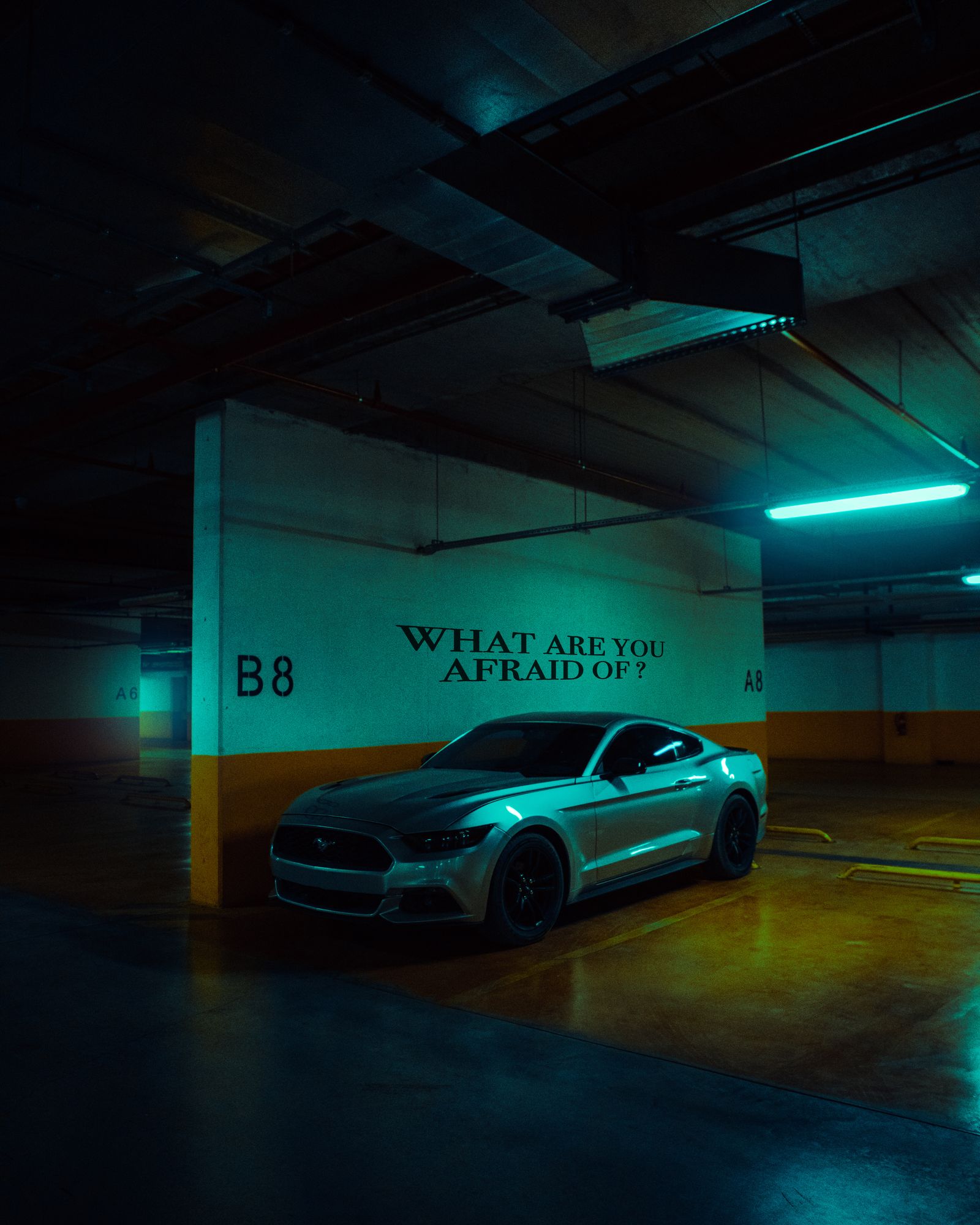
That mix of genuine passion and cheerful butchery is what car culture is really about. The best example I know belongs to a drag-strip acquaintance in the early 2000s. Describing his Mustang, he explained that it ran a “four-ten gear and an axe-cell super cole.” That is an Accel Super Coil, rendered in a regional dialect that no dictionary will ever record. It has stuck ever since as the definitive proof of how car culture bends language to its own purposes.
It is also a useful reminder of how much of this hobby is oral tradition. Specifications get passed down in pit lanes and car parks, mangled slightly at every step, and somehow the meaning survives intact. The “axe-cell super cole” is not a mistake. It is folklore. And it is not an isolated case, as a recent trip to Rome made clear.
Alfa Romeo’s Roman Holiday
Thirty-six hours in Rome with Bridgestone, which was unveiling a new Formula E tyre and showing off its European Technical Center, turned into an accidental Alfa Romeo safari. The city was teeming with them. Modern Giulias and Stelvios shared kerb space with 1980s and 1990s classics still earning their keep, plus older machines that predate most of the people driving them.
Rome suits Alfa better than almost anywhere. Narrow streets, indifferent parking, traffic that treats lane markings as suggestions: this is the environment the cars were built for, and the ones that survive clearly thrive on it. It is a reminder that Alfa’s appeal was never really about outright quality. It was about character, and character does not depreciate.
The Brera: Looks That Flattered to Deceive
Few modern Alfas promised more and delivered less than the Brera. Launched in 2005 and previewed by a concept a few years earlier, the Brera was a 2+2 coupé with genuine presence. It was offered with a V6, a manual gearbox and all-wheel drive, which sounds like a recipe for something special.
It was not, quite. The Brera was not as dynamically sharp as the German rivals it competed against. Buyers who wanted the looks got them in full; buyers who wanted the driving experience were often left wanting. It is the classic Alfa story, and it is exactly why the brand inspires such devotion. Nobody gets misty-eyed about a car that does everything competently.
The 8C Competizione: 829 Cars, and a Problem With Rarity
If the Brera was the disappointment, the 8C Competizione is the one that justifies the whole enterprise. Just 829 were built between 2007 and 2010, split between 500 coupés and the remainder Spiders. In the United States, the model’s largest single market, only 90 cars were officially sold. Even where it was most popular, the 8C was an exceptionally rare sight.
That scarcity is part of the appeal, but it is not the whole story. The 8C is the Alfa that proves the company can still build something breathtaking when the money and the moment align. It sits in the same lineage as other Italian machines that were dismissed as sacrilege before being recognised as masterpieces, a tradition explored in Ferrari Dino 246 GT: The ‘Sacrilege’ V6 That Became Ferrari’s Most Beautiful Car. Enthusiasts are frequently wrong about these things at the time. They usually come round.
Porsche, Porsch, and the Video That Settled Nothing
Alfa Romeo is not the only badge that gets butchered. The correct pronunciation of Porsche is “POR-shuh.” The single-syllable “Porsch” is common, particularly in the US, and one person of the author’s acquaintance insisted on “Posh,” which at least has a certain logic to it.
Porsche eventually produced a video to clarify the matter, which is a wonderfully German response to a problem that a video was never going to solve. People who say “Porsch” are not misinformed. They are committed. The same stubbornness applies to the endless arguments over how to say Hyundai, or whether it is a Jag-you-are or a Jag-war. Nobody wins, and nobody stops.
Ignition Coil Woes and the Lincoln Continental
The “axe-cell super cole” came back with a vengeance recently, when a US-market 1989 Lincoln Continental developed a crank/no start issue. The culprit turned out to be a dead ignition coil, and the fix was straightforward, because 1980s Ford engines will accept any ignition coil used by Fox Body Mustangs, including the Accel Super Coil. Fifty years of parts-bin pragmatism means a tired old Lincoln can borrow from the muscle car crowd without a second thought.
There is something satisfying about that kind of interchangeability, and something slightly melancholy about it too. The days of diagnosing a no-start with a multimeter and a trip to the motor factors are numbered, and the cars that will replace them are covered in The Next Wave of Electric Cars: The EVs Set to Arrive by 2030, a generation of machines that will be faster, cleaner and considerably harder to fix on a driveway.
Why We Keep Getting the Names Wrong
None of this would matter if cars were appliances. The reason people argue about whether it is “POR-shuh” or “Porsch,” and the reason a stranger at a drag strip can still be quoted two decades later for saying “axe-cell super cole,” is that cars occupy an emotional space that few other products manage.
Alfa Romeo understands this better than most. After 116 years, the company still trades on feeling rather than polish, and it still produces cars that people photograph on Roman side streets. The Brera was flawed. The 8C was almost unobtainable. Neither fact has dented the devotion. Someone somewhere is still arguing about both, and the argument will be conducted in gloriously incorrect pronunciation.
So keep saying it wrong. Just be ready to defend yourself, because someone in the pub will have opinions, and they will almost certainly be louder than yours.