
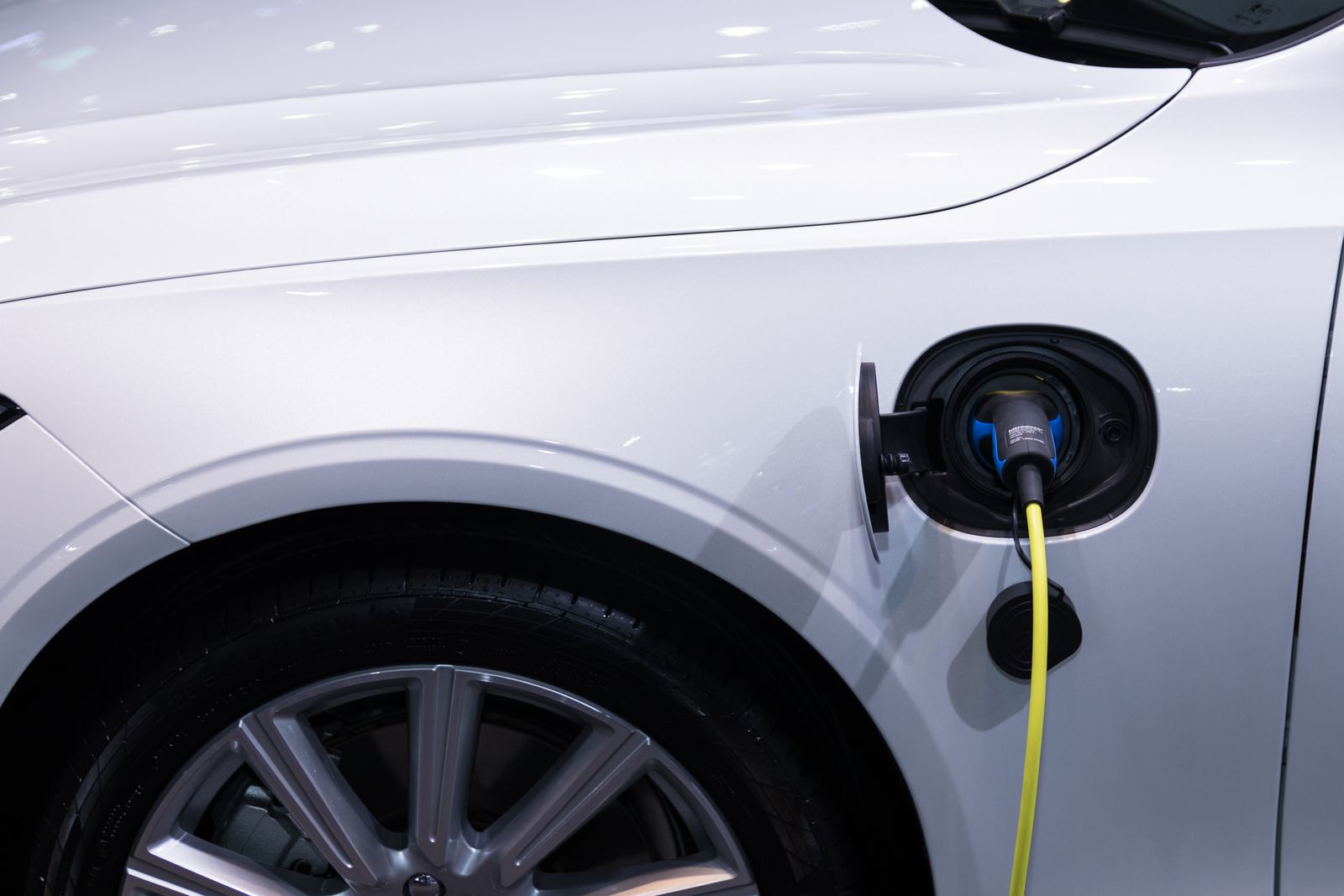
The next five years will do more to shape the electric car than the last fifteen
Between now and 2030, the models arriving are not just more EVs; they are the second and third generations of the idea, spread across segments that were once the preserve of petrol. Hot saloons, luxury SUVs, lightweight sports cars and family crossovers are all getting the electric treatment, and the technical ambition has shifted up a gear.
Charging architectures are moving to 800 volts, batteries are creeping past 100 kWh, and performance figures that once belonged to supercars are turning up in mid-size SUVs. At the same time, the wave is not arriving on schedule. Tariffs, platform sharing and shifting demand are all leaving fingerprints on launch dates. Here is what has been confirmed, and how the next generation of electric cars is shaping up.
BMW i3 (late 2026)
The electric 3-Series is the model that brings BMW’s Neue Klasse technology into the mainstream. It arrives late in 2026 on the Neue Klasse platform shared with the iX3 SUV, wearing the same new design language. The hardware is serious: a 109 kWh battery said to deliver an estimated 440 miles of range, and fast charging at rates up to 400 kW.
Launch specification is a single trim, the 50 xDrive, with 463 hp and 476 lb-ft (645 Nm) sent to all four wheels. Inside, there is a thin display running along the base of the windscreen and a trapezoidal central touchscreen. The Neue Klasse has already reached the heart of BMW’s line-up in combustion form, and the New BMW 3 Series (G50) Revealed: UK Pricing, Specs and January 2027 Arrival shows how the eighth-generation car has adopted the same design and technology, notably without a diesel option.
Bentley Torcal (early 2027)
Bentley’s first EV is a muscular SUV called the Torcal, slotting below the petrol Bentayga. It shares its platform with the Porsche Cayenne Electric, and the numbers are not subtle: dual-motor all-wheel drive, up to 876 hp and 996 lb-ft (1,350 Nm) of torque, making it the most powerful and quickest production Bentley ever built. The 0-60 mph sprint takes 2.8 seconds, a figure quoted to US convention.
Range is quoted at around 320 miles, with a peak charge rate of 400 kW. For a brand built on grand touring, that combination of range and charging speed matters more than the drag strip figure. Sales begin in the US in early 2027, priced below the Bentayga.
BMW iM3 (2027)
The first electric M3 is spawned from the i3 and rides on BMW’s next-generation EV platform with an 800-volt architecture. A quad-motor powertrain, two motors per axle, should produce well over 600 hp. The front motors can be decoupled, which BMW says aids motorway range.
Purists will have opinions about the rest. BMW plans synthesised gearshifts and engine noises, sampling sounds from the E92 M3’s V8 through to the E64 M6’s 5.0-litre V10. The Concept M Neue Klasse previews the production car’s styling. Whether the theatre convinces is another matter, but the performance will not be in question.
BMW iX4 (2027)
The iX4 is the electric replacement for the X4, the sleeker, sloping-roof alternative to the X3. It will come exclusively with electric powertrains and is closely related to the iX3, which goes on sale in 2026. An M-branded performance variant is expected.
Production is rumoured to begin in November 2026, with US sales kicking off in 2027. For buyers who want the crossover silhouette without the combustion engine, this is the one to watch.
BMW iX5 (Q1 2027)
The iX5 is the electric counterpart to the mid-size X5 SUV. It shares its Neue Klasse look with the petrol X5 but uses an updated version of the existing CLAR platform found under the X5 and iX, rather than the dedicated electric architecture of the i3 and iX3. Initially it will be offered with just one trim.
That platform decision is telling. BMW is keeping the iX5 close enough to its combustion sibling that production can flex with demand.
Audi TT EV (2027)
Audi’s reborn TT is arguably the most anticipated sports car on this list. Previewed by the radical Concept C, it will be roughly the same length as a Porsche 911 and will sit between the old TT and the R8 in performance terms. It also ushers in a new design language for the brand.
The interior marks a deliberate retreat from screen overload. Physical controls return, and the central display can tuck away entirely. The concept is rear-wheel drive and is said to weigh 1,690 kg, with Audi having confirmed that a dual-motor, all-wheel-drive variant will follow. Underneath, it is expected to share a platform with the upcoming Porsche 718 EV, which should make for interesting comparisons when both arrive.

Alfa Romeo Stelvio EV (2029)
Alfa Romeo’s electric Stelvio has slipped significantly, with the SUV now expected in 2029. When it does arrive, it will ride on the STLA Large platform, the same architecture that will underpin a range of Stellantis models. Crucially, that platform has been engineered to accept both electric and hybrid powertrains, a flexibility that says plenty about how cautiously manufacturers are treating the transition.
For Alfa, the delay is a frustration. The brand has been vocal about going electric, but the Stelvio is a volume model and getting it wrong would be costly. Expect the electric version to sit alongside hybrid variants rather than replace them outright.
Alpine’s electric expansion (2030)
Alpine, Renault’s lightweight sports car subsidiary, has been planning an electric future built around the A390 fastback crossover and a replacement for the A110. The A390 was originally slated for a 2027 launch, packing a tri-motor setup good for 470 hp. That timetable has since moved, and the culprit is tariffs.
High tariffs on imported cars introduced by the Trump administration since 2025 have reshaped Alpine’s US plans, pushing its American debut back. It is the US timing that has changed, not the European one. If Alpine does enter the US market, it now intends to do so with the upcoming A110 electric sports car and a larger SUV rather than the A390. It is a reminder that even the most focused performance brands are exposed to trade policy. Closer to home, Renault’s own electric reinvention of its heritage is already taking shape, as seen in the Renault 8 Gordini Concept: Electric Reinvention of a French Rally Icon, which pairs a 270 bhp motor with rear-wheel drive in a deliberate nod to the original.
What it all means
Three themes run through this wave. The first is voltage: 800-volt architectures are becoming the default for anything premium, and the charging speeds they unlock are cutting stop times dramatically. The second is battery size, with 109 kWh packs now realistic in mid-size models and 440 miles of claimed range no longer a novelty.
The third is friction. Schedules are slipping, trade policy is rewriting market plans, and several of these cars will share their underpinnings with combustion models rather than committing to bespoke electric platforms. The direction of travel is not in doubt. What the next five years will decide is not whether electric cars replace petrol ones, but how gracefully the handover happens. On the evidence of this line-up, the hardware is ready. The schedules are another story.





One Comment