What Counts as a Cheap Car?
A decade ago, a new city car for under £10,000 was unremarkable. Today, many mainstream superminis now start north of £18,000 on the road, and some have crept past £20,000 once you add a decent trim and a couple of options. That makes the surviving sub-£20,000 new cars genuinely notable rather than merely affordable.
The used market tells a different story. Depreciation has done its work, and there are thousands of well-built cars at £3,000 to £8,000 that will happily cover 10,000 miles a year. The catch is that this is also where the worst cars hide, because a low price can mask a hard life, a skipped service history or a model with a notorious weak point.
The wider market is shifting too. Petrol cars have slipped below half of global sales for the first time in a century, according to reporting on global powertrain sales data, a milestone that says a lot about where the used market is heading. Electrified cars are now a serious part of the budget conversation rather than a curiosity, and that changes the maths on cheap motoring.
The Best Cheap New Cars on Sale
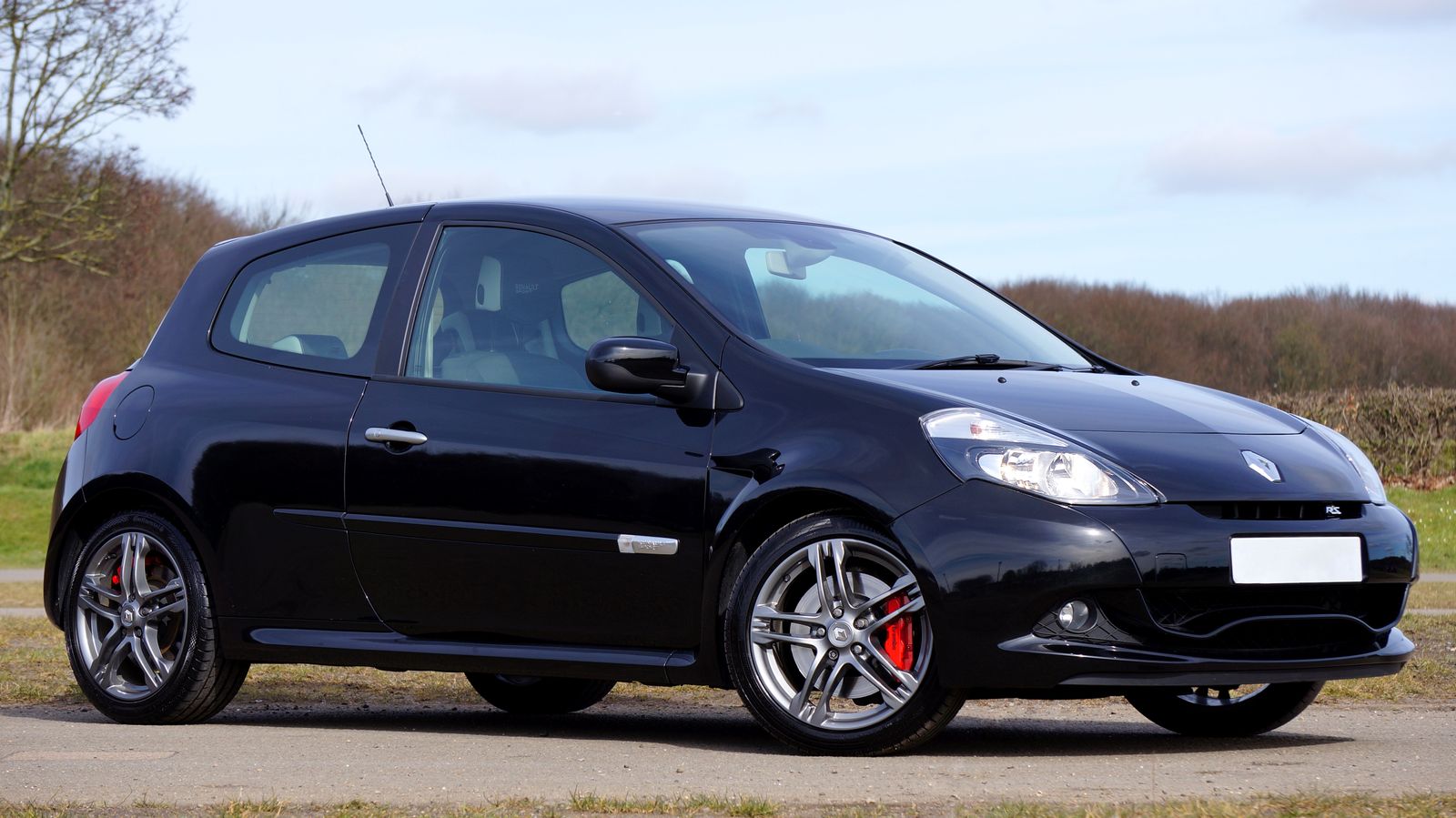
The sub-£20,000 new car market is now dominated by city cars and the entry trims of superminis. The most frugal petrol models can achieve around 60 to 70 mpg on the official combined cycle, though real-world figures will be lower. CO2 figures typically keep them in the lowest or second-lowest VED band for the first year, and insurance groups often sit in the low teens. Equipment is basic but rarely stingy: air conditioning, a touchscreen with smartphone mirroring and autonomous emergency braking are now common even at the bottom of the range.
Finance is where the monthly picture changes. A PCP deal with a healthy deposit contribution can bring a sub-£20,000 car down to a monthly figure that undercuts a used purchase financed on a personal loan, provided you are comfortable with mileage caps and a balloon payment at the end. HP spreads the whole cost but usually at a higher monthly rate. Neither is automatically cheaper, so run both quotes before deciding.
It is also worth watching how quickly the new-car landscape is moving. Design and powertrain updates are arriving thick and fast, as the 2027 Hyundai Tucson revealed: boldest SUV yet gets hybrid power and 50-mile PHEV shows. Cars that look expensive today often filter down to the budget bracket within three or four years.
Best Cheap Used Cars at £3,000, £5,000 and £8,000
At £3,000, you are in proper runaround territory. Think small petrol hatchbacks with simple mechanicals, cheap parts and a big owner community. Prioritise service history over mileage, and favour models with a timing chain rather than a belt if you can. At this price, a well-documented 100,000-mile car usually beats a suspiciously tidy 60,000-mile one.
At £5,000, the choice widens considerably. You can find tidy superminis from the mid-2010s, small estates and even the better end of the city car class. This is the sweet spot for a first car or a second family runabout, and it is where a pre-purchase inspection pays for itself many times over.
At £8,000, you are looking at genuinely modern cars: low-mileage superminis, compact crossovers and efficient diesels suited to longer motorway runs. High-mileage bargains can make sense here too, particularly on models with a reputation for longevity and a strong independent specialist network. A 120,000-mile car with a full history and fresh consumables is often better value than an 80,000-mile car with none.
Running Costs That Decide Whether a Cheap Car Is Truly Cheap
This is where the real money is won and lost.
Insurance. Insurance groups run from 1 to 50, and the difference between group 5 and group 20 can easily be several hundred pounds a year for the same driver. Check the group before you fall in love with the car.
VED road tax. Since the 2017 reforms, most cars pay a standard annual rate, with a premium supplement on list prices above £40,000 when new. Cars registered before March 2001 are taxed on engine size, and some pre-2017 low-CO2 models pay nothing at all. A cheap car in a costly band is not cheap.
Fuel. Official mpg figures flatter everyone. Real-world economy on a small petrol supermini often lands in the mid-40s to low-50s, while a frugal diesel can hold the high 50s on a steady motorway run. Over 10,000 miles a year, that gap is worth hundreds of pounds.
Servicing, tyres and repairs. Expect to budget around £250 to £450 a year for routine servicing at an independent garage, depending on the model. Tyres vary hugely: a common 15-inch size can be £60 to £80 fitted, while an odd low-profile size on a cheap-to-buy but expensive-to-run model can double that. Clutches, water pumps and suspension components are the usual suspects on older cars, and a clutch job can run £500 to £900.

Cheap Electric and Hybrid Cars
Used EV prices have fallen sharply, which means budget electric motoring is now genuinely accessible. The critical check is battery health: ask for a state-of-health report, and be wary of any seller who cannot provide one. Most modern packs degrade slowly, but a car that has spent years on rapid chargers will show it.
Running costs are where EVs shine. Charging at home on a standard overnight tariff costs a fraction of petrol per mile, though public rapid charging can narrow or even erase that advantage. Factor in lower servicing costs, no VED on many older EVs and far fewer moving parts, and the total cost of ownership can be compelling.
Budget hybrids are a different proposition. A conventional hybrid typically beats an equivalent pure petrol car on fuel in town, with no charging requirement and no battery anxiety. If most of your mileage is urban, a hybrid is often the smarter budget buy. The way buyers are approaching these decisions is shifting fast, as this analysis of Nissan Rogue Hybrid Strategy and 2026 Buyer Trends: What UK Drivers Need to Know sets out.
How to Buy a Cheap Car Without Getting Burned
Start with the MOT history. The DVSA’s free online service shows every advisory and failure going back years, and it is the single most revealing document in used car buying. Repeated advisories for corrosion, suspension wear or brake pipes tell you more than any polished advert.
Next, run a history check. An HPI-style report reveals outstanding finance, insurance write-offs, stolen markers and plate changes. Never buy a car with outstanding finance, because the lender’s claim travels with the vehicle, not the seller.
Verify the mileage against MOT records and service stamps. Clocking is less common than it was but far from extinct. Then inspect the car in daylight, on dry ground, with the engine cold. Look for mismatched paint, uneven tyre wear, coolant staining and a seller who is reluctant to let you test drive from cold.
Red flags: no V5C in the seller’s name, pressure to buy today, meeting in a car park, a price well below market, or a seller who cannot explain the service history.
The False Economy Traps to Avoid
Some cheap cars are cheap for a reason. A model with a well-documented engine or gearbox fault can cost more in one repair than the car is worth. High insurance groups, poor parts availability and a thin specialist network all add up.
The counterintuitive lesson is that stretching your budget often saves money. Spending £7,000 instead of £4,000 can put you in a car five years newer with lower insurance, better economy and a warranty. That is not extravagance; it is arithmetic.
Verdict: Choosing the Right Cheap Car
Work out your true annual mileage, get insurance quotes before you buy, check the VED band, and add up servicing and tyres. Then shortlist three models, check MOT histories on all of them, and buy the one with the best evidence rather than the lowest price.
Final checklist: full service history, clean MOT record, no outstanding finance, verified mileage, cold-start test drive, insurance quote in hand, and a pre-purchase inspection on anything above £3,000. Do that, and a cheap car becomes a genuinely cheap car to own.
We covered cheap cars find genuine in more detail elsewhere.