Nissan’s RAV4 trade-in bonus explained
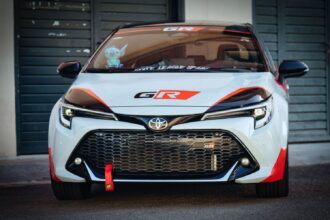
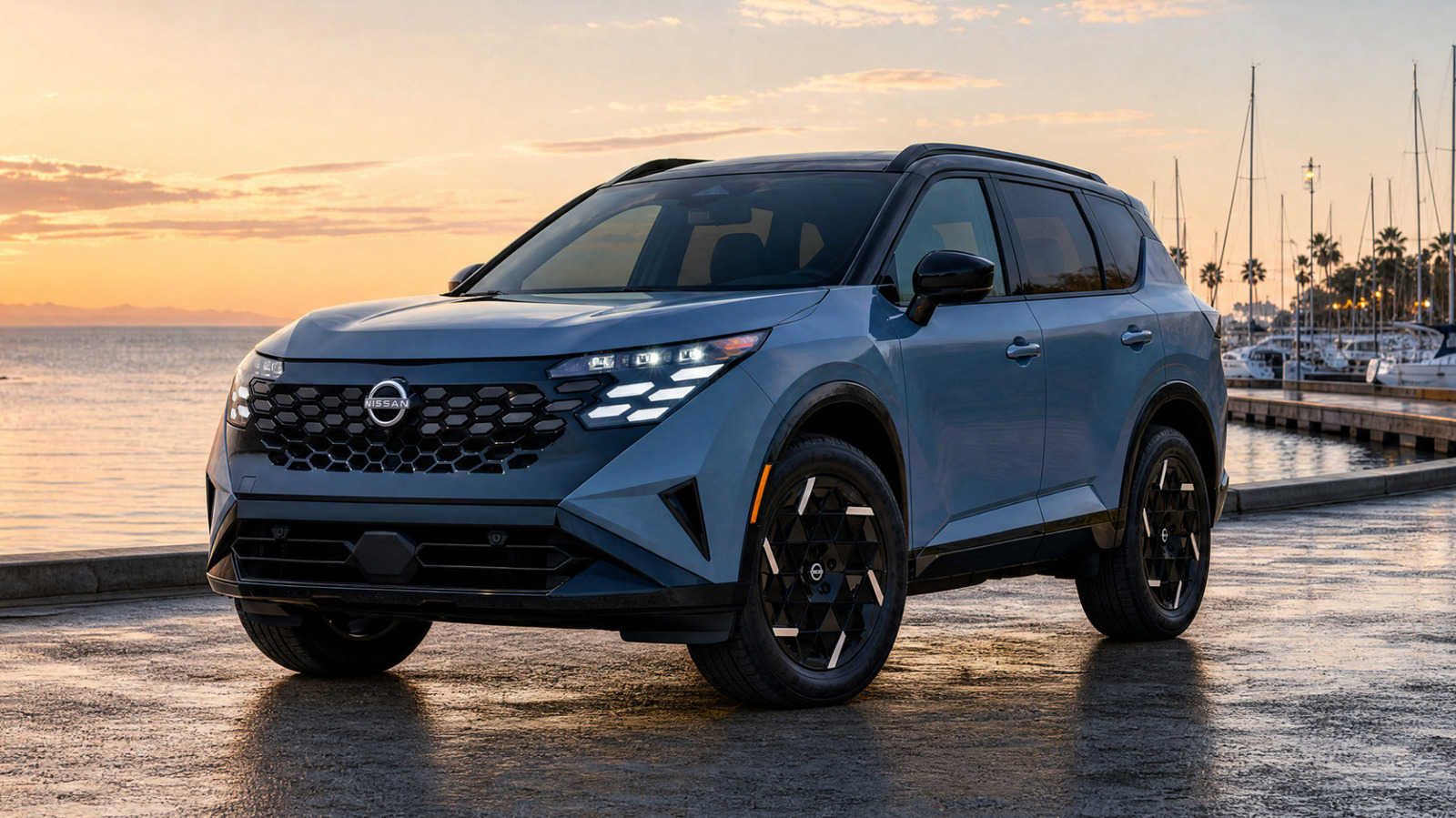
The offer surfaced through a dealer bulletin sent to Nissan retailers, with CarsDirect first to report it. The mechanics are simple: bring in a RAV4 from 2021 or later, buy or lease a new Rogue Hybrid, and Nissan hands over $1,500. No brand loyalty required, no convoluted qualification maze beyond the model year of the car you are parting with.
The timing is deliberate. The bonus opened on 3 November and runs until 4 January 2027, which puts it across the winter sales season when dealers are chasing year-end numbers and buyers are more inclined to sign on the line.
What makes this unusual is the directness. Carmakers routinely offer conquest bonuses, but they are usually buried in regional dealer programmes and phrased vaguely enough to avoid antagonising rivals. Nissan has gone the other way, naming the RAV4 explicitly in a programme built around stealing its owners. That is a statement of intent as much as a discount.
The small print worth knowing
Nissan has kept the conditions tight but not stingy. The RAV4 has to be a 2021-or-newer model, so anyone clinging to an older generation is out of luck. Beyond that, the bonus is transferable to members of the same household, which means a RAV4 registered to a spouse or a grown-up child living at the same address can still unlock the money. That is a sensible bit of flexibility in a market where family cars are often registered in one person’s name and driven by another.
The bonus can also be stacked with Nissan’s other current offers. Those include 4.9% APR finance over 60 months, plus a west-coast lease deal at $439 per month for 36 months, with $4,959 due at signing and a 10,000-mile annual allowance. Those lease terms are US-market figures. Stacking matters here: $1,500 on its own is a decent nudge, but combined with subsidised finance it starts to look like a genuinely competitive package rather than a token gesture.
On the lease side, the mileage cap is worth flagging. Ten thousand miles a year is on the low side for anyone with a serious commute, and exceeding it will eat into the value of the incentive fairly quickly.
Why Nissan is going after the RAV4
Compact crossovers are the second-largest new-car segment in the United States, behind only full-size pickups. Within that segment, the RAV4 is the benchmark, and the sales charts through the third quarter of this year show just how crowded the top of the table is. The Honda CR-V, Toyota RAV4, Tesla Model Y and Nissan Rogue all appeared in the US top ten best-sellers, with the Rogue sitting in tenth.
Tenth is respectable. Tenth is not where Nissan wants to be. When your closest rival is the segment’s reference point, and the two other names in the top ten are also compact crossovers, you either out-engineer the competition or you out-spend it. Nissan appears to be doing a bit of both, pairing a substantially new hybrid system with a cash incentive designed to get RAV4 owners through the door in the first place.
There is history here too. The previous Rogue Hybrid lasted a single model year; launched for 2026, it was a rebadged Mitsubishi Outlander plug-in hybrid. That car was a plug-in hybrid, a shortcut that got Nissan a hybrid SUV onto US dealer forecourts quickly. The 2027 car is a different proposition entirely: a series self-charging hybrid rather than a PHEV. You can read our breakdown of the 2027 Nissan Rogue Hybrid for the full technical picture.
The 2027 Rogue Hybrid, explained
The headline is the drivetrain layout. The Rogue Hybrid uses a series hybrid system that operates primarily as an electric vehicle. A turbocharged 1.5-litre three-cylinder engine is not connected to the wheels at all. Instead, it acts as a generator, charging a 1.67-kWh battery that feeds electric motors on the front and rear axles. All-wheel drive is standard, and the car never needs plugging in.
That is a fundamentally different approach from a conventional parallel hybrid, where the engine can drive the wheels directly at speed. Nissan’s setup keeps the engine in its most efficient operating window and lets the motors do the work, which is why the car feels more EV-like than its fuel economy figures might suggest. Performance is brisk for the class: 0 to 60 mph in 6.4 seconds.
For anyone weighing up the electric side of the argument, our RAV4 Plug-in Hybrid long-term test shows what the plug-in alternative delivers over months rather than a launch afternoon. The Rogue Hybrid is not chasing that brief. It is a self-charging hybrid aimed at people who want better economy without a charging cable.
Fuel economy: the RAV4 still has the edge
Here is where the pitch gets harder. The 2027 Rogue Hybrid is rated at 41 mpg city, 36 mpg highway and 38 mpg combined on US EPA test cycles. The RAV4 hybrid is slightly better on all three counts. Not dramatically, but enough that a buyer comparing spec sheets line by line will notice. Those are US figures and are not directly comparable with UK WLTP economy claims.
That gap explains the $1,500. Nissan cannot win this fight on the numbers alone, so it is buying itself a hearing. Whether that works depends on how the cars feel from behind the wheel, and that is where the early verdicts get interesting.
First impressions favour the Rogue’s cabin
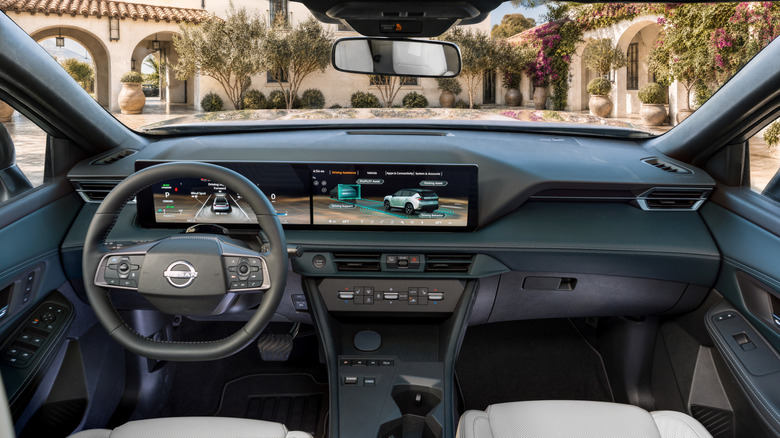
Jalopnik’s Andy Kalmowitz drove the Rogue Hybrid at the first drive event in Santa Barbara, California, late last month, and came away preferring it to the new Toyota RAV4 hybrid. His reason was specific: a more comfortable and luxurious interior.
That is a meaningful data point. Fuel economy figures are easy to publish and easy to compare, but most buyers spend their time inside the car, not studying the window sticker. If the Rogue’s cabin genuinely feels a class above, the 38 mpg combined figure becomes a much smaller objection than it looks on paper. Nissan is clearly betting that people who drive both will side with its interior, and the incentive exists to make sure they actually drive both.
Nissan has often emphasised comfort and usability in its family models, and this Rogue continues that approach.
What it means for buyers
This is a US-only promotion, and the Rogue has not been sold in the UK, which makes a direct repeat unlikely in the near term.
What the incentive does signal is the temperature of the compact hybrid crossover market. When a manufacturer names a rival model in a dealer bulletin and attaches cash to it, the segment has moved past gentle competition. Nissan has a genuinely different powertrain, a cabin that early reviewers rate highly, and a fuel economy deficit small enough to argue about. What it does not have is the RAV4’s sales momentum, so it is paying $1,500 a car to borrow some of it.
The offer closes on 4 January 2027. For a US buyer running a 2021-or-newer RAV4, that is a four-figure sum for a test drive they were probably going to take anyway. For everyone else, it is a clear look at how hard Nissan is willing to fight for a segment it currently sits tenth in.