
There is a particular kind of itch that only a map can scratch. A century or so after the automobile first rumbled into the world’s consciousness, cars have touched almost every corner of the planet, bar a few genuinely desolate stretches where the roads simply run out. Yet certain places still hold their power. Not because they are hard to reach in the absolute sense, but because they demand something from you: time, money, planning, a willingness to point the car at a mountain and keep going.
That is the nature of an automotive bucket list. It is not a shopping list of cars. It is a list of places that exist because of cars, and which reward the effort of getting there. Which one is still on yours, and what exactly is standing in the way?
The Alpine classics: Stelvio and Gotthard
No conversation about driving pilgrimage gets far without the Stelvio Pass. The ribbon-like roads that climb and descend its flanks, the stacked hairpins, the way the scenery shifts through mountain gradations as you gain altitude: it has become the benchmark against which other driving roads are judged, and it earned that status partly on merit and partly on television.
The Stelvio’s place in British motoring folklore owes a great deal to Top Gear. Jeremy Clarkson, driving a Lamborghini Gallardo Superleggera through the Alps, delivered the line that effectively sealed the pass’s reputation shortly before tackling Stelvio itself. The same presenting team later returned to the region for The Grand Tour, this time taking on the Gotthard Pass in Switzerland, Stelvio’s natural companion. Together they form what is often described as one of the most beautiful driving routes in the world.
Worth being honest about: much of this reputation is inherited rather than personally verified. Plenty of enthusiasts know a single motorway corridor intimately and nothing beyond it, or have spent years reading about these roads without ever pointing a car at one. The Stelvio remains, for many, an ambition rather than a memory. That is precisely the point of a bucket list.
Beyond the Alps: other European driving roads worth the trip
The Alps do not have a monopoly on this. Romania’s Transfăgărășan, carved through the Carpathians and open only in the warmer months, offers a drama all of its own, with long viaduct stretches and a summit tunnel that feels like an achievement every time. Austria’s Grossglockner High Alpine Road is a toll route in the truest sense: you pay, and you get a properly engineered mountain experience with Austria’s highest peak as the backdrop. Both are seasonal propositions, typically clear of snow from late spring into early autumn, and both reward an early start before the tour buses arrive.
Closer to home, the North Coast 500 has become the UK’s answer to the great driving route, a loop around the Scottish Highlands that has done for Scottish tourism roughly what the Stelvio did for Alpine postcards. It is not a road for chasing lap times. It is a road for empty glens, single-track passing places and the realisation that you have packed far too much for a car with a modest boot.
Then there is Germany’s Black Forest, where the B500 runs through well-surfaced, gently curving asphalt through dense pine. It is less dramatic than the high passes and considerably more usable, which is arguably its appeal. A rear-wheel-drive sports car with a modest amount of power is more fun here than anything with a big wing and stiff springs.
Tracks and museums: motorsport’s cathedrals
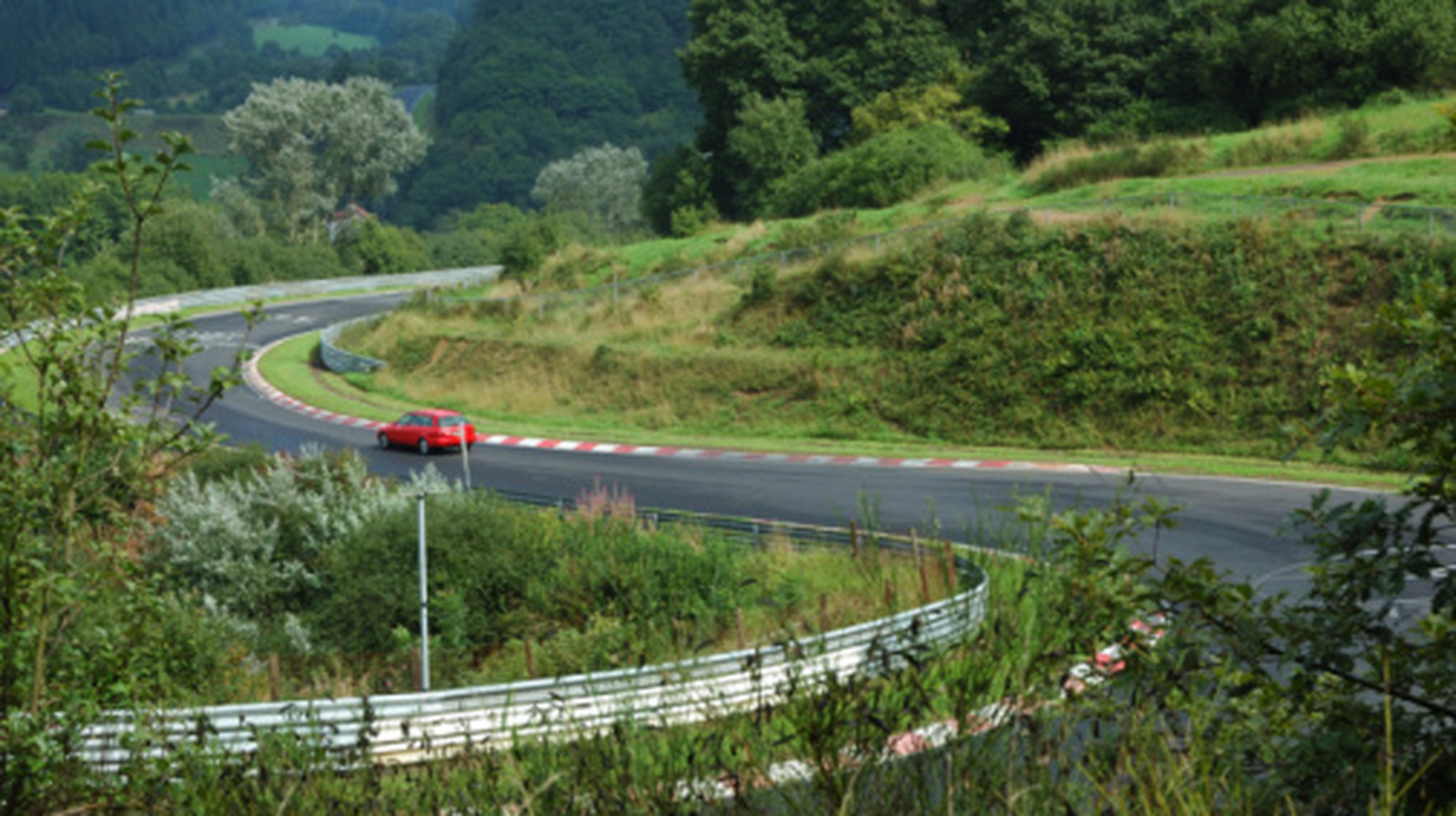
For some, the pilgrimage is not a road at all. The Nürburgring Nordschleife remains the ultimate test of both car and driver, a circuit through the Eifel mountains that has been terrifying and humbling people for decades. Spa-Francorchamps, Le Mans and Goodwood complete the European set, each with its own character: Spa for elevation and weather that changes by the corner, Le Mans for the sheer scale of the place, Goodwood for the way it makes motorsport feel like a garden party.
The museum side of the list is just as compelling. The Porsche Museum and the Mercedes-Benz Museum are the two obvious German stops, and both are within a sensible drive of each other. Italy answers with the Ferrari Museums, two separate sites that together tell the story of the marque across road cars and racing. In Britain, the British Motor Museum at Gaydon is an easy day out for anyone who has ever owned something with a leaky sunroof and a soul.
Gatherings and events: where car culture comes together
Events have a way of turning a destination into a date in the diary. The Goodwood Festival of Speed and Revival are major fixtures on the British calendar, one for contemporary machinery and the other for period dress and pre-war racing. Across the Atlantic, Monterey Car Week is a highlight of the American calendar, a gathering that has become as much about the people as the cars. Le Mans Classic brings historic racing to the Circuit de la Sarthe.
The calendar is also shifting. Electric vehicle festivals have moved from niche curiosity to genuine fixture, reflecting a market that is changing quickly, and that change is starting to show up in where enthusiasts choose to go and what they choose to drive there.
The obstacles: cost, time, logistics and the changing landscape
So why do these trips stay on the list rather than in the photo album? Cost is the obvious answer. Ferry crossings, the Channel Tunnel, fuel, tolls, accommodation and the small matter of taking time off work all add up, and the pressure on the global economy, and the near-oil-crisis that saw Texas declare a statewide disaster, has made a lot of people think harder about discretionary spending. There is also the simple friction of logistics: booking, planning, convincing a partner or a friend that four days of mountain hairpins constitutes a holiday.
The landscape is changing too, in ways that cut both ways. Electrification has introduced a new planning layer to the long road trip, but it has also opened up routes that were previously awkward. Charging infrastructure continues to develop, and a modern EV with a realistic long-distance range can now manage an Alpine pass with a bit of forethought. The trade-off is that you plan around chargers rather than around petrol stations, which for some is a dealbreaker and for others is simply a different kind of road trip.
There is also the quieter obstacle: the sense that these places will always be there. They mostly will. But the clock is always ticking, and a bucket list that never gets started is just a list.
What’s on your list?
That is the question worth sitting with. Is it the Stelvio, with its stacked hairpins and its television heritage? The Nordschleife, green and unforgiving? A weekend at Goodwood, or a week in Monterey? A museum you have driven past a dozen times without going in?
Whatever it is, the reasons it captivates you are probably the same reasons it has not happened yet. Distance, cost, timing, the vague assumption that there will be a better year for it. Share your own automotive pilgrimage, and what is standing in the way, because the answer is often more interesting than the destination itself.
We covered came room 50th automotive in more detail elsewhere.
We covered alfa romeo greatest hits in more detail elsewhere.





One Comment