
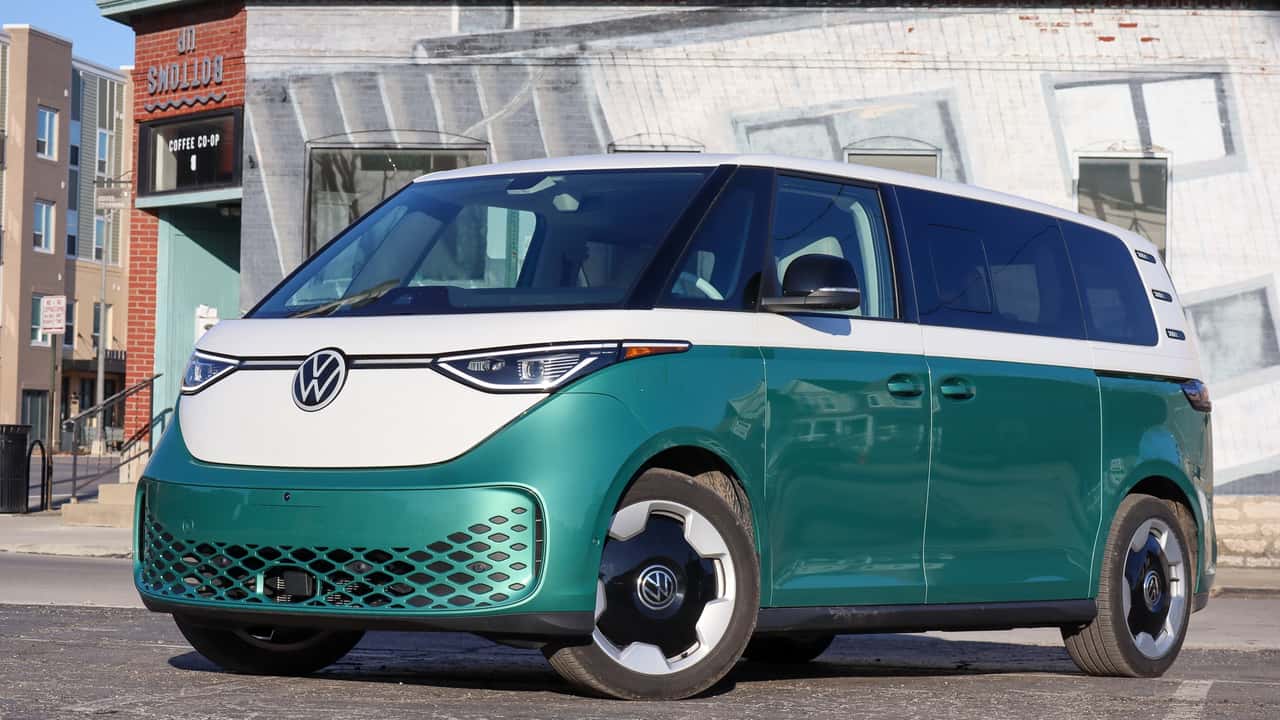
The Volkswagen ID. Buzz was supposed to be the feel-good story of VW’s electric era. A retro-modern reincarnation of the beloved Microbus, it promised nostalgia, practicality, and a bold statement about where the brand was headed. Instead, it has become a case study in how quickly momentum can evaporate in the US EV market.
On September 24, Volkswagen informed its US dealers that the ID. Buzz’s return has been pushed back yet again, this time to the 2028 model year. It is the second major delay for the electric van. VW had already skipped the 2026 model year and planned to move straight to 2027. Now that plan has been abandoned too.
For a vehicle once positioned as a halo product, the pattern is hard to ignore. And it raises a bigger question: what does the ID. Buzz’s troubled US journey say about Volkswagen’s broader electric strategy?
Key facts at a glance
- Current status: ID. Buzz delayed for a second time, now targeting the 2028 model year
- Previous plan: Skip 2026, launch for 2027
- Starting price: Around $60,000
- EPA-rated range: Up to 234 miles
- Federal EV tax credit: Not eligible (van is built in Germany)
- US sales last year: 6,140 units
- Confirmed 2028 upgrades: NACS charging port, bidirectional charging, digital key
A Timeline of Delays
The ID. Buzz first went on sale in the US in 2024, arriving with considerable fanfare. Here was a van with genuine personality, something the EV segment desperately lacked. But almost immediately, the business case started to fray.
The decision to skip 2026 and target 2027 was framed as a way to consolidate updates into a single launch. Now that 2027 has also been scrapped, the same logic is being applied again. A Volkswagen spokesperson told InsideEVs: “The ID. Buzz remains an important part of the Volkswagen of America portfolio, and we are committed to its future in the U.S. market.” The company added that the consolidated approach “allows us to introduce a broader range of customer-focused enhancements in a single launch.”
That may be true. It is also the kind of statement that sounds reassuring until you notice the company has now made it twice.
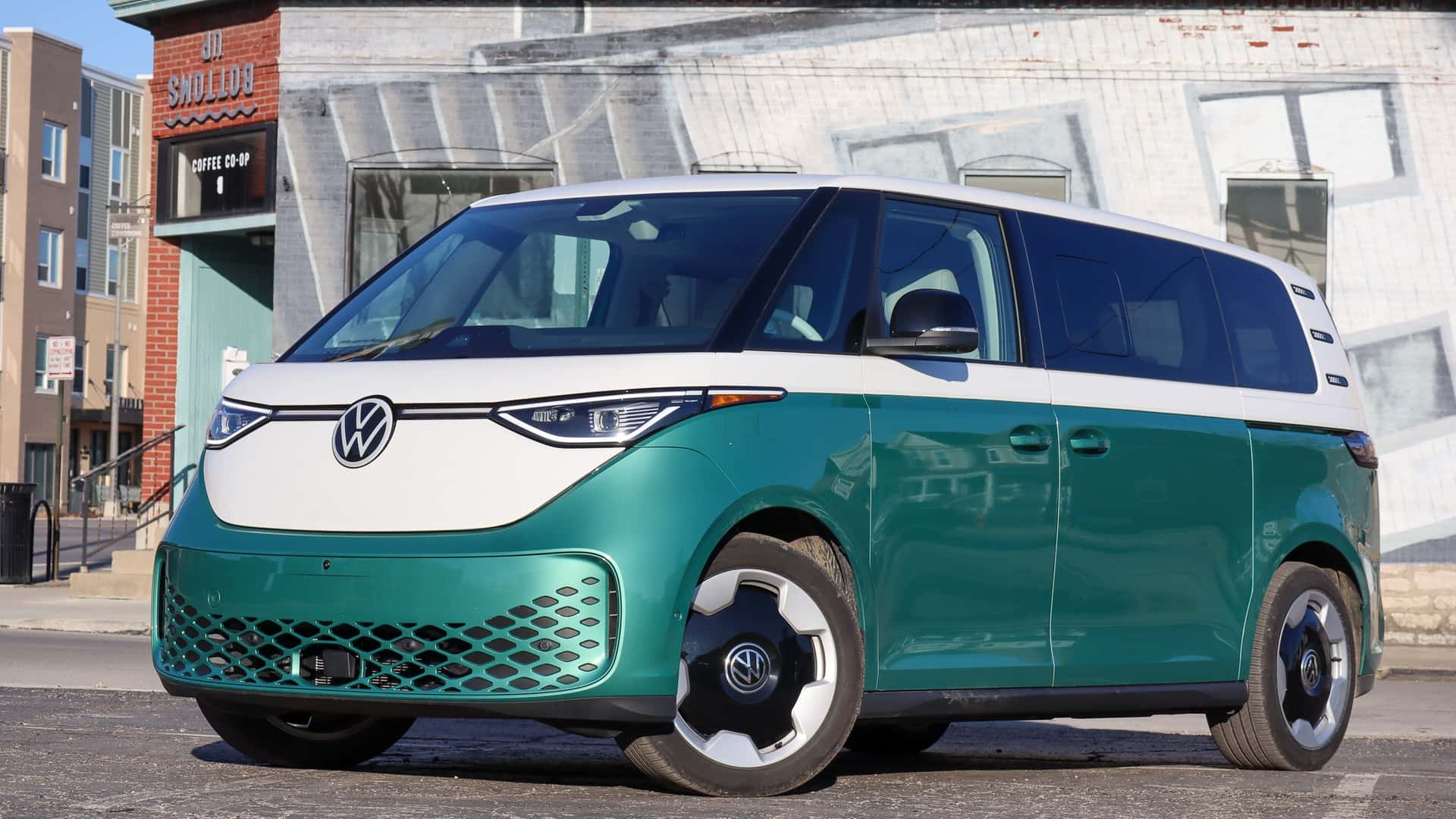
Why the ID. Buzz Keeps Getting Delayed
The van ran into a perfect storm of structural and market problems, none of which were entirely within Volkswagen’s control.
First, because the ID. Buzz is built in Germany, it never qualified for the $7,500 federal EV tax credit. That instantly put it at a pricing disadvantage against domestically produced competitors. Second, it was exposed to Trump administration tariffs on European cars, which added further cost pressure. Third, the van was hit by two stop-sale orders that disrupted its US rollout at critical moments.
On top of all that, it arrived in a chaotic EV market where demand had cooled considerably from the heady projections of a few years earlier. The result was a vehicle with a compelling story and a difficult spreadsheet.
Sales and Pricing Reality Check
The numbers tell the story bluntly. The ID. Buzz starts at around $60,000, offers up to 234 miles of EPA-rated range, and managed just 6,140 US sales last year. That range figure is the core problem. The Kia EV9 and Hyundai IONIQ 9, both three-row electric family haulers, deliver 300 or more miles of range, often at comparable or lower prices. Stack those against the ID. Buzz range and price, and the value case gets harder to make.
The 6,140-unit sales total also left dealers with excess inventory. As of now, Cars.com lists only 38 new 2025 ID. Buzz models available nationwide. That scarcity reflects weak sell-through, not overwhelming demand.
For shoppers weighing their options, the calculus has shifted. New car prices have climbed for years, and the average transaction price for a fresh set of wheels can cause genuine sticker shock. Buyers willing to look beyond the showroom floor will find the used market packed with compelling opportunities, and the same holds true for shoppers comparing the ID. Buzz against three-row electric rivals like the EV9 and IONIQ 9 before committing to either.
What the 2028 ID. Buzz Will Bring
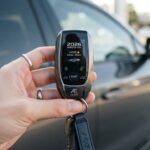
The silver lining, if there is one, is that the 2028 model will arrive with meaningful upgrades. Volkswagen has confirmed the delayed van will include a NACS (Tesla-style) charging port from the factory, bidirectional charging capability, and digital key access.
Those features address real pain points. Native NACS access means ID. Buzz owners will be able to plug directly into Tesla’s Supercharger network without an adapter, a significant quality-of-life improvement. Bidirectional charging opens the door to vehicle-to-home and vehicle-to-load applications, which are genuinely useful for a van marketed around adventure and family life.
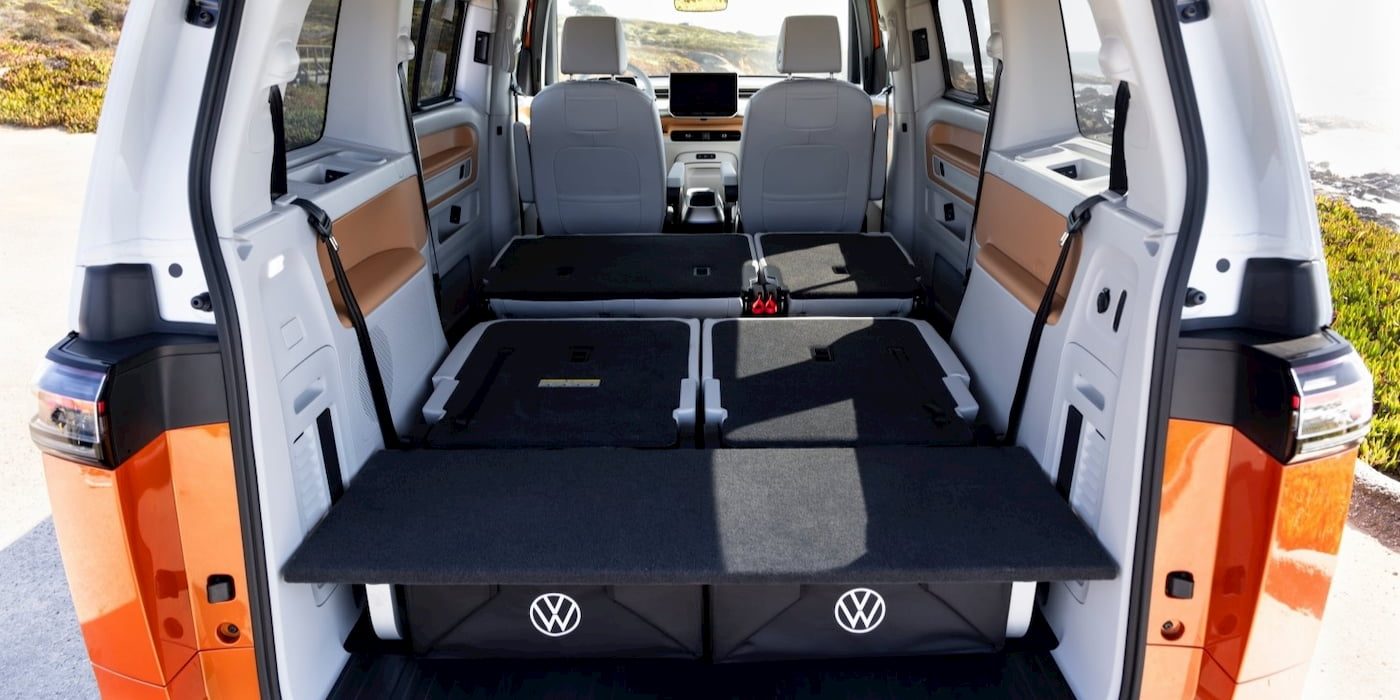
Previously announced updates for the 2027 model are now folded into the 2028 launch. Those include two new trims, revised software, updated wheel and color options, and a camping-focused Tourer model designed for overnight stays. The Tourer, in particular, leans into the ID. Buzz’s strongest asset: its identity as a lifestyle vehicle rather than just transportation.
Volkswagen’s Broader US EV Strategy
The ID. Buzz is not an isolated case. The ID.4, VW’s volume electric crossover, is also skipping the 2027 model year as the company revamps its lineup. In April, Volkswagen stopped making the ID.4 at its Tennessee plant and shifted that capacity toward higher-volume gas SUVs. The VW ID.4 2027 gap leaves the brand’s electric crossover lineup without a fresh entry for that model year.
The backdrop here matters. Federal EV tax credits have ended, and fuel economy regulations have been loosened, reducing the regulatory pressure that once pushed automakers toward electrification. In that environment, Volkswagen is reallocating resources toward products that sell in volume today, not products that might sell in volume tomorrow.
Back in December, Jeannine Ginivan, Volkswagen Group of America’s VP and chief communications officer, insisted: “Volkswagen is not canceling the ID. Buzz for the US market,” adding that the company had “sufficient inventory” of 2026 models to sell. That inventory, it seems, is doing a lot of the heavy lifting while the next-generation van waits in the wings.
What This Means for EV Buyers and Dealers
For dealers, the situation is awkward. They are being asked to sell a flagship EV with limited inventory, no tax credit, tariff-driven pricing pressure, and a replacement that keeps receding into the future. A nationwide listing count of 38 new 2025 models is a trickle, not a healthy pipeline.
For buyers, the delay cuts both ways. On one hand, anyone holding out for a factory NACS port, bidirectional charging, and the Tourer trim will have to wait until 2028. On the other hand, the current ID. Buzz is a genuinely distinctive vehicle, and dealers sitting on excess inventory may be more willing to negotiate than they were a year ago.
The larger takeaway is about commitment. Volkswagen has now pushed the ID. Buzz’s US return back twice, paused the ID.4’s 2027 model year, and redirected production capacity toward gas SUVs. Those are rational business decisions in a difficult market. They also send a signal about how the company is prioritizing electrification in the US.
The Road Ahead
The ID. Buzz was never going to be a volume seller. It was meant to be a statement, a rolling piece of brand marketing that happened to have sliding doors and a plug. Delays and soft sales do not erase the affection many shoppers feel for it, but they do complicate the narrative VW wants to tell.
When the 2028 model finally arrives, it will land in a very different market than the one the original van was designed for. Whether it arrives as a renewed halo or a quiet footnote will depend on how seriously Volkswagen commits to the US EV story in the meantime. For now, the ID. Buzz remains a promise deferred, and a reminder that even the most charming electric vehicles still have to make business sense.




One Comment